Understanding Property Taxes for DFW Homeowners: A Complete Guide
Learn how property taxes work across Dallas-Fort Worth neighborhoods and what to expect as a homeowner.

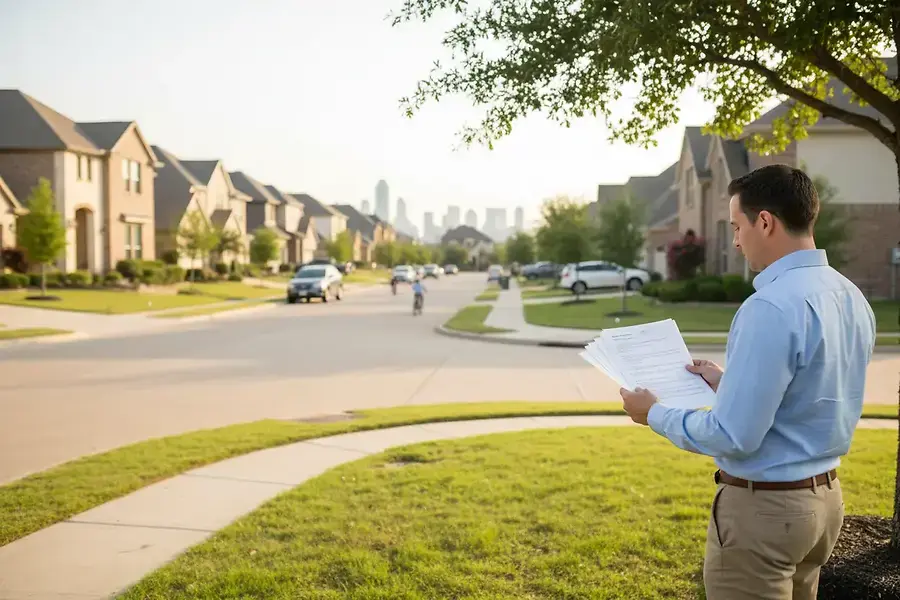
Why Property Taxes Matter for DFW Homeowners
Property taxes are one of the largest ongoing expenses for homeowners in the Dallas-Fort Worth area. Unlike mortgage payments that eventually end, property taxes continue for as long as you own your home. Understanding how these taxes work is essential for budgeting, making informed purchasing decisions, and identifying opportunities to reduce your tax burden.
For DFW residents, property taxes fund critical services including schools, infrastructure, emergency services, and local government operations. The Dallas-Fort Worth metroplex has experienced significant growth, which has made property tax education increasingly important for both new and existing homeowners.
How Property Taxes Are Calculated in Texas and the DFW Area
The Basic Formula
Property taxes in Texas are calculated using a straightforward formula: Appraised Value × Tax Rate = Annual Property Tax. However, understanding each component is crucial for homeowners.
Property Appraisal
The first step involves determining your property's appraised value. The Appraisal District in your county assesses all properties to establish their market value. This appraisal is typically not the same as your home's purchase price or current market value. Appraisals are updated regularly, and homeowners have the right to challenge their appraisal if they believe it's inaccurate.
Tax Rates and Exemptions
Once the appraised value is determined, local tax rates are applied. In Texas, homeowners benefit from the homestead exemption, which reduces the taxable value of your primary residence. This exemption typically reduces your property's taxable value by 20%, providing significant savings for homeowners.
Additionally, Texas offers a property tax cap for homestead properties. If your home's appraised value increases, your tax bill cannot increase by more than 10% annually, regardless of how much your property's value has risen.
Property Tax Rates Across Different DFW Communities: What Varies and Why
Understanding Rate Variations
Property tax rates vary significantly across DFW communities. While Texas has a statewide average, individual cities, school districts, and counties set their own rates. A home in one neighborhood might have a substantially different tax bill than an identical home in another area.
School District Impact
School districts represent the largest portion of property tax bills in most DFW areas, often accounting for 40-50% of your total tax burden. High-performing school districts typically have higher tax rates, which is why homes in these areas often command premium prices despite higher property taxes.
City and County Variations
Different cities and counties within DFW have varying tax rates based on their local needs and services. Some communities invest heavily in infrastructure and amenities, resulting in higher rates. Others maintain lower rates through different budgeting approaches. When considering a home purchase, it's essential to research the specific tax rates in your target neighborhood.
Special Districts and Assessments
Some properties fall within special tax districts that fund specific services like water management, flood control, or infrastructure improvements. These can add to your overall tax burden and should be factored into your homeownership costs.
Strategies for Managing Your Property Tax Burden and Available Exemptions
Maximize Available Exemptions
Beyond the standard homestead exemption, Texas offers additional exemptions for specific situations:
- Over 65 Exemption: Homeowners age 65 and older can claim an additional exemption on their primary residence
- Disability Exemption: Disabled homeowners and disabled veterans may qualify for exemptions
- Agricultural Exemption: Properties used for agricultural purposes may qualify for reduced valuations
Challenge Your Appraisal
If you believe your property has been over-appraised, you have the right to challenge the appraisal. The appraisal review board process is relatively straightforward and can result in significant tax savings. Many homeowners successfully reduce their tax bills by providing evidence of comparable sales or property conditions that justify a lower valuation.
Monitor Your Assessment
Review your property tax statement annually. Look for errors in property characteristics, square footage, or lot size. Simple mistakes in the appraisal records can inflate your tax bill unnecessarily. Correcting these errors can lead to immediate savings.
Consider Tax-Efficient Purchasing
When buying a home in DFW, factor property taxes into your decision. A less expensive home in a high-tax area might result in similar or higher annual costs than a more expensive home in a lower-tax community. Use online tax calculators to compare potential tax bills across different neighborhoods.
Work with Professionals
Real estate agents, tax professionals, and property tax consultants can provide valuable guidance. Some specialize in property tax reduction and can help identify opportunities you might miss on your own.
Making Informed Decisions About Your DFW Home Investment
Property taxes are a permanent part of homeownership in the Dallas-Fort Worth area, but they don't have to be a mystery. By understanding how they're calculated, recognizing variations across communities, and implementing strategies to manage your burden, you can make more informed decisions about your home investment.
Whether you're a first-time homebuyer or an experienced property owner, taking time to understand your property taxes can result in significant long-term savings. Research your specific community's rates, explore available exemptions, and don't hesitate to challenge appraisals if warranted. Your proactive approach to property tax management will pay dividends throughout your homeownership journey in DFW.