Understanding Property Taxes in Alamance, Durham, and Wake Forest NC
Learn how property tax rates vary between NC Triangle communities and what this means for your home investment.

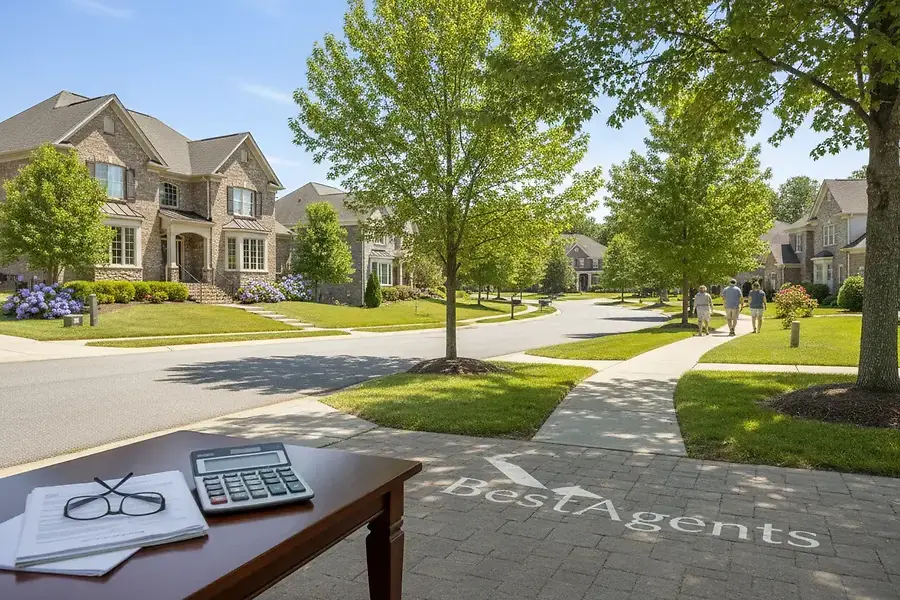
Why Property Taxes Matter When Buying in the NC Triangle
When purchasing a home in North Carolina's Triangle region, most buyers focus on the purchase price and mortgage rates. However, property taxes are a critical factor that directly impacts your long-term homeownership costs. Property taxes vary significantly across different communities in the Triangle, and understanding these differences can save you thousands of dollars over the life of your mortgage.
Property taxes fund essential local services including schools, infrastructure, emergency services, and community development. In the NC Triangle—which includes Alamance, Durham, and Wake Forest—these rates can differ substantially from one community to another. A home valued at $300,000 could have vastly different annual tax obligations depending on which county or municipality it's located in.
Before making your home purchase decision, it's essential to understand how property taxes are calculated, what rates apply in your target community, and how these costs will affect your overall housing budget.
Property Tax Rates Comparison Across Seven Local Communities
Understanding North Carolina Property Tax Rates
In North Carolina, property taxes are assessed at the county level, with rates expressed as a percentage of the property's assessed value. The state allows counties to set their own tax rates, which is why you'll see variation across the Triangle region.
Alamance County Property Taxes
Alamance County maintains one of the more moderate property tax rates in the region. The county tax rate typically hovers around 0.58% of assessed property value, making it competitive for homebuyers looking to minimize tax burden. Additionally, Alamance offers various exemptions for seniors, disabled individuals, and veterans, which can further reduce tax obligations.
Durham County Property Taxes
Durham County's property tax rate is generally higher than Alamance, typically ranging around 0.68% of assessed value. This higher rate reflects Durham's investment in education, infrastructure, and economic development initiatives. However, Durham's strong job market and growing economy often offset the higher tax burden for many residents.
Wake County Property Taxes
Wake County, which includes Wake Forest and Raleigh, typically has a property tax rate of approximately 0.65% of assessed value. Wake County's rates fall between Alamance and Durham, offering a middle ground for homebuyers. The county's strong schools and robust economic growth make it an attractive option despite moderate tax rates.
What These Rates Mean in Practice
Consider a practical example: A $350,000 home would have the following estimated annual property taxes:
- Alamance County: Approximately $2,030 annually
- Durham County: Approximately $2,380 annually
- Wake County: Approximately $2,275 annually
While these differences might seem modest on an annual basis, over a 30-year mortgage, they represent significant variations in total homeownership costs.
How Property Taxes Impact Your Monthly Mortgage Payment and Long-Term Costs
Property Taxes and Your Escrow Account
Most homeowners with mortgages pay property taxes through an escrow account managed by their lender. Your monthly mortgage payment typically includes four components: principal, interest, taxes, and insurance (PITI). Property taxes are collected monthly and held in escrow until they're due to the county.
This means that choosing a home in a lower-tax community directly reduces your monthly housing payment. A difference of $350 annually in property taxes translates to approximately $29 per month in your mortgage payment.
Long-Term Financial Impact
Over the life of a 30-year mortgage, property tax differences become substantial. The $350 annual difference between Alamance and Durham counties compounds to over $10,500 in additional taxes paid over three decades—not accounting for potential tax increases.
Additionally, property taxes typically increase over time as property values appreciate and local governments adjust tax rates. A community with a lower starting tax rate may remain more affordable throughout your homeownership journey.
Factors That Influence Property Tax Rates
Property tax rates aren't arbitrary—they're driven by several factors:
- School funding needs: Communities investing heavily in education often have higher tax rates
- Infrastructure development: Growing areas may increase taxes to fund roads, utilities, and services
- Local government spending: Each municipality determines its budget and sets tax rates accordingly
- Property values: As home values increase, assessed values may rise, affecting tax bills
- Economic conditions: Recession or economic growth can influence local tax policy
Tax Exemptions and Relief Programs
Don't overlook available tax relief options. Many North Carolina communities offer:
- Homestead exemptions for primary residences
- Senior citizen property tax deferral programs
- Disabled person exemptions
- Veteran property tax exemptions
- Agricultural use exemptions
Research what programs apply to your situation—you could qualify for significant savings.
Making an Informed Decision About Your NC Triangle Home Purchase
Property taxes should be one of several factors in your home-buying decision. While Alamance County offers lower tax rates, Durham and Wake County provide other advantages like stronger job markets, excellent schools, and vibrant communities.
The "best" choice depends on balancing tax considerations with your lifestyle, career, and long-term goals.
When evaluating homes in the NC Triangle, take time to:
- Calculate estimated annual property taxes for each property you're considering
- Factor property taxes into your total housing budget
- Research local tax exemptions and relief programs
- Consider how property values and tax rates may change over time
- Consult with a real estate agent familiar with local tax implications
- Review your county assessor's website for property valuation information
Understanding property taxes empowers you to make a more informed home purchase decision. By comparing rates across Alamance, Durham, and Wake Forest, and understanding how these taxes impact your monthly payments and long-term costs, you can choose a home that aligns with both your financial goals and lifestyle preferences. The NC Triangle offers excellent communities at various price points and tax rates—the key is finding the right fit for your unique situation.