Understanding Property Taxes in Birmingham, MI Residential Neighborhoods
Learn how property taxes impact your home purchase and long-term investment returns in Birmingham's residential market.

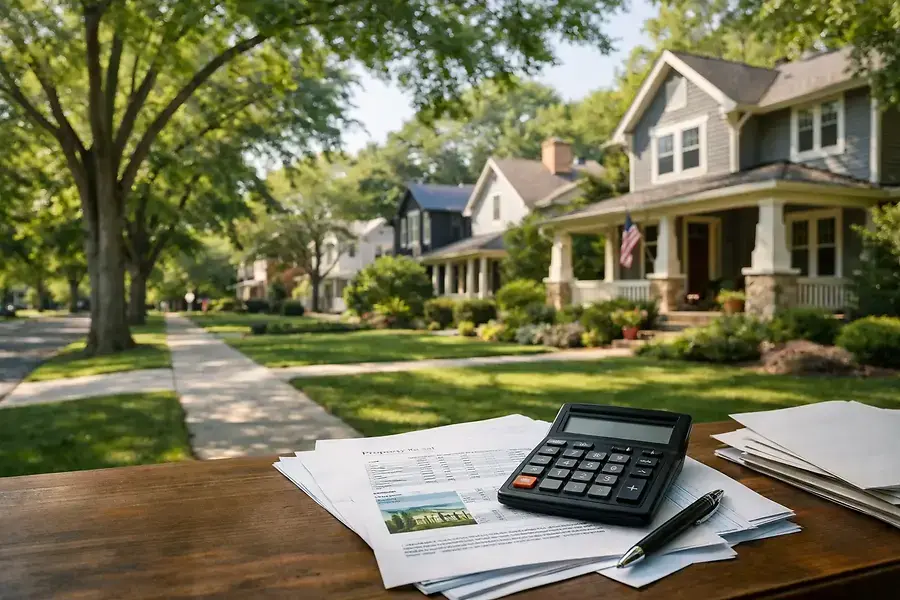
Why Property Taxes Matter for Homebuyers
When purchasing a home in Birmingham, Michigan, most buyers focus on the purchase price and mortgage payments. However, property taxes represent a significant ongoing cost that can dramatically impact your long-term financial investment. Understanding how property taxes work in Birmingham's residential neighborhoods is essential for making informed decisions about where to buy and how much you can truly afford.
Property taxes fund critical community services including schools, infrastructure, emergency services, and local government operations. In Birmingham, these taxes are calculated based on your home's assessed value and the local millage rate. A seemingly small difference in tax rates between neighborhoods can translate to thousands of dollars over the life of your mortgage.
Beyond the immediate financial impact, property taxes also influence property values, neighborhood quality, and your overall return on investment. Neighborhoods with well-funded schools and maintained infrastructure often command higher property values, which can offset higher tax burdens through appreciation.
Breaking Down Birmingham's Property Tax Structure and Assessment Process
How Property Assessment Works
Birmingham uses a systematic assessment process to determine property values for tax purposes. The Oakland County Assessor's office conducts assessments to establish the taxable value of residential properties. This assessed value is not necessarily the same as your home's market value—it's typically lower and is used as the basis for calculating your annual tax bill.
The assessment process involves:
- Physical inspection of the property and its improvements
- Analysis of comparable sales in the area
- Consideration of property characteristics such as size, age, and condition
- Annual adjustments based on market trends and inflation
Understanding Millage Rates
The millage rate is the amount of tax per $1,000 of assessed property value. Birmingham's millage rates vary depending on which taxing jurisdictions your property falls under. Your total property tax bill combines multiple millage rates including:
- Birmingham School District millage
- Oakland County millage
- City of Birmingham millage
- Special assessment districts (if applicable)
For example, if your home's assessed value is $300,000 and the combined millage rate is 45 mills, your annual property tax would be approximately $13,500. Understanding this calculation helps you estimate your true housing costs.
The Homestead Property Tax Exemption
Michigan offers a valuable Homestead Property Tax Exemption that can significantly reduce your tax burden. If your home is your primary residence, you may qualify for an exemption that limits the increase in your home's taxable value to 5% annually, regardless of market appreciation. This protection is particularly valuable in appreciating markets like Birmingham.
Comparing Tax Rates Across Birmingham's Residential Districts
Variations in Tax Burden
Property tax rates vary across Birmingham's different residential neighborhoods due to differences in school district funding, local services, and community investments. Some established neighborhoods may have different millage rates than newer developments, affecting your annual tax obligations.
When comparing neighborhoods, consider:
- School district quality and funding levels
- Local infrastructure and maintenance standards
- Community amenities and services
- Historical property value appreciation rates
- Future development plans that may impact assessments
Making Neighborhood Comparisons
Before purchasing a home in a specific Birmingham neighborhood, request a property tax estimate from the Oakland County Assessor's office. This allows you to compare the true cost of homeownership across different areas. A home that appears more affordable based on purchase price might actually cost more annually in taxes.
Additionally, research the school district's financial health and any planned millage increases. School funding is often the largest component of residential property taxes, so understanding the district's fiscal situation helps you anticipate future tax changes.
Long-Term Investment Considerations
While higher property taxes might seem like a disadvantage, neighborhoods with robust tax bases often invest more in schools, parks, and infrastructure. This investment typically results in stronger property value appreciation, which can offset higher annual tax costs over time. Consider the total value proposition rather than focusing solely on current tax rates.
Making Informed Decisions About Your Residential Investment
Understanding property taxes is crucial for making sound real estate decisions in Birmingham. Your property tax obligation will be one of your largest annual homeownership expenses, second only to your mortgage payment and insurance costs.
To make informed decisions:
- Calculate your total housing costs including property taxes, not just the mortgage payment
- Request property tax estimates for any homes you're seriously considering
- Research the school district's financial stability and millage rate history
- Understand how the Homestead Exemption applies to your situation
- Consider long-term appreciation potential in relation to current tax rates
- Consult with a real estate professional familiar with Birmingham's tax landscape
Property taxes are not just an expense—they're an investment in your community's quality of life and your property's long-term value.
By taking time to understand Birmingham's property tax structure and comparing rates across neighborhoods, you'll be better equipped to choose a home that aligns with your financial goals and lifestyle preferences. The most affordable purchase price isn't always the best investment when you factor in ongoing property tax obligations and community quality.


