Understanding Property Taxes in Contra Costa and Alameda County
Understand how Prop 13 protections and local assessments affect your residential investment costs.

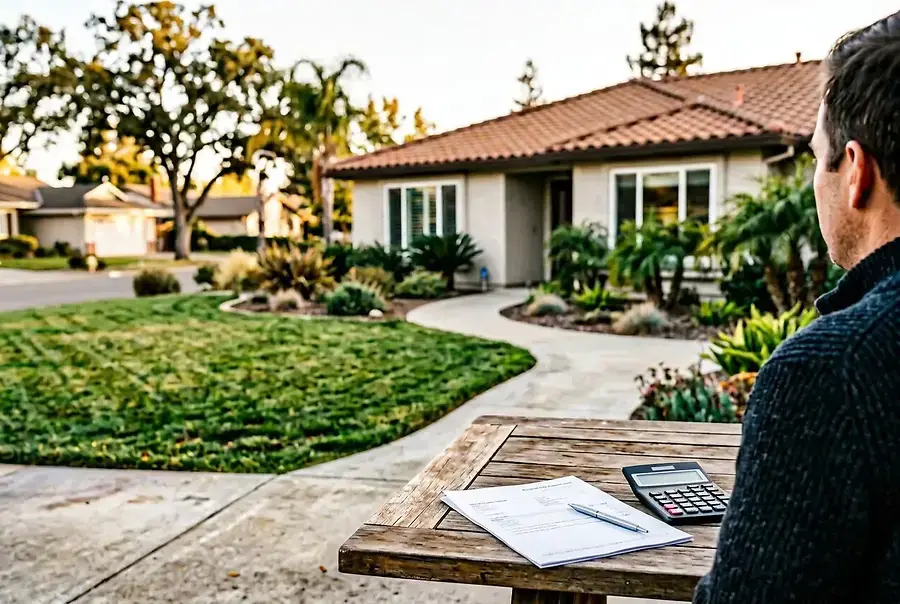
Why Property Taxes Matter for Homeowners
Property taxes represent one of the largest ongoing expenses for homeowners in California, particularly in Contra Costa and Alameda County. Understanding how these taxes are calculated and what protections exist can save you thousands of dollars over your homeownership journey. Whether you're a first-time buyer or a seasoned investor, grasping the nuances of local tax policies is essential for making informed financial decisions.
Property taxes fund critical community services including schools, fire departments, libraries, and infrastructure maintenance. In the Bay Area, these taxes have become increasingly complex due to a combination of state legislation and local county policies. By educating yourself about these systems, you can better plan your budget and identify opportunities to reduce your tax liability.
How Proposition 13 Protects Your Assessed Value
Proposition 13, passed in 1978, fundamentally changed how property taxes work in California. This landmark legislation provides significant protections for homeowners by limiting how quickly assessed values can increase.
The Core Benefits of Prop 13
- Capped Assessment Increases: Your property's assessed value can only increase by a maximum of 2% per year, regardless of market conditions. This means even if your home's market value doubles, your assessed value grows slowly and predictably.
- Reassessment Only at Sale: Your property is reassessed at current market value only when it changes ownership. This creates a significant advantage for long-term homeowners compared to new buyers in the same neighborhood.
- Tax Rate Cap: Property taxes are capped at 1% of the assessed value, plus any voter-approved bonds or assessments.
Understanding the Long-Term Advantage
Consider this scenario: A homeowner in Alameda County purchases a property assessed at $500,000. With Prop 13 protections, their assessed value increases by only 2% annually. After 10 years, the assessed value reaches approximately $610,000. However, if the home's actual market value increased to $800,000, the owner still pays taxes based on the lower assessed value—a substantial savings.
This protection is particularly valuable in the Bay Area, where property values have appreciated significantly. New homebuyers, however, face reassessment at current market rates, which can result in substantially higher tax bills than their neighbors with identical homes.
County-Specific Tax Rates and Assessment Differences
While Prop 13 provides a statewide framework, Contra Costa and Alameda County each have unique tax structures that affect your overall property tax burden.
Contra Costa County Tax Considerations
Contra Costa County's effective property tax rate typically ranges from 0.76% to 1.25% of assessed value, depending on your specific location and local assessment districts. The county includes diverse communities from urban centers to suburban areas, each with different service requirements and funding needs.
- School districts vary significantly in their voter-approved parcel taxes
- Special assessment districts for flood control, water, and fire services add to your bill
- Some areas have Mello-Roos assessments for infrastructure development
Alameda County Tax Considerations
Alameda County generally maintains similar base tax rates to Contra Costa, but the composition of your tax bill differs based on location. Oakland, Berkeley, and other major cities have distinct educational and service funding structures.
- Alameda County's base rate hovers around 0.76% to 1.15% of assessed value
- Voter-approved bonds for schools and infrastructure are common
- Community facilities districts may apply additional assessments
Comparing Your Specific Situation
Your actual property tax bill includes the base 1% rate plus any voter-approved bonds, special assessments, and county/city levies. Two homes with identical assessed values in different neighborhoods can have significantly different total tax bills. Request a detailed property tax bill breakdown from your county assessor's office to understand all components.
Strategies to Minimize Your Annual Tax Burden
Challenge Your Assessment
If you believe your property's assessed value is too high, you have the right to file an appeal. This is particularly important if your home suffered damage, if comparable properties are assessed lower, or if there's an error in the assessment. Most counties allow appeals within specific timeframes, typically 30 days after receiving your assessment notice.
Explore Exemptions and Exclusions
- Homeowner's Exemption: Most owner-occupied homes qualify for a $7,000 exemption from assessed value, reducing your tax bill by approximately $70 annually.
- Senior and Disabled Persons' Exemptions: Additional exemptions may apply if you're over 65 or permanently disabled.
- Welfare Exemptions: Low-income property owners may qualify for reduced assessments.
Monitor Proposition 13 Transfers
Understanding when reassessment occurs is crucial. Prop 13 allows certain transfers between family members to avoid reassessment. If you're planning to transfer property to children or grandchildren, consult with a tax professional about these opportunities.
Plan for Future Assessments
When purchasing property, remember that your assessed value will reset to market value. Budget for higher property taxes in your first year of ownership. Additionally, be aware that major renovations may trigger reassessment of the improved portion of your property.
Stay Informed About Local Measures
Voter-approved bonds and special assessments can significantly increase your property tax bill. Attend local government meetings and review ballot measures carefully before voting, as these decisions directly impact your housing costs.
Making Informed Tax Decisions
Property taxes in Contra Costa and Alameda County are complex, but understanding the fundamentals empowers you to make better financial decisions. Proposition 13 provides substantial protections for long-term homeowners, but new buyers should carefully evaluate the tax implications of their purchase.
Take time to review your property tax bill annually, challenge assessments if warranted, and explore available exemptions. Consider consulting with a tax professional or real estate advisor who understands local tax structures. By staying informed and proactive, you can optimize your property tax situation and protect your investment for years to come.
Remember: your property tax bill is not fixed in stone. With knowledge and action, you can minimize your burden and maximize the financial benefits of homeownership in the Bay Area.


