Understanding Property Taxes in DFW Mid-Cities: A Homeowner's Guide
A comprehensive guide to how property taxes work and strategies to minimize your burden across the Dallas-Fort Worth region.

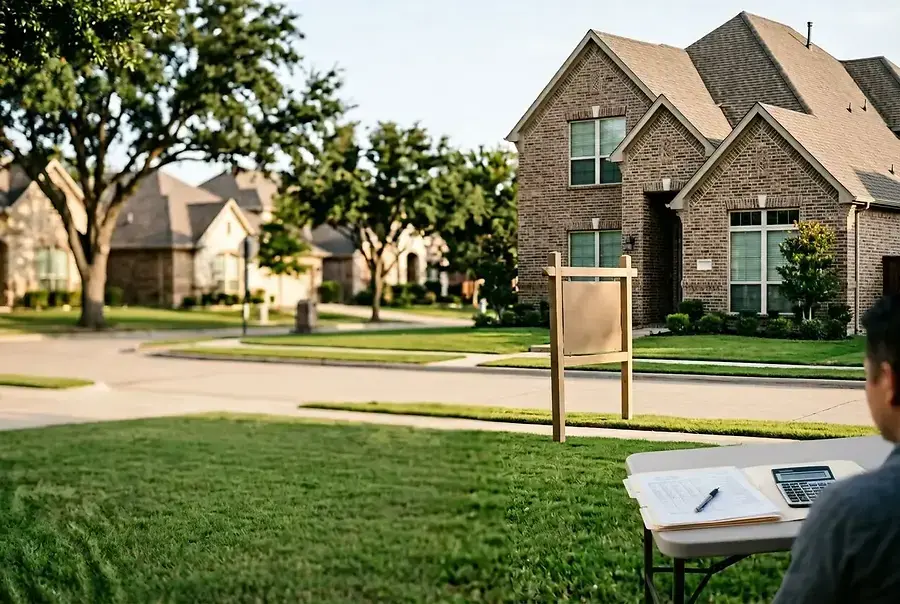
Introduction: Why Property Taxes Matter for DFW Homeowners
Property taxes represent one of the largest ongoing expenses for homeowners in the Dallas-Fort Worth region. Unlike mortgage payments that eventually end, property taxes continue for as long as you own your home. Understanding how these taxes work and what options are available to you can save thousands of dollars over your lifetime as a homeowner.
For residents of DFW mid-cities, property tax rates vary significantly depending on your location, school district, and local taxing entities. Whether you're in Arlington, Irving, Plano, or any other mid-city area, taking the time to understand your property tax assessment and available exemptions is crucial to managing your finances effectively.
How Property Taxes Are Calculated in Texas and DFW Counties
Understanding the Assessment Process
Property taxes in Texas are calculated based on the appraised value of your home, not the purchase price. Each county appraisal district is responsible for determining this value, which forms the foundation of your tax bill. The appraisal district uses various methods to assess property values, including:
- Comparable sales analysis (comparing your home to similar properties recently sold)
- Cost approach (estimating replacement cost)
- Income approach (for investment properties)
It's important to note that your appraised value may differ significantly from your home's market value or what you paid for it.
The Tax Rate Formula
Once your property is appraised, your property tax bill is calculated using a straightforward formula:
Property Tax Bill = Appraised Value × Tax Rate
The tax rate is expressed as a percentage and varies by location. In DFW mid-cities, rates typically range from 1.5% to 2.5% of appraised value, though this can vary based on your specific school district and local taxing entities.
Key Players in DFW Property Taxation
Your property tax bill supports multiple entities:
- School Districts: Typically account for 40-50% of your tax bill
- County Government: Provides services like law enforcement and infrastructure
- City Government: Funds local services and municipal operations
- Special Districts: May include water, fire, or hospital districts
Exemptions, Deductions, and Strategies to Reduce Your Tax Liability
Homestead Exemption
The homestead exemption is one of the most valuable tax breaks available to Texas homeowners. This exemption reduces the appraised value of your primary residence, which directly lowers your property tax bill. In Texas, the homestead exemption typically provides a $25,000 reduction in appraised value for school tax purposes, and additional exemptions may apply for county and local taxes.
To qualify, your home must be your primary residence, and you must file for the exemption with your local appraisal district.
Additional Exemptions for Eligible Homeowners
Depending on your circumstances, you may qualify for additional exemptions:
- Over 65 Exemption: Additional tax relief for seniors
- Disability Exemption: Available for homeowners with disabilities
- Agricultural Exemption: For properties used for agricultural purposes
- Veteran Exemption: Special benefits for disabled veterans
Challenging Your Appraisal
If you believe your home's appraised value is too high, you have the right to protest. This is one of the most effective ways to reduce your property tax burden. The process typically involves:
- Gathering evidence of comparable sales or market conditions
- Filing a formal protest with your appraisal district
- Attending a hearing to present your case
- Potentially negotiating a lower appraised value
Many homeowners successfully reduce their tax bills through this process, making it well worth the effort.
Strategic Home Improvements
While home improvements increase your property's value and appeal, be aware that major renovations can trigger a reassessment and increase your appraised value. Plan improvements strategically and consider the long-term tax implications before undertaking expensive projects.
Working with a Tax Professional
Consider consulting with a property tax consultant or real estate tax attorney who specializes in DFW properties. These professionals can:
- Review your appraisal for errors or inaccuracies
- Identify exemptions you may have missed
- Represent you in appraisal protests
- Develop long-term tax reduction strategies
The cost of professional assistance is often offset by the tax savings achieved.
Conclusion: Taking Control of Your Property Tax Situation
Property taxes are a significant expense for DFW homeowners, but they're not entirely beyond your control. By understanding how taxes are calculated, taking advantage of available exemptions, and actively challenging inflated appraisals when warranted, you can substantially reduce your tax burden.
Start by reviewing your most recent property tax statement and appraisal notice. Verify that your homestead exemption is properly applied, research any additional exemptions you might qualify for, and consider whether your appraised value accurately reflects your home's market value. Taking action today can result in meaningful savings for years to come.
Remember, property tax laws and rates can change, so staying informed and reviewing your situation regularly is essential. Whether you handle this independently or seek professional guidance, the key is to be proactive rather than passive about your property tax obligations.