Understanding Property Taxes in Fairfield, NJ for Homeowners
Discover how property taxes are calculated and explore proven strategies to reduce your annual tax burden in Fairfield.

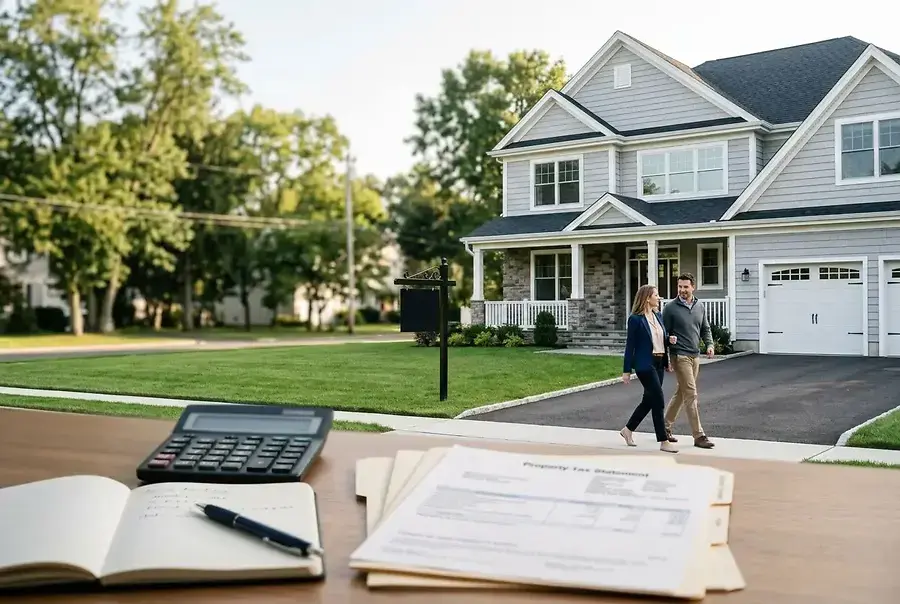
Introduction: Property Taxes in Fairfield's Real Estate Market
Property taxes represent one of the largest ongoing expenses for homeowners in Fairfield, New Jersey. Understanding how these taxes are calculated and what options are available to reduce your burden is essential for making informed financial decisions about your home investment. Fairfield, like many New Jersey municipalities, has a unique tax structure that can significantly impact your annual housing costs.
Whether you're a first-time homebuyer or a long-time resident, navigating the complexities of property taxation can feel overwhelming. This guide will help you understand the fundamentals of Fairfield's property tax system and provide actionable strategies to potentially lower your tax obligations.
How Fairfield Property Taxes Are Calculated and Assessed
The Assessment Process
Property taxes in Fairfield begin with a professional assessment of your home's value. The municipal assessor evaluates your property based on several factors, including:
- Property size and square footage - Larger homes typically have higher assessments
- Location and neighborhood - Proximity to schools, parks, and amenities affects value
- Age and condition of the structure - Newer or well-maintained homes may have higher assessments
- Recent comparable sales - Similar properties sold in your area influence assessments
- Improvements and upgrades - Renovations and additions can increase your assessed value
Tax Rate Calculation
Once your property is assessed, the tax rate is applied. In Fairfield, the property tax rate is determined by dividing the total municipal budget by the total assessed property values in the township. Your annual property tax bill equals your assessed property value multiplied by the local tax rate.
It's important to note that New Jersey has some of the highest property tax rates in the nation. Fairfield residents should expect to pay a percentage of their home's assessed value annually. Understanding this calculation helps you anticipate your tax obligations and plan your finances accordingly.
Assessment Appeals and Challenges
If you believe your property has been assessed too high, you have the right to challenge the assessment. The appeal process typically involves filing a formal complaint with the county tax board within a specific timeframe. Many homeowners successfully reduce their tax burden by providing evidence that their property was overvalued, such as documentation of recent repairs needed or comparable sales data showing lower values in the area.
Tax Reduction Strategies and Exemptions for Homeowners
Senior Citizen Property Tax Exemptions
Fairfield offers property tax relief programs for eligible senior citizens. Homeowners aged 65 and older may qualify for significant tax reductions if they meet income requirements. This exemption can substantially lower your annual tax bill, making it worth investigating if you or a family member qualifies.
Disabled Persons Exemption
New Jersey provides property tax exemptions for individuals with disabilities. If you have a documented disability, you may be eligible for a partial exemption on your property taxes. Contact the Fairfield Tax Assessor's office for specific eligibility requirements and application procedures.
Homestead Property Tax Deduction
The Homestead Property Tax Deduction is a state-level program that provides tax relief to eligible homeowners. This deduction can reduce your property tax bill by hundreds of dollars annually. Eligibility is based on household income and property value, so it's worth checking if your situation qualifies.
Energy-Efficient Home Improvements
Some municipalities offer tax incentives for homeowners who make energy-efficient upgrades. Installing solar panels, upgrading insulation, or replacing old HVAC systems may qualify you for tax credits or exemptions. These improvements not only reduce your tax burden but also lower your utility costs and increase your home's value.
Assessment Review and Documentation
Maintaining detailed records of your property is crucial. Keep documentation of:
- Any damage or structural issues that may affect value
- Deferred maintenance or needed repairs
- Recent property tax assessments from comparable homes
- Photographs showing property condition
- Receipts for major repairs or improvements
This documentation becomes invaluable if you decide to appeal your assessment. Having concrete evidence supporting a lower valuation significantly increases your chances of a successful appeal.
Working with Tax Professionals
Consider consulting with a property tax professional or attorney who specializes in tax appeals. While there's a cost involved, the potential savings often justify the expense. These professionals understand local assessment practices and can identify opportunities for tax reduction that homeowners might miss.
Staying Informed About Municipal Changes
Property tax rates can change annually based on municipal budget needs.
Attending town council meetings and staying informed about local budget discussions helps you understand potential tax increases before they occur.This awareness allows you to plan ahead and explore additional tax reduction strategies if necessary.
Conclusion: Making Informed Decisions About Your Fairfield Home Investment
Property taxes in Fairfield, NJ, are a significant consideration for homeowners, but understanding how they're calculated and what reduction strategies are available can help you manage this expense effectively. By familiarizing yourself with the assessment process, exploring available exemptions, and maintaining thorough documentation of your property, you can take control of your tax situation.
Don't hesitate to challenge an assessment you believe is unfair, investigate exemption programs you may qualify for, or seek professional guidance. Taking proactive steps to understand and reduce your property taxes can result in substantial savings over time, making your Fairfield home investment even more financially sound. Remember, your property tax bill is not set in stone—there are legitimate ways to reduce it, and you deserve to explore every option available to you.