Understanding Property Taxes in Fox Valley Residential Communities
Essential insights into how property taxes impact your real estate investment in Geneva, St. Charles, Batavia, Elburn, Oswego, and Campton Hills.

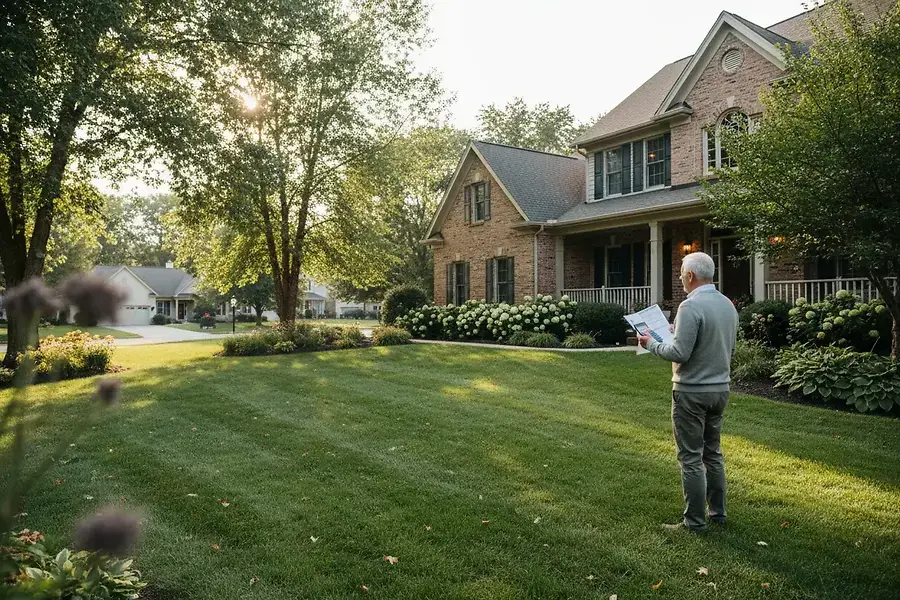
Understanding Property Tax Structures Across Fox Valley Towns
Property taxes are a fundamental aspect of homeownership in the Fox Valley region, including Geneva, St. Charles, Batavia, Elburn, Oswego, and Campton Hills. Each municipality operates under Illinois state tax laws, but local variations can significantly impact what you pay annually. Understanding these structures is essential for making informed decisions about your real estate investment.
The Fox Valley area comprises several distinct taxing bodies, each with its own assessment methodology and tax rates. Property taxes in Illinois are calculated by multiplying your property's assessed value by the local tax rate, which is expressed as a percentage. These rates vary considerably between communities, influenced by local school districts, municipal services, and infrastructure needs.
Local Tax Rate Variations
While all Fox Valley communities follow state guidelines, their effective tax rates differ based on local funding requirements. Geneva and St. Charles, for example, may have different rates than Elburn or Campton Hills due to variations in:
- School district funding needs and quality ratings
- Municipal service levels and infrastructure maintenance
- County and township assessments
- Special taxing districts and improvement areas
It's crucial to research the specific tax rates in your target community before purchasing property. This information is publicly available through your local assessor's office and can dramatically affect your long-term financial planning.
How Assessments and Valuations Affect Your Tax Obligations
The foundation of your property tax bill begins with the assessment process. Your property's assessed value, not its market value, determines your tax obligation. This distinction is critical for homeowners to understand.
The Assessment Process
In Illinois, properties are typically reassessed every three to four years, though this can vary by municipality. During reassessment, county assessors evaluate your property based on:
- Square footage and lot size
- Age and condition of structures
- Recent comparable sales in your area
- Improvements and renovations
- Market trends and economic conditions
The assessed value is usually a percentage of the estimated market value, known as the assessment level. In Illinois, this is typically 33.3% of fair market value, though this can vary.
Challenging Your Assessment
If you believe your property has been overassessed, you have the right to appeal. This is one of the most effective ways to reduce your tax burden. The appeal process generally involves:
- Gathering comparable property sales data
- Documenting any property defects or needed repairs
- Filing a formal appeal with your local assessor
- Presenting evidence at a hearing if necessary
Many homeowners successfully reduce their assessments by 5-15% through this process, resulting in significant annual savings.
Strategies for Managing and Reducing Your Annual Tax Burden
Beyond challenging assessments, several strategies can help minimize your property tax obligations in Fox Valley communities.
Homestead Exemptions and Tax Credits
Illinois offers homestead exemptions that can reduce your assessed value by up to $6,000 for eligible primary residences. This exemption can result in annual savings of $200-$400 or more, depending on your local tax rate. Additionally, seniors and disabled homeowners may qualify for additional property tax relief programs.
Senior and Disabled Homeowner Programs
If you're 65 or older or permanently disabled, you may qualify for the Senior Citizen Property Tax Deferral Program or the Property Tax Freeze Program. These programs can provide substantial relief, particularly for those on fixed incomes. Contact your local assessor's office for specific eligibility requirements.
Energy-Efficient Improvements
Some municipalities offer tax incentives for energy-efficient home improvements. Installing solar panels, upgrading insulation, or replacing HVAC systems may qualify for tax credits or exemptions in certain Fox Valley communities. Check with your local government for current incentive programs.
Timing Your Home Purchase
The timing of your home purchase can impact your initial tax bill. Properties purchased mid-year may receive a proration of taxes, potentially reducing your first year's obligation. Work with your real estate agent and tax advisor to understand the implications for your specific situation.
Planning Your Budget: Property Taxes and Long-Term Homeownership
Effective financial planning requires understanding how property taxes fit into your overall homeownership costs.
Calculating Your True Housing Costs
When budgeting for a home purchase in Fox Valley, remember that your total housing costs include more than just your mortgage payment. Property taxes typically represent 15-25% of total housing costs in this region. A helpful formula:
Total Annual Housing Cost = Mortgage Payment + Property Taxes + Insurance + Maintenance + HOA Fees (if applicable)
By understanding this breakdown, you can make more informed decisions about what price range is truly affordable for your situation.
Planning for Tax Increases
Property taxes are not static. They typically increase annually due to inflation, reassessments, and changes in local tax rates. Plan for 2-4% annual increases in your property tax bill when creating your long-term budget. This ensures you won't face unexpected financial strain as your taxes grow over time.
Escrow Accounts and Payment Planning
Most homeowners with mortgages pay property taxes through escrow accounts managed by their lenders. These accounts collect a portion of your tax obligation with each mortgage payment, ensuring funds are available when taxes are due. Understanding your escrow account can help you:
- Avoid large lump-sum tax payments
- Spread costs evenly throughout the year
- Identify overpayments or shortfalls
- Plan for potential escrow adjustments
Working with Tax Professionals
Consider consulting with a tax professional or real estate advisor familiar with Fox Valley communities. They can help you understand the specific tax implications of properties in Geneva, St. Charles, Batavia, Elburn, Oswego, and Campton Hills, and identify strategies tailored to your financial situation.
Property taxes are a significant component of homeownership in Fox Valley, but with proper understanding and planning, you can manage this obligation effectively. By staying informed about assessment processes, exploring available exemptions, and planning your budget carefully, you'll be better positioned to make sound real estate investment decisions in your chosen community.