Understanding Property Taxes in Frankston and Tyler, Texas Homes
A comprehensive guide to help residential buyers and sellers navigate local tax implications and maximize their investment returns.

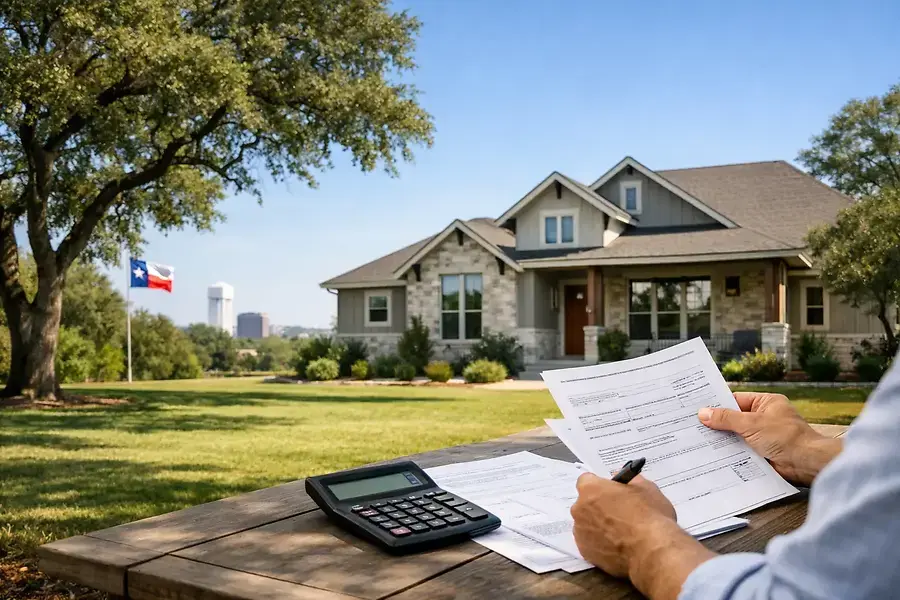
Introduction: Why Property Taxes Matter in East Texas Real Estate
Property taxes are one of the most significant ongoing expenses for homeowners in Frankston and Tyler, Texas. Whether you're a first-time buyer or an experienced investor, understanding how property taxes work in your area is essential to making sound financial decisions. Property taxes directly impact your monthly housing costs, long-term investment returns, and overall wealth building strategy.
East Texas has unique tax considerations that differ from other regions of the state. The combination of local school district rates, county assessments, and municipal levies creates a complex tax landscape that requires careful attention. By educating yourself about these factors, you can better plan your finances and potentially save thousands of dollars over the life of your homeownership.
How Property Tax Assessments Work in Frankston and Tyler
The Assessment Process
Property tax assessments in Frankston and Tyler begin with the local appraisal district, which evaluates your home's market value. The appraisal district uses comparable sales, property characteristics, and market trends to determine your home's assessed value. This assessed value forms the foundation for calculating your annual property tax bill.
The appraisal process typically occurs annually, and homeowners receive a notice of appraised value. It's crucial to review this notice carefully, as errors in property descriptions or valuations can lead to overpaying taxes. If you believe your assessment is inaccurate, you have the right to file a protest with the appraisal review board.
Tax Rate Components
Your total property tax rate in Frankston and Tyler consists of several components:
- School District Taxes: Typically the largest portion, funding local education
- County Taxes: Supporting county services and infrastructure
- City/Municipal Taxes: Funding local government operations and services
- Special District Taxes: For specific services like water, drainage, or emergency services
Each entity sets its own tax rate, and these rates are multiplied by your home's assessed value to determine your annual tax bill. Understanding which entities tax your property helps you identify where your tax dollars are being allocated.
Homestead Exemptions and Tax Relief Programs
Texas offers valuable homestead exemptions that can significantly reduce your property tax burden. If your home is your primary residence, you may qualify for a homestead exemption that reduces your assessed value by a fixed amount or percentage. This exemption applies to school district taxes and can result in substantial savings.
Additionally, Texas provides tax relief programs for seniors, disabled individuals, and veterans. These programs may include:
- Over-65 homestead exemptions with tax deferral options
- Disability exemptions for qualified individuals
- Veteran exemptions for eligible service members
If you qualify for any of these programs, applying promptly can reduce your tax liability immediately.
Strategies to Minimize Your Tax Burden as a Homeowner
Challenge Your Assessment
One of the most effective ways to reduce your property taxes is to challenge your home's assessed value if you believe it's too high. You can file a protest with the appraisal review board during the designated protest period, typically in May or June. Gather evidence such as recent appraisals, comparable sales data, or documentation of property defects to support your case.
Many homeowners successfully reduce their tax bills through this process. Even a small reduction in assessed value can translate to hundreds of dollars in annual savings.
Maximize Available Exemptions
Ensure you're taking advantage of every exemption available to you. Beyond the standard homestead exemption, explore whether you qualify for:
- Agricultural exemptions if your property includes farmland
- Conservation exemptions for environmentally protected land
- Historic property exemptions if your home has historical significance
Applying for these exemptions requires documentation, but the long-term savings justify the effort.
Consider Property Improvements Strategically
Be mindful that certain home improvements may increase your assessed value and subsequently your property taxes. While maintaining your home is important, major renovations should be carefully considered in light of potential tax implications. Some improvements, such as energy-efficient upgrades, may qualify for tax incentives that offset increased assessments.
Stay Informed About Tax Rate Changes
Property tax rates can change annually as local entities adjust their budgets. Stay informed about proposed tax rate increases in your school district, city, and county. Attend public hearings and consider voicing your concerns about excessive tax increases. Being an engaged taxpayer can influence local policy decisions.
Work with Real Estate Professionals
Real estate agents and tax professionals familiar with Frankston and Tyler's market can provide valuable insights into property tax implications before you purchase. They can help you identify properties with favorable tax situations and understand the long-term financial impact of your investment.
Conclusion: Making Informed Decisions for Your Residential Investment
Property taxes are a critical component of homeownership costs in Frankston and Tyler, Texas. By understanding how assessments work, taking advantage of available exemptions, and implementing tax-reduction strategies, you can significantly minimize your tax burden and maximize your investment returns.
Remember that property tax laws and rates can change, so staying informed and reviewing your assessment annually is essential. Don't hesitate to seek professional guidance from tax advisors or real estate professionals who understand the local market. With proper planning and knowledge, you can make informed decisions that protect your financial interests and help you build long-term wealth through residential real estate investment in East Texas.
"The best investment you can make is in understanding the true cost of homeownership, including property taxes. Knowledge is the foundation of smart real estate decisions."


