Understanding Property Taxes in Grosse Pointe and Saint Clair Shores
A practical guide to calculating and planning for residential property tax obligations in these premium Michigan communities.

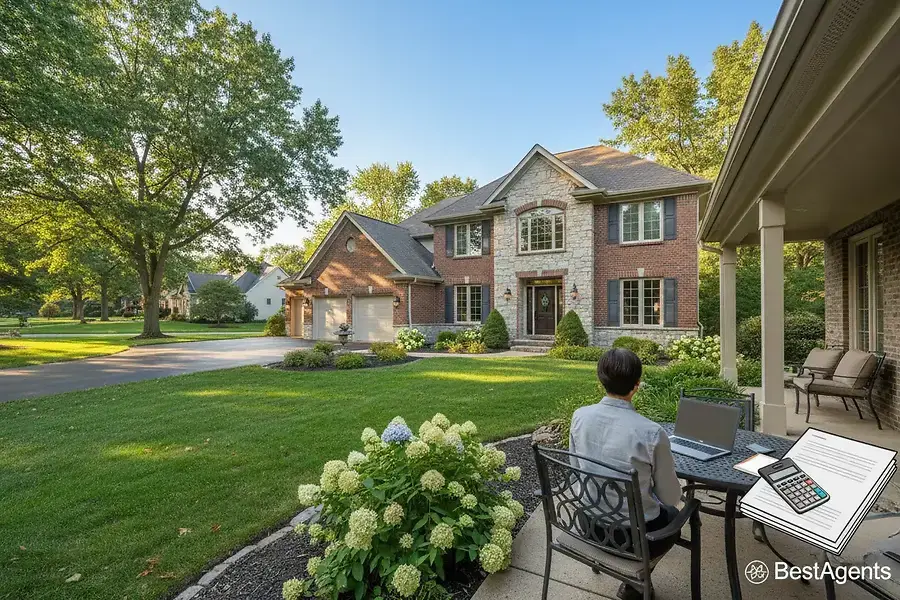
Introduction: Why Property Taxes Matter in Your Real Estate Decision
When purchasing a home in Michigan's most desirable communities, many buyers focus on location, amenities, and property value. However, property taxes represent one of the most significant ongoing expenses of homeownership that deserves careful consideration. In premium communities like Grosse Pointe and Saint Clair Shores, understanding your tax obligations can mean the difference between a sound investment and financial strain.
Property taxes fund essential services including schools, infrastructure, emergency services, and local government operations. Unlike mortgage payments that eventually end, property taxes continue throughout your ownership and typically increase over time. For homeowners in these affluent areas, property taxes can represent a substantial portion of annual housing costs, making it crucial to understand how they're calculated and what strategies can help minimize your burden.
Property Tax Structures in Grosse Pointe vs. Saint Clair Shores
Grosse Pointe's Tax Framework
Grosse Pointe encompasses five distinct municipalities: Grosse Pointe, Grosse Pointe Farms, Grosse Pointe Park, Grosse Pointe Shores, and Grosse Pointe Woods. Each community maintains its own tax structure, though they share similar assessment methodologies. Property taxes in Grosse Pointe typically range from 1.2% to 1.5% of assessed value annually, though this varies by specific municipality.
The assessment process begins with the State Equalization Department, which ensures properties are assessed at approximately 50% of their true cash value. Local assessors then apply this standard to determine your property's assessed value. Key factors affecting your assessment include:
- Property square footage and lot size
- Age and condition of the structure
- Recent comparable sales in your area
- Improvements and renovations
- Zoning classification
Saint Clair Shores' Tax Framework
Saint Clair Shores, located in Macomb County, operates under a slightly different tax structure. Property tax rates here typically range from 1.3% to 1.6% of assessed value, reflecting the community's excellent schools and municipal services. The township uses the same 50% assessment ratio as Grosse Pointe, but the millage rates—the amount per $1,000 of assessed value—may differ based on local funding needs.
Saint Clair Shores benefits from strong commercial development along Jefferson Avenue, which helps distribute the tax burden across both residential and commercial properties. This diversified tax base can sometimes result in slightly more stable tax rates compared to purely residential communities.
Key Differences Between Communities
School funding represents the largest component of property taxes in both communities, typically accounting for 40-50% of your total tax bill. Grosse Pointe Schools and Saint Clair Shores Schools are both highly rated, which contributes to their tax rates. Additionally, Grosse Pointe's multiple municipalities mean you may encounter different millage rates depending on which Grosse Pointe community you choose.
How to Budget for Property Taxes and Maximize Tax Benefits
Calculating Your Expected Tax Bill
To estimate your property taxes, use this formula: Assessed Value × Millage Rate ÷ 1,000 = Annual Tax Bill. For example, a $500,000 home assessed at 50% of value ($250,000) with a 14 millage rate would result in an annual tax bill of approximately $3,500.
When budgeting, remember that Michigan allows for a Homestead Property Tax Credit if your household income qualifies. This credit can significantly reduce your tax burden, particularly for first-time homebuyers or those with limited income.
Tax Planning Strategies
Several strategies can help minimize your property tax obligations:
- Appeal your assessment: If you believe your property is over-assessed, you can file an appeal with your local assessor's office. Comparable sales data and professional appraisals can support your case.
- Explore exemptions: Certain improvements like solar panels or energy-efficient upgrades may qualify for exemptions in some cases.
- Understand the Proposal A cap: Michigan's Proposal A limits annual assessment increases to 5% or the rate of inflation, whichever is lower, until the property is sold.
- Consider timing: If purchasing a home, closing dates can affect your first-year tax bill, as taxes are prorated based on ownership duration.
Maximizing Available Benefits
Both Grosse Pointe and Saint Clair Shores residents may qualify for various tax benefits. The Homestead Property Tax Credit provides relief for homeowners whose property taxes exceed a certain percentage of household income. Additionally, seniors may qualify for the Senior Homestead Property Tax Credit, which offers enhanced benefits for those over 65.
Keep detailed records of all property improvements and renovations. While these typically increase your assessed value, they may also qualify for specific exemptions or credits. Consulting with a tax professional familiar with Michigan property tax law can help you identify opportunities specific to your situation.
Working with Tax Professionals
Given the complexity of property tax calculations and the significant financial implications, engaging a real estate tax professional or accountant is highly recommended. These experts can help you understand your obligations, identify tax-saving opportunities, and represent you in assessment appeals if necessary.
Conclusion: Making Informed Decisions About Your Investment
Property taxes in Grosse Pointe and Saint Clair Shores are substantial but reflect the exceptional quality of life, schools, and services these communities provide. By understanding how taxes are calculated, budgeting appropriately, and leveraging available benefits, you can make informed decisions about your real estate investment.
Before purchasing property in either community, request a detailed property tax history from your real estate agent and calculate projected annual taxes based on the purchase price. Factor these costs into your overall budget alongside mortgage payments, insurance, and maintenance. With proper planning and knowledge, you can confidently invest in these premium Michigan communities while managing your tax obligations effectively.
Remember: Property taxes are an investment in your community's future. Understanding them is the first step toward becoming a savvy homeowner in Michigan's most desirable neighborhoods.