Understanding Property Taxes in Hampton Roads Residential Markets
A practical guide to calculating and managing your real estate tax obligations in Chesapeake, Norfolk, Suffolk, and Virginia Beach.

Why Property Taxes Matter for Homeowners
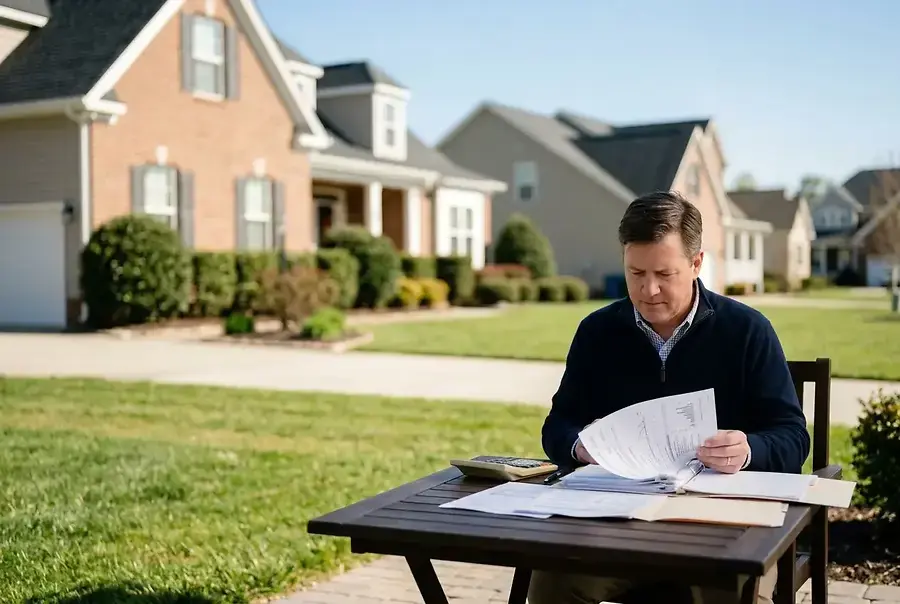
Property taxes represent one of the largest ongoing expenses for homeowners in the Hampton Roads area. Whether you own a modest starter home or a waterfront property, understanding how these taxes are calculated and managed can save you thousands of dollars over your ownership tenure. Property taxes fund essential services including schools, emergency services, infrastructure maintenance, and local government operations that directly impact your community and property values.
For many homeowners, property taxes are a significant component of their monthly mortgage payments, often bundled into escrow accounts. However, the rates and assessment methods vary considerably across Hampton Roads cities, making it crucial to understand your specific obligations. Knowledge is power when it comes to managing your real estate investments effectively.
Breaking Down Property Tax Calculations Across Hampton Roads Cities
How Property Taxes Are Calculated
Property tax calculations follow a straightforward formula: Assessed Value × Tax Rate = Annual Property Tax. The assessed value is determined by local assessors who evaluate your property's characteristics, including square footage, lot size, condition, and comparable sales in your area. The tax rate, expressed as a percentage or per $100 of assessed value, varies by municipality.
Chesapeake Property Tax Rates
Chesapeake, Virginia's largest city by area, offers relatively competitive property tax rates. The city assesses residential properties based on fair market value, with rates typically ranging from $0.80 to $0.95 per $100 of assessed value. Homeowners should note that Chesapeake conducts reassessments periodically, which can affect your tax obligations. The city also offers exemptions for seniors and disabled veterans, which can provide substantial relief.
Norfolk's Tax Structure
Norfolk maintains a different assessment approach, with tax rates generally falling between $0.85 and $1.00 per $100 of assessed value. The city's waterfront properties and historic neighborhoods may have unique valuation considerations. Norfolk residents benefit from various homestead exemptions and tax relief programs designed to assist long-term homeowners and seniors.
Suffolk and Virginia Beach Considerations
Suffolk offers some of the most favorable tax rates in the region, often ranging from $0.75 to $0.90 per $100 of assessed value. This makes Suffolk an attractive option for budget-conscious homebuyers. Virginia Beach, the region's most populous city, maintains rates typically between $0.80 and $0.95 per $100 of assessed value, with additional considerations for military families and active-duty personnel.
Strategies to Minimize Your Tax Burden While Maximizing Home Value
Homestead Exemptions and Tax Relief Programs
All Hampton Roads cities offer homestead exemptions that can significantly reduce your property tax burden. Homestead exemptions typically provide a fixed dollar amount reduction on your assessed value, which translates to substantial annual savings. Eligibility requirements vary, but generally include:
- Primary residence ownership
- Virginia residency requirements
- Age or disability qualifications for enhanced exemptions
- Income limitations for certain programs
Senior citizens and disabled veterans should investigate enhanced exemption programs, which can provide even greater tax relief.
Appealing Your Assessment
If you believe your property has been overvalued, you have the right to appeal your assessment. Most Hampton Roads cities allow homeowners to file appeals within specific timeframes. Gather comparable sales data, recent appraisals, and documentation of property conditions to support your case. Many successful appeals result in reduced assessments and lower tax bills.
Home Improvements and Tax Implications
While home improvements increase your property's value and enjoyment, they can also trigger reassessments. Plan major renovations strategically to minimize tax impacts. Some improvements, such as energy-efficient upgrades, may qualify for tax credits or exemptions in certain jurisdictions. Consult with local assessors before undertaking significant projects.
Timing Your Purchase
The timing of your home purchase can affect your initial tax obligations. Properties are typically assessed at their purchase price, so buying during market downturns may result in lower assessments. Work with real estate professionals who understand local tax implications and can help you time your purchase strategically.
Maintaining Accurate Records
Keep detailed records of your property's condition, improvements, and maintenance. Documentation is essential if you need to appeal an assessment or negotiate with assessors. Photographs, receipts, and professional appraisals provide valuable evidence of your property's true value.
Making Informed Decisions About Your Investment
Property taxes are a permanent feature of homeownership, but they don't have to be a burden. By understanding how taxes are calculated in your specific Hampton Roads city, taking advantage of available exemptions, and maintaining awareness of assessment practices, you can make informed decisions that protect your investment.
Consider the total cost of ownership when evaluating properties across different cities. A home with a lower purchase price in Suffolk might offer better long-term value due to favorable tax rates, while a Norfolk property might provide other benefits that offset higher taxes. Each situation is unique, and careful analysis is essential.
Stay proactive about your property tax obligations by reviewing assessment notices, understanding your local tax rates, and exploring available relief programs. Regular communication with your local assessor's office can help you stay informed about changes that might affect your taxes. Remember, the money you save on property taxes can be reinvested in your home, your family, or your future.
Whether you're a first-time homebuyer or an experienced investor, mastering property tax management is a crucial skill for success in the Hampton Roads real estate market. Take control of your financial future by becoming an informed, proactive property owner.