Understanding Property Taxes in Indianapolis Residential Real Estate
Learn how property taxes impact your home's true cost of ownership and what you can do to manage them effectively.

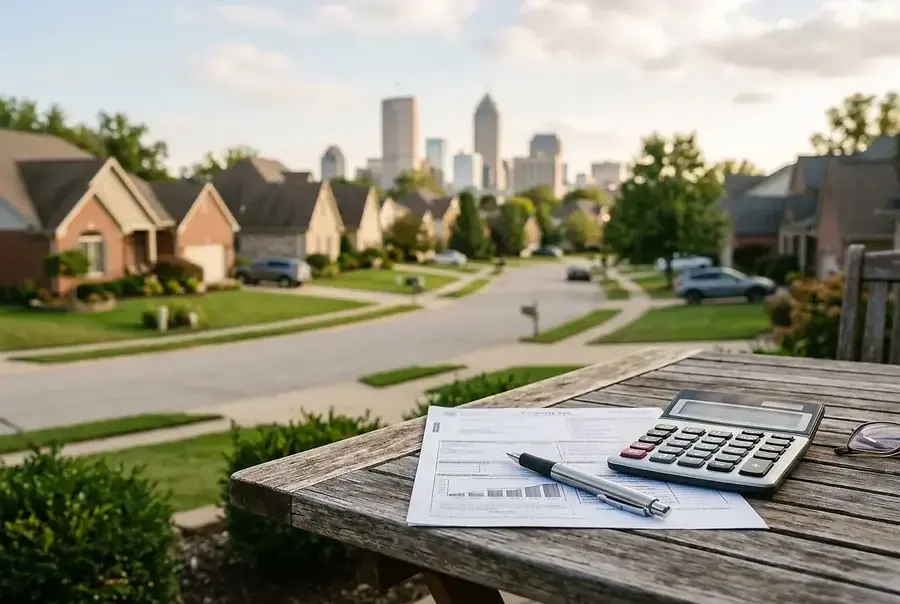
How Indianapolis Property Taxes Are Calculated and Assessed
Property taxes in Indianapolis are a crucial component of homeownership that many buyers overlook during the purchasing process. Understanding how these taxes are calculated can help you make more informed financial decisions about your real estate investment.
The Indianapolis property tax system begins with the assessed value of your home, which is determined by the Marion County Assessor's office. This assessment is typically based on recent sales of comparable properties in your area, the condition of your home, and any improvements you've made. The assessed value is usually lower than the market value of your property.
Once the assessed value is established, the tax rate is applied. In Indianapolis, the property tax rate is expressed as a percentage of the assessed value. The total tax bill is calculated by multiplying your home's assessed value by the applicable tax rate. It's important to note that property taxes can change annually as both assessed values and tax rates may be adjusted.
The Assessment Process
The Marion County Assessor conducts assessments to ensure fair and equitable taxation across the county. Homeowners have the right to challenge their assessment if they believe it's inaccurate. This process typically involves:
- Reviewing comparable property sales in your neighborhood
- Documenting any significant home improvements or repairs
- Submitting a formal appeal if you believe the assessment is incorrect
- Attending a hearing before the county assessor's office if necessary
Understanding this process empowers you to advocate for a fair assessment of your property.
Comparing Tax Rates Across Indianapolis Neighborhoods
One of the most significant factors affecting your property tax bill is where your home is located within Indianapolis. Different neighborhoods and school districts have varying tax rates, which can substantially impact your annual tax obligations.
Neighborhood Variations
Indianapolis encompasses diverse neighborhoods, each with its own tax considerations. Some factors that influence neighborhood tax rates include:
- School district funding needs: Properties in well-funded school districts may have higher tax rates
- Local infrastructure investments: Neighborhoods with recent improvements may reflect higher assessments
- Property values: More affluent neighborhoods typically have higher assessed values
- Special taxing districts: Some areas have additional taxes for specific services or improvements
Before purchasing a home in Indianapolis, it's wise to research the property tax rates in your target neighborhood. A difference of just a few percentage points can translate to hundreds of dollars annually.
Comparing Your Options
When evaluating different Indianapolis neighborhoods, create a comparison chart that includes:
- Current property tax rates for each area
- Average home prices and assessed values
- Projected annual tax bills for homes at your price point
- Historical trends in tax rate changes
This analysis will help you understand the true cost of homeownership in different parts of the city.
Strategies to Reduce Your Property Tax Burden
While you cannot eliminate property taxes, there are several legitimate strategies to reduce your tax burden and keep more money in your pocket.
Challenge Your Assessment
One of the most effective ways to reduce property taxes is to challenge an inflated assessment. If you believe your home's assessed value is too high, you have the right to file an appeal. Gather evidence such as:
- Recent appraisals showing lower property values
- Documentation of needed repairs or deferred maintenance
- Comparable sales of similar homes in your neighborhood
- Photos demonstrating the condition of your property
Many homeowners successfully reduce their tax bills through this process, sometimes saving thousands of dollars over several years.
Explore Tax Exemptions and Credits
Indianapolis and Indiana offer several tax relief programs for eligible homeowners:
- Homestead property tax deduction: Available to owner-occupied primary residences
- Senior citizen exemptions: Additional relief for homeowners age 65 and older
- Disability exemptions: Available to disabled veterans and individuals with disabilities
- Historic property credits: Tax incentives for homes in historic districts
Research which programs you may qualify for and submit applications accordingly. These exemptions can significantly reduce your annual tax liability.
Maintain Your Property
Keeping your home in good condition can indirectly help manage property taxes. Well-maintained homes may receive more favorable assessments than properties showing signs of neglect or needed repairs. Additionally, avoiding major renovations that significantly increase your home's value can help keep your assessed value stable.
Stay Informed and Organized
Keep detailed records of:
- Your annual property tax bills and assessment notices
- Any correspondence with the assessor's office
- Documentation of home improvements and repairs
- Comparable property sales in your neighborhood
This documentation will be invaluable if you need to appeal your assessment or apply for tax relief programs.
Conclusion: Making Informed Decisions About Your Investment
Property taxes are a significant ongoing cost of homeownership in Indianapolis, but understanding how they work puts you in control. By learning how taxes are calculated, comparing rates across neighborhoods, and implementing strategies to reduce your burden, you can make smarter financial decisions about your real estate investment.
Take action today: Review your current assessment, research your neighborhood's tax rates, and explore available exemptions and credits. The time you invest in understanding Indianapolis property taxes can result in substantial savings and a more confident approach to homeownership.
Remember, every homeowner's situation is unique. Consider consulting with a local real estate professional or tax advisor who can provide personalized guidance based on your specific circumstances and goals.