Understanding Property Taxes in Minnesota Residential Markets
A practical guide to how property taxes impact your home purchase and long-term ownership costs in Minnesota.

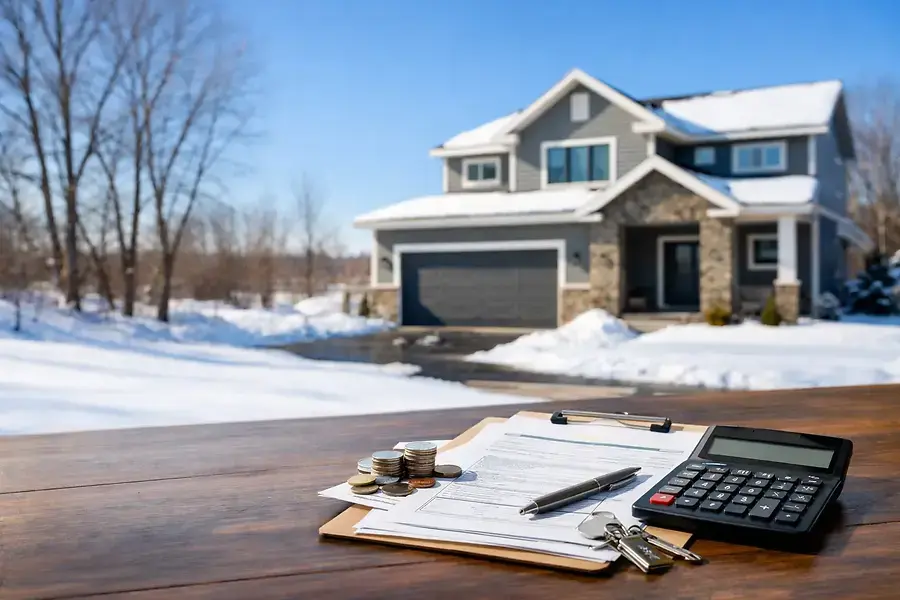
Introduction: Why Minnesota Property Taxes Matter for Homebuyers
When purchasing a home in Minnesota, most buyers focus on the purchase price and mortgage payments. However, property taxes represent a significant ongoing cost that can substantially impact your total homeownership expenses. Unlike mortgage payments that eventually end, property taxes continue for as long as you own your home, making them a critical factor in your long-term financial planning.
Minnesota's property tax system is complex, with rates varying by county and municipality. Understanding how these taxes are calculated and what factors influence your bill can help you make more informed decisions about where to buy and how to manage your finances as a homeowner. This guide will walk you through the essentials of Minnesota property taxation.
How Minnesota Calculates Residential Property Taxes and Assessment Values
The Assessment Process
Minnesota property taxes begin with property assessments, which determine the taxable value of your home. County assessors evaluate residential properties based on several factors, including:
- The property's location and neighborhood characteristics
- The home's age, condition, and structural features
- Recent comparable sales in the area
- Square footage and lot size
- Special features such as garages, decks, or renovations
Assessments typically occur every four years in Minnesota, though some counties may reassess more frequently. It's important to note that assessed value differs from market value—your home's assessed value is used specifically for tax calculation purposes.
Tax Rate Calculation
Once your property's assessed value is determined, Minnesota applies a tax rate to calculate your annual bill. The tax rate varies significantly by location and includes contributions to:
- Local city or township services
- County government operations
- School district funding
- Special taxing districts (parks, libraries, etc.)
Minnesota homeowners benefit from a homestead property tax exemption, which reduces the taxable value of primary residences. This exemption can result in meaningful savings compared to non-homestead properties in the same area.
Understanding Your Property Tax Statement
Your annual property tax statement breaks down exactly how your taxes are allocated.
Take time to review this document carefully—it shows the assessed value, tax rate, and the portion going to each taxing authority.If you believe your assessment is inaccurate, Minnesota law allows you to file a formal appeal within specific timeframes.
Strategies to Minimize Your Property Tax Burden on Minnesota Homes
Challenge Your Assessment
If you believe your home's assessed value is too high, you have the right to challenge it. Gather evidence such as recent appraisals, comparable sales data, or documentation of needed repairs that might justify a lower valuation. Many homeowners successfully reduce their tax bills through this process.
Apply for Available Exemptions and Credits
Minnesota offers several tax relief programs for eligible homeowners:
- Homestead Exemption: Available to owner-occupied primary residences
- Agricultural Exemption: For properties used in farming operations
- Property Tax Refund: A state program providing refunds to low and moderate-income homeowners
- Senior Citizen Exemption: Additional relief for qualifying seniors
Review your eligibility for these programs annually, as circumstances change and new opportunities may become available.
Consider Location Strategically
Property tax rates vary dramatically across Minnesota. Before purchasing, compare tax rates in different communities. A home in one municipality might have significantly lower taxes than an identical home in a neighboring area. This difference can amount to thousands of dollars over your ownership period.
Maintain Your Home's Condition
While this may seem counterintuitive, keeping your home well-maintained can actually help during assessments. Assessors note significant deferred maintenance, which can negatively impact your valuation. Conversely, major improvements might increase your assessed value, so weigh renovation decisions carefully against potential tax implications.
Stay Informed About Tax Changes
Monitor local government budgets and tax rate discussions in your community. Attending city council or school board meetings can help you understand upcoming changes that might affect your property taxes. Being proactive allows you to plan accordingly.
Conclusion: Making Informed Decisions About Minnesota Property Ownership
Property taxes are a permanent part of homeownership in Minnesota, but they don't have to be a surprise or burden. By understanding how assessments work, knowing what exemptions you qualify for, and actively managing your tax situation, you can significantly reduce your overall homeownership costs.
The key is to educate yourself before and after your purchase. Review your assessment when it arrives, explore available tax relief options, and consider property taxes as a major factor in your home-buying decision. With careful planning and attention to these details, you'll be better positioned to make financially sound decisions about residential property ownership in Minnesota.
Remember: an informed homeowner is an empowered homeowner. Take control of your property tax situation today.


