Understanding Property Taxes in Northern Virginia Real Estate
Learn how property taxes impact your home purchase and investment strategy in Ashburn, Centreville, Chantilly, and surrounding Northern Virginia communities.

Introduction: Why Property Taxes Matter for Northern Virginia Homebuyers
Property taxes represent one of the most significant ongoing costs of homeownership in Northern Virginia. Unlike mortgage payments that eventually end, property taxes continue throughout your ownership and can substantially impact your long-term investment returns. For prospective homebuyers in Ashburn, Centreville, Chantilly, and surrounding communities, understanding how property taxes work is essential to making informed financial decisions.
Northern Virginia's real estate market is competitive and dynamic, with property values consistently appreciating. However, this appreciation directly influences your tax obligations, making it crucial to factor in these costs when evaluating whether a property fits your budget and investment goals.
How Property Tax Assessments Work Across Northern Virginia Counties
The Assessment Process
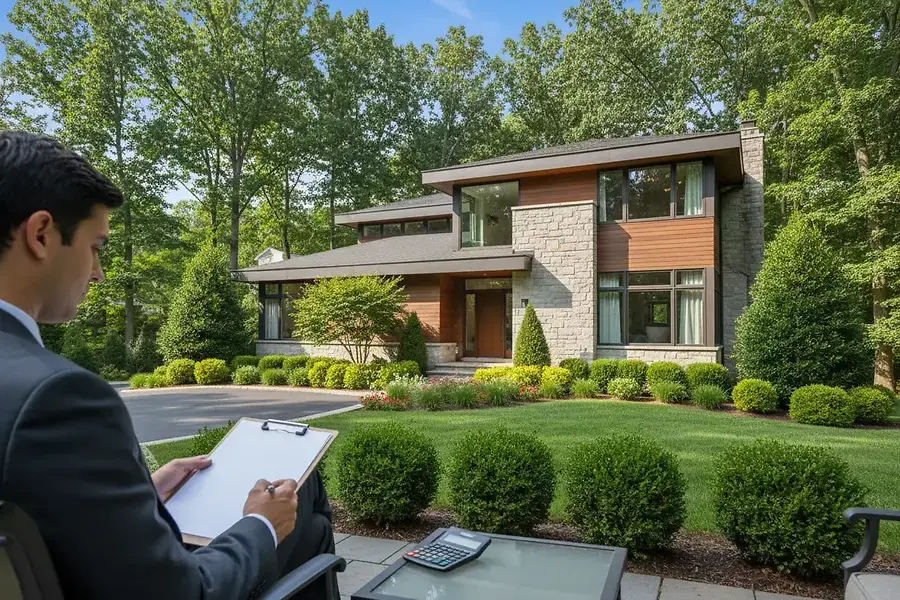
Property tax assessments in Northern Virginia are conducted by county assessors who evaluate your home's fair market value. This assessment determines the tax base upon which your annual property tax bill is calculated. The process typically involves:
- Physical inspections: Assessors may visit your property to evaluate its condition, size, and features
- Market analysis: Recent comparable sales in your area are analyzed to determine fair market value
- Data review: Property records, improvements, and renovations are examined
- Appeal opportunities: Homeowners can challenge assessments they believe are inaccurate
Understanding Tax Rates and Millage
Property tax rates in Northern Virginia are expressed as a millage rate—the amount of tax per $1,000 of assessed property value. Different counties and municipalities set their own rates based on local budget needs. For example, Loudoun County (which includes Ashburn and Chantilly) and Fairfax County (which includes Centreville) have different millage rates that directly affect your annual tax bill.
Pro tip: A property assessed at $500,000 with a millage rate of 0.85 would result in an annual property tax bill of approximately $4,250.
Comparing Tax Rates and Costs in Popular Northern Virginia Communities
Loudoun County Communities
Ashburn and Chantilly, located in Loudoun County, have become increasingly popular with families and professionals seeking proximity to technology corridors and quality schools. Loudoun County's property tax rates are competitive compared to neighboring jurisdictions, though they have increased modestly in recent years due to infrastructure demands and school system expansion.
Fairfax County Communities
Centreville, situated in Fairfax County, offers excellent schools and established neighborhoods. Fairfax County typically maintains slightly higher tax rates than Loudoun County, reflecting its mature infrastructure and highly-rated school system. However, this investment in education often translates to stronger property value appreciation.
Factors Affecting Your Specific Tax Bill
Beyond the millage rate, several factors influence your property tax burden:
- Homestead exemptions: Virginia offers exemptions for primary residences that can reduce your tax liability
- Age of property: Older homes may have lower assessments if they lack modern amenities
- Property improvements: Renovations and additions can increase your assessed value
- School district: Properties in highly-rated school districts often command higher assessments
- Location and proximity: Proximity to employment centers, transportation, and amenities affects value
Strategies to Minimize Tax Burden and Maximize Your Investment
Challenge Your Assessment
If you believe your property has been overassessed, you have the right to appeal. Gather comparable sales data from your neighborhood and submit evidence supporting a lower valuation. Many homeowners successfully reduce their tax burden through this process.
Take Advantage of Available Exemptions
Virginia provides several exemptions and deferrals:
- Homestead exemption: Reduces the assessed value of your primary residence
- Senior citizen exemptions: Available for qualifying seniors
- Disabled veteran exemptions: Special provisions for eligible veterans
- Agricultural exemptions: For properties used in farming or forestry
Plan for Tax Increases
When evaluating properties in Northern Virginia, budget for potential tax increases. While rates may remain stable, property value appreciation will increase your tax bill over time. This is actually a positive indicator of your investment's growth, but it's important to plan accordingly.
Consider Long-Term Investment Value
Higher property taxes in communities with excellent schools and strong appreciation potential often represent a sound investment. The quality of life, school system performance, and property value growth in areas like Ashburn, Centreville, and Chantilly frequently justify the tax investment.
Work with Real Estate Professionals
Real estate agents and tax professionals can provide valuable insights into tax implications of specific properties and neighborhoods. They can help you understand how taxes will affect your overall investment returns and identify properties that offer the best value relative to their tax burden.
Conclusion: Making Informed Decisions About Property Taxes in Your Next Home Purchase
Property taxes are a critical component of homeownership costs in Northern Virginia, but they shouldn't be viewed in isolation. Instead, consider them as part of your overall investment strategy. Communities like Ashburn, Centreville, and Chantilly offer strong property appreciation potential that often outpaces tax increases, making them attractive long-term investments.
By understanding how assessments work, comparing rates across communities, and implementing tax-minimization strategies, you can make informed decisions that align with your financial goals. Take time to research your target communities, review comparable properties, and consult with professionals who understand the Northern Virginia market.
Remember: the lowest tax rate doesn't always mean the best investment. Focus on finding properties in strong communities where appreciation potential and quality of life justify your tax investment.
As you navigate the Northern Virginia real estate market, let property tax knowledge empower you to make confident, strategic decisions about your next home purchase.