Understanding Property Taxes in Northern Virginia Residential Communities
Learn how property tax assessments work and what homeowners should expect when buying in Alexandria, Arlington, Fairfax, and surrounding areas.

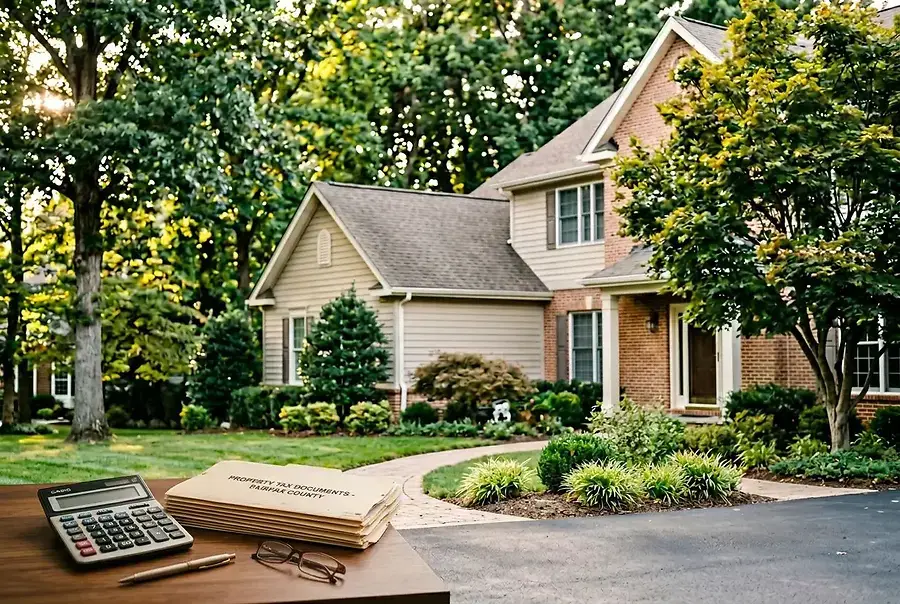
Property Taxes as a Hidden Cost of Homeownership
When prospective homeowners begin their search for the perfect property in Northern Virginia, they often focus on the mortgage payment, down payment, and closing costs. However, one significant expense frequently catches new homeowners off guard: property taxes. Unlike your mortgage payment, which eventually ends, property taxes are a perpetual obligation that increases over time and can substantially impact your annual budget.
Property taxes fund essential community services including public schools, infrastructure maintenance, emergency services, and local government operations. In Northern Virginia, these taxes represent a meaningful portion of homeownership costs, particularly in desirable communities like Alexandria, Arlington, and Fairfax. Understanding how these taxes are calculated and what you can expect to pay is crucial for making informed real estate decisions.
The key to financial planning is knowing what to expect. By understanding property tax structures before you purchase, you can accurately calculate your total cost of ownership and avoid budget surprises down the road.
How Property Tax Assessments Are Calculated in Northern Virginia
The Assessment Process
Property tax assessments in Northern Virginia begin with the local assessor's office, which determines the assessed value of your property. This value is not necessarily the same as your purchase price. Assessors evaluate multiple factors including:
- Property size and lot dimensions
- Building age and condition
- Square footage and layout
- Recent comparable sales in the area
- Special features and improvements
- Market trends and economic conditions
The assessed value serves as the foundation for calculating your property tax bill. Once the assessment is complete, the local tax rate—expressed as a percentage or per $100 of assessed value—is applied to determine your annual tax obligation.
Tax Rate Structure
Northern Virginia communities use different tax rate structures. Some jurisdictions apply a single rate to all residential properties, while others use tiered systems based on property value ranges. It's essential to understand your specific jurisdiction's approach before purchasing, as this directly affects your tax liability.
For example, a property assessed at $500,000 in one community might generate a significantly different tax bill than an identical property in a neighboring jurisdiction due to varying tax rates and assessment methodologies.
Assessment Appeals and Adjustments
If you believe your property has been overassessed, most Northern Virginia jurisdictions allow homeowners to file appeals. The appeal process typically involves submitting evidence of comparable properties or hiring an independent appraiser to challenge the assessment. Many homeowners successfully reduce their tax burden through this process, making it worth exploring if you have concerns about your assessment.
Comparing Tax Rates Across Popular Residential Communities
Alexandria
Alexandria maintains one of the higher property tax rates in the region, reflecting its investment in excellent schools, historic preservation, and waterfront amenities. Homeowners in Alexandria should budget accordingly, as taxes on a $600,000 home can exceed $8,000 annually. However, this investment translates to strong property values and exceptional community services.
Arlington
Arlington County is known for outstanding public schools and urban amenities, which come with correspondingly higher property taxes. The tax rate here is competitive with Alexandria, and combined with the area's premium property values, annual tax bills can be substantial. First-time buyers should factor this into their affordability calculations.
Fairfax
Fairfax offers a slightly lower tax rate compared to Alexandria and Arlington, though it still maintains excellent schools and services. This makes Fairfax attractive to budget-conscious homeowners seeking quality communities. The tax differential between Fairfax and its neighboring jurisdictions can amount to thousands of dollars annually on comparable properties.
Surrounding Communities
Communities throughout Northern Virginia—including Falls Church, Loudoun County, and Prince William County—offer varying tax rates and assessment approaches. Comparing tax obligations across multiple communities should be part of your home-buying research, as the difference can significantly impact your long-term financial planning.
Pro Tip: Use online property tax calculators provided by local assessor offices to estimate your potential tax liability before making an offer on a property. This simple step can prevent budget surprises.
Planning Your Budget with Property Taxes in Mind
Total Cost of Ownership
When evaluating a property purchase, calculate your total cost of ownership, which includes:
- Mortgage principal and interest
- Property taxes
- Homeowners insurance
- HOA fees (if applicable)
- Maintenance and repairs
- Utilities
Property taxes often represent 15-25% of your total annual housing costs, making them a critical component of your budget. Ignoring this expense during the purchasing process can lead to financial strain.
Tax Increases and Planning Ahead
Property tax assessments typically increase annually, though the rate of increase varies by jurisdiction and market conditions. Plan for modest annual increases when budgeting for homeownership. A property that costs $6,000 in taxes today might cost $6,300 next year, requiring flexibility in your financial planning.
Maximizing Deductions and Exemptions
Northern Virginia offers various tax relief programs for eligible homeowners, including exemptions for seniors, disabled individuals, and veterans. Additionally, homeowners can often deduct property taxes on their federal income tax returns. Consult with a tax professional to ensure you're taking advantage of all available benefits.
Working with Real Estate Professionals
Experienced real estate agents and financial advisors in Northern Virginia understand local tax structures and can provide valuable guidance. Don't hesitate to ask questions about property taxes during the home-buying process—these professionals can help you make informed decisions based on your financial situation and long-term goals.
Property taxes are an unavoidable aspect of homeownership in Northern Virginia, but they need not be a source of financial stress. By understanding how assessments work, comparing rates across communities, and planning your budget accordingly, you can make confident decisions about your real estate investment. Take time to research your specific community's tax structure, and you'll be well-prepared for the financial responsibilities of homeownership.