Understanding Property Taxes in Rochester, Lanesboro & Minneapolis
Learn how local tax rates and assessment practices affect your home's true cost of ownership across Minnesota's residential markets.

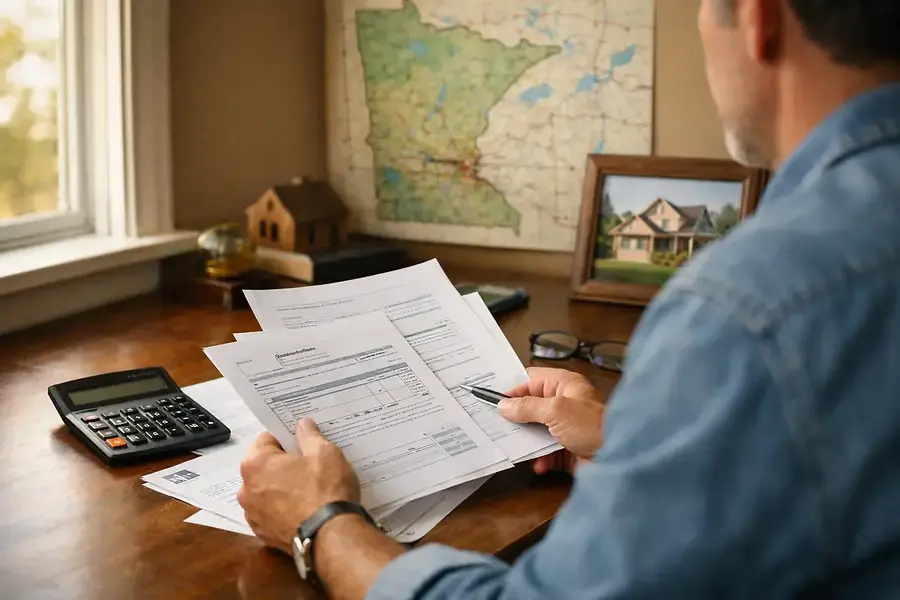
Why Property Taxes Matter to Homeowners
Property taxes represent one of the largest ongoing expenses for homeowners, yet many people don't fully understand how they're calculated or how they affect their total cost of ownership. Whether you're purchasing your first home or considering a move within Minnesota, understanding property tax implications is crucial to making informed financial decisions.
Unlike mortgage payments that eventually end, property taxes continue for as long as you own your home. In Minnesota's residential markets—particularly in Rochester, Lanesboro, and Minneapolis—property tax rates vary significantly, which can mean thousands of dollars in differences over the life of your homeownership. These taxes fund essential services including schools, roads, emergency services, and local infrastructure that directly impact your community's quality of life.
The true cost of homeownership extends far beyond your monthly mortgage payment. Property taxes, combined with insurance and maintenance costs, can substantially increase your annual housing expenses. Understanding these costs upfront helps you budget more accurately and avoid financial surprises down the road.
Property Tax Rates and Assessment Methods in Rochester, Lanesboro & Minneapolis
How Property Taxes Are Calculated
Property taxes in Minnesota are calculated using a straightforward formula: your home's assessed value multiplied by the local tax rate equals your annual property tax bill. However, the assessed value isn't necessarily what you paid for your home or what it's currently worth on the market.
Minnesota uses a market-value assessment system, meaning properties are assessed at their estimated fair market value. County assessors conduct periodic reassessments to ensure valuations remain current with market conditions. This process can significantly impact your tax bill, especially in areas experiencing rapid appreciation like Minneapolis.
Rochester's Property Tax Landscape
Rochester, located in Olmsted County, has a property tax rate that reflects the area's growing population and infrastructure needs. The city's steady economic growth and strong healthcare sector have contributed to relatively stable property values and predictable tax assessments.
- Rochester's tax rate is competitive compared to other Minnesota cities
- The area benefits from strong commercial development that helps distribute the tax burden
- Residential properties are typically reassessed every four years
- The Mayo Clinic's presence provides economic stability to the region
Lanesboro's Unique Tax Situation
Lanesboro, a smaller community in Fillmore County, offers a different tax environment. As a rural area with a smaller tax base, property tax rates may be higher per dollar of assessed value, though actual tax bills tend to be lower due to lower property values.
- Smaller communities often have higher tax rates but lower absolute tax bills
- Lanesboro's rural character means lower property values overall
- The community's tax base is more sensitive to individual property assessments
- Local services are funded through a more concentrated tax base
Minneapolis' Dynamic Market
Minneapolis presents a more complex property tax scenario due to its large, diverse housing market and rapid appreciation in many neighborhoods. The city's property tax rate is among the higher in the state, reflecting the cost of maintaining urban infrastructure and services.
- Minneapolis has experienced significant property value appreciation in recent years
- Tax rates vary slightly by neighborhood and school district
- The city's comprehensive services justify higher tax rates
- Properties are reassessed annually in Minneapolis, creating more frequent adjustments
Strategies to Manage and Appeal Your Property Tax Assessment
Understanding Your Assessment Notice
When you receive your property assessment notice, take time to review it carefully. The notice includes your property's assessed value, which is the foundation for your tax calculation. Compare this value to recent sales of similar properties in your area. If the assessment seems significantly higher than comparable homes, you may have grounds for an appeal.
Preparing for a Tax Appeal
If you believe your property has been overassessed, Minnesota law allows you to file an appeal. Here's what you should do:
- Gather comparable sales data from recent home sales in your neighborhood
- Document any property defects or issues that might lower value, such as foundation problems or outdated systems
- Review the assessor's property record card for errors in square footage, lot size, or condition ratings
- Meet the filing deadline, which typically occurs within 30 days of receiving your assessment notice
- Prepare a written statement explaining why you believe the assessment is incorrect
Long-Term Tax Management Strategies
Beyond appeals, several strategies can help manage your property tax burden:
Homestead Property Tax Exemption: Minnesota homeowners may qualify for a homestead exemption that reduces the taxable value of their primary residence. This can result in significant annual savings for eligible homeowners.
Senior Citizen Property Tax Deferral: Seniors age 65 and older may defer property taxes on their homes, paying them back through their estate after the property is sold.
Agricultural Land Classification: If your property qualifies as agricultural land, you may receive preferential tax treatment with lower assessment rates.
Regular Maintenance Records: Keep detailed records of home improvements and maintenance. This documentation can be valuable if you need to appeal an assessment or explain property condition to assessors.
Working with Professionals
Consider consulting with a property tax professional or real estate attorney if you're facing a significant assessment increase. These professionals understand local assessment practices and can effectively represent your interests in the appeal process. The cost of professional assistance is often offset by successful tax reductions.
Making Informed Decisions About Your Residential Investment
Property taxes are a critical component of homeownership costs that deserve careful attention and planning. Whether you're evaluating homes in Rochester's stable market, considering Lanesboro's rural charm, or navigating Minneapolis' dynamic urban landscape, understanding local tax implications helps you make better financial decisions.
Take the time to research property tax rates in your target area, review your assessment notices carefully, and don't hesitate to appeal if you believe your assessment is incorrect. By staying informed and proactive, you can better manage this significant ongoing expense and ensure your residential investment aligns with your long-term financial goals.
Remember that property taxes fund the services and infrastructure that make your community desirable. While managing your tax burden is important, these taxes ultimately contribute to the quality of life and property values in your neighborhood.