Understanding Property Taxes in South Texas Residential Communities
A practical guide to managing residential property tax assessments in San Antonio, New Braunfels, Seguin, Von Ormy, and Universal City.

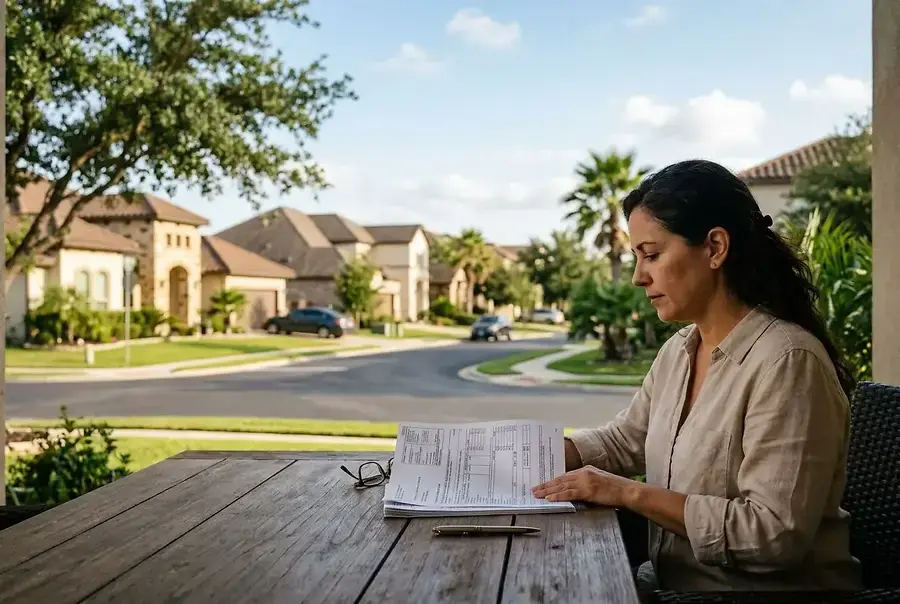
Property Tax Rates and Assessment Basics Across South Texas
Property taxes in South Texas vary significantly depending on your location and local taxing jurisdictions. Understanding the fundamentals of how property taxes work is essential for homeowners in San Antonio, New Braunfels, Seguin, Von Ormy, and Universal City. Each municipality has its own tax rate structure, which combines school district taxes, county taxes, city taxes, and special district assessments.
How Tax Rates Are Determined
Property tax rates are expressed as a percentage of your home's assessed value. In South Texas, the average effective tax rate typically ranges from 1.6% to 2.2% of property value annually, though this can vary by specific location. The Bexar County Appraisal District and other local appraisal districts are responsible for assessing property values and determining your tax obligations.
Your property tax bill is calculated by multiplying your home's assessed value by the combined tax rate of all applicable taxing units. This means that understanding both your property's appraised value and the local tax rates is crucial for accurate budgeting.
Key Components of Your Tax Bill
- School District Taxes: Typically the largest portion of your property tax bill, funding local education
- County Taxes: Support county services and infrastructure
- City/Municipal Taxes: Fund local city services and development
- Special District Assessments: May include water, fire, or other specialized services
How Home Values Impact Your Annual Tax Obligations
The assessed value of your home is the primary driver of your property tax bill. When your home's value increases, so does your tax obligation. This relationship is straightforward but often misunderstood by homeowners.
Understanding Property Appraisals
Local appraisal districts conduct annual assessments of residential properties to determine their market value. These appraisals consider factors such as:
- Square footage and lot size
- Age and condition of the property
- Recent comparable sales in the area
- Improvements and upgrades
- Location and neighborhood characteristics
In rapidly growing areas like San Antonio and Universal City, property values have appreciated significantly, leading to higher tax assessments. Homeowners should monitor their appraisal notices carefully to ensure accuracy.
The Impact of Home Improvements
While home improvements increase your property's value and appeal, they can also trigger higher property tax assessments. Major renovations, additions, or upgrades may result in a reassessment of your home's value. It's important to weigh the benefits of improvements against potential tax implications.
Strategies for Appealing Assessments and Reducing Tax Burden
If you believe your property has been overvalued, you have the right to appeal your assessment. This process is available to homeowners throughout South Texas and can result in significant tax savings.
The Appeal Process
Most appraisal districts in South Texas follow a similar appeal timeline. Homeowners typically have a window of time after receiving their appraisal notice to file a formal protest. The process generally involves:
- Gathering evidence of your property's actual market value
- Documenting comparable sales of similar properties
- Submitting your appeal to the local appraisal district
- Attending an informal hearing or formal review if necessary
Building Your Case
Successful appeals require solid documentation and evidence. Collect recent appraisals, comparable property sales data, photographs of any property defects, and repair estimates for needed maintenance. Professional appraisers can provide valuable support in challenging assessments, particularly for higher-value properties.
Homestead Exemptions and Other Tax Relief
Texas offers homestead exemptions that can reduce your property tax burden. Eligible homeowners may receive exemptions on a portion of their home's value, resulting in lower annual taxes. Additionally, some South Texas communities offer tax abatement programs for new construction or property improvements.
Tip: Ensure you've applied for all available exemptions and tax relief programs. Missing out on these benefits can cost you thousands of dollars over time.
Budgeting for Property Taxes When Buying in Different South Texas Areas
When purchasing a home in South Texas, property taxes should be a significant factor in your financial planning. Different areas have different tax rates and property values, affecting your overall housing costs.
Comparing Tax Burdens Across Communities
San Antonio, New Braunfels, Seguin, Von Ormy, and Universal City each have distinct tax profiles. San Antonio, as the largest metropolitan area, offers diverse neighborhoods with varying tax rates. New Braunfels and Universal City are growing communities with competitive property values. Seguin and Von Ormy offer more affordable options but may have different service levels and tax structures.
Before making a purchase, calculate the estimated annual property tax on your potential home. This calculation should include:
- The property's assessed value
- All applicable tax rates in that jurisdiction
- Any available exemptions you qualify for
- Potential future appreciation and tax increases
Long-Term Financial Planning
Property taxes typically increase annually, though the rate of increase varies by location. When budgeting for homeownership, plan for modest annual increases in your tax obligations. This ensures you won't face unexpected financial strain as your taxes grow over time.
Consider working with a financial advisor or real estate professional who understands South Texas property tax structures. They can help you make informed decisions about which community best fits your budget and long-term financial goals.
Final Thoughts
Understanding property taxes is essential for South Texas homeowners. By familiarizing yourself with assessment basics, monitoring your home's appraised value, exploring appeal options, and budgeting appropriately, you can manage your tax obligations effectively. Whether you're buying in San Antonio, New Braunfels, Seguin, Von Ormy, or Universal City, taking time to understand your local tax structure will pay dividends for years to come.


