Understanding Property Taxes in Southern Illinois Home Markets
Discover how property tax assessments impact your home's true cost in Du Quoin, Nashville, Pinckneyville, Tamaroa, Marion, and Sparta.

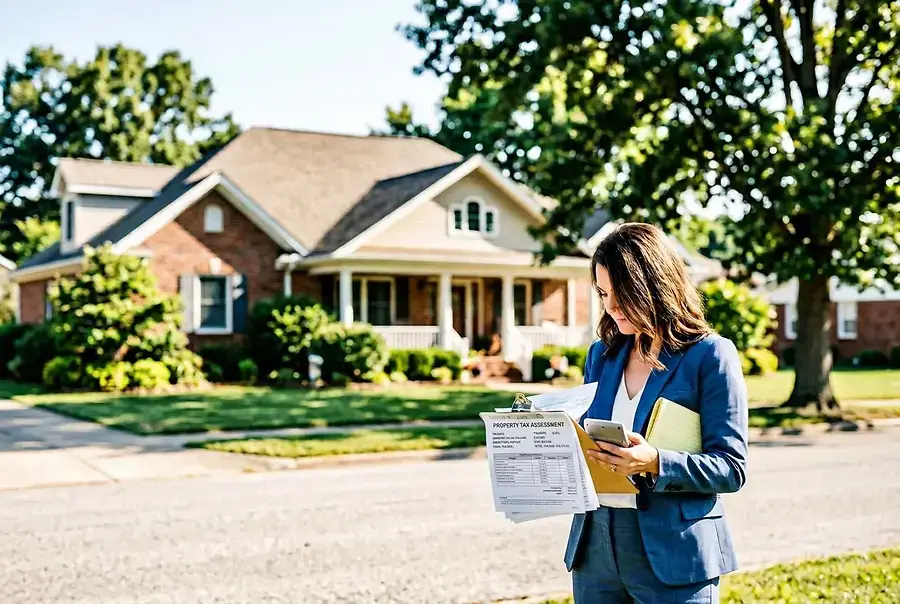
Why Property Taxes Matter in Southern Illinois Real Estate
When purchasing a home in Southern Illinois, most buyers focus on the purchase price and mortgage payments. However, property taxes represent a significant ongoing cost that directly impacts your total cost of homeownership. In communities like Du Quoin, Nashville, Pinckneyville, Tamaroa, Marion, and Sparta, property tax assessments can vary considerably, making it essential to understand how these taxes are calculated and what you can expect to pay annually.
Property taxes fund critical local services including schools, fire departments, police protection, and infrastructure maintenance. In Perry County and surrounding areas, these taxes are assessed based on your property's value and the local tax rates established by county assessors and municipal governments. Understanding this system helps you budget more accurately and avoid surprises when tax bills arrive.
How Property Tax Assessments Are Calculated in Perry County and Surrounding Areas
The Assessment Process
Property tax assessments begin with a professional evaluation of your home's market value. County assessors in Perry County conduct periodic assessments to determine the fair market value of residential properties. This valuation considers several factors:
- Property size and square footage of the home and lot
- Age and condition of the structure and major systems
- Location and neighborhood characteristics that affect desirability
- Recent comparable sales in the immediate area
- Special features and improvements such as updated kitchens or additions
From Assessment to Tax Bill
Once your property's assessed value is determined, the calculation becomes straightforward. The assessor applies the local tax rate (expressed as a percentage or per $100 of assessed value) to arrive at your annual tax obligation. For example, if your home is assessed at $150,000 and the local tax rate is 1.2%, your annual property tax would be $1,800.
It's important to note that assessed values are typically lower than market values. Most Illinois counties assess properties at a percentage of their fair market value, which provides some relief to homeowners. Additionally, homeowners may qualify for exemptions or assessment reductions based on age, disability, or other circumstances.
Comparing Tax Rates Across Du Quoin, Nashville, Pinckneyville, Tamaroa, Marion, and Sparta
Understanding Rate Variations
Property tax rates vary significantly across Southern Illinois communities due to differences in local government spending, school district budgets, and municipal services. A home with the same market value can have substantially different tax bills depending on its location.
Several factors influence these variations:
- School district funding needs – districts with higher operational costs typically have higher tax rates
- Municipal services and infrastructure – communities investing heavily in services may have higher rates
- County and township assessments – different jurisdictions have different spending priorities
- Special assessment districts – some areas have additional taxes for specific projects or services
Regional Comparison Insights
While specific rates fluctuate annually based on local budgets, Southern Illinois communities generally fall within a moderate tax range compared to state and national averages. Du Quoin, Nashville, Pinckneyville, Tamaroa, Marion, and Sparta each serve different populations and have unique service requirements, which explains their varying tax structures.
Prospective homebuyers should request current tax information from local assessor offices or real estate professionals familiar with each community. This allows you to compare the true cost of homeownership across different areas and make decisions aligned with your budget and lifestyle preferences.
Appealing Your Assessment
If you believe your property has been assessed too high, you have the right to appeal the assessment. Most counties have formal appeal processes where you can present evidence of overvaluation. This might include recent appraisals, comparable sales data, or documentation of property defects. Successfully appealing an assessment can result in meaningful tax savings over time.
Making Informed Decisions About Property Ownership in Southern Illinois
Understanding property taxes is crucial for making sound real estate decisions in Southern Illinois. Before purchasing a home in Du Quoin, Nashville, Pinckneyville, Tamaroa, Marion, or Sparta, take these steps:
- Research current tax rates in your target community and compare them to other areas
- Calculate estimated annual taxes on properties you're considering using assessed values and current rates
- Factor property taxes into your total housing budget alongside mortgage, insurance, and maintenance costs
- Ask your real estate agent about tax trends and any upcoming rate changes
- Review exemptions and deductions you may qualify for as a homeowner
Property taxes are not just a line item on your annual bill – they're an investment in your community's schools, safety, and infrastructure. By understanding how they're calculated and comparing rates across Southern Illinois communities, you can make informed decisions that align with your financial goals and lifestyle preferences.
Whether you're a first-time homebuyer or an experienced investor, taking time to understand property tax assessments in Perry County and surrounding areas will serve you well. This knowledge empowers you to negotiate better, budget more accurately, and ultimately make the best decision for your family's future in Southern Illinois.