Understanding Property Taxes in Sparta, NJ Residential Homes
Learn how property taxes impact your home investment and what to expect as a Sparta homeowner.

Why Property Taxes Matter for Homeowners
Property taxes are one of the most significant ongoing expenses for homeowners, and understanding them is crucial for making informed financial decisions about your Sparta, NJ home. Unlike mortgage payments, which eventually end, property taxes continue for as long as you own your home. These taxes fund essential services in your community, including schools, emergency services, infrastructure maintenance, and local government operations.
For Sparta homeowners, property taxes can represent a substantial portion of your annual housing costs. By understanding how these taxes are calculated and what factors influence them, you can better plan your budget and potentially identify opportunities to reduce your tax burden. This knowledge empowers you to make smarter decisions about your home investment and long-term financial planning.
Breaking Down Sparta's Tax Rates and Assessment Process
Understanding Sparta's Tax Structure
Sparta, located in Sussex County, New Jersey, has a property tax system that reflects both municipal and county needs. The tax rate in Sparta is determined by dividing the total amount of revenue needed by the total assessed property value in the municipality. This rate is expressed per $100 of assessed value, making it easier to calculate your individual tax obligation.
New Jersey is known for having some of the highest property tax rates in the nation, and Sparta is no exception. However, the exact rate varies based on several factors, including:
- Municipal budget needs – funding for local services and infrastructure
- County taxes – contributions to Sussex County services
- School district funding – typically the largest portion of property taxes
- Special assessments – for specific community improvements or services
The Property Assessment Process
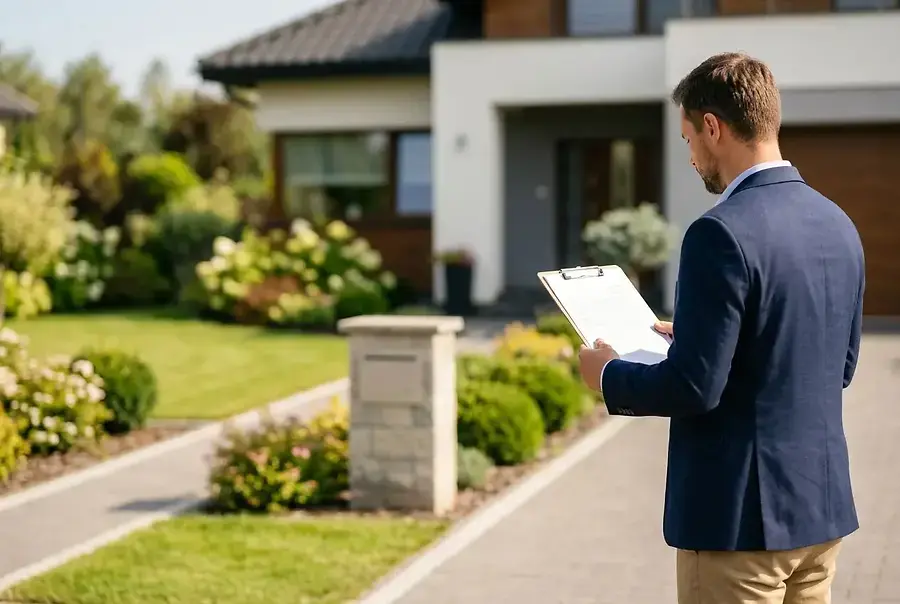
Before your property taxes can be calculated, your home must be assessed. The assessment is an estimate of your property's market value, conducted by the municipal assessor's office. This assessed value is not the same as your home's actual market value or what you paid for it.
In New Jersey, properties are assessed at 100% of their true market value, though this is updated periodically. The assessment process typically includes:
- Physical inspection of your property
- Evaluation of comparable sales in your area
- Analysis of property characteristics (size, condition, improvements)
- Review of recent market data
If you believe your assessment is inaccurate, you have the right to file a tax appeal. This is an important step that many homeowners overlook, as a successful appeal can result in significant tax savings.
Calculating Your Property Tax Bill
Once your property is assessed, calculating your tax bill is straightforward: Assessed Value × Tax Rate = Annual Property Tax. For example, if your home is assessed at $300,000 and the tax rate is 2.5% ($2.50 per $100), your annual property tax would be $7,500.
Strategies to Reduce Your Property Tax Burden
File a Tax Appeal
One of the most effective ways to reduce your property taxes is to challenge your assessment if you believe it's too high. You can file an appeal with the Tax Board of Appeals in Sparta. To strengthen your case, gather comparable sales data for similar homes in your neighborhood and document any property defects or needed repairs that might lower your home's value.
Explore Tax Exemptions and Credits
New Jersey offers several tax exemptions and credits that Sparta homeowners may qualify for, including:
- Senior Citizen Property Tax Deduction – for residents 65 and older
- Disabled Veteran's Exemption – for qualifying military veterans
- Homestead Property Tax Deduction – available to eligible homeowners
- Agricultural Property Tax Exemption – if your property qualifies
Contact the Sparta Tax Assessor's office to determine which programs you may be eligible for and how to apply.
Make Energy-Efficient Improvements
Some municipalities offer tax incentives for homeowners who make energy-efficient upgrades. Installing solar panels, upgrading insulation, or replacing old HVAC systems may qualify you for tax credits or exemptions in certain cases. Check with local authorities about current incentive programs.
Keep Detailed Records
Maintain thorough documentation of your property's condition and any improvements you make. This information is valuable if you need to file a tax appeal or apply for exemptions. Keep receipts for major repairs and upgrades, as well as photographs showing the current state of your home.
Stay Informed About Assessment Changes
Monitor your property assessment regularly. If you receive a notice of assessment change, review it carefully. Significant increases may warrant an appeal, especially if comparable properties in your area haven't increased proportionally.
Making Informed Decisions About Your Sparta Home Investment
Property taxes are a critical component of homeownership costs that deserve careful attention and planning. As a Sparta homeowner, understanding your tax obligations and exploring available strategies to reduce them can result in substantial savings over time.
Take action today by reviewing your current assessment, researching available exemptions, and considering whether filing an appeal makes sense for your situation. Don't hesitate to reach out to the Sparta Tax Assessor's office or consult with a tax professional if you have questions about your specific circumstances.
By staying informed and proactive about property taxes, you can maximize the value of your Sparta home investment and ensure your hard-earned money is being used wisely. Remember, every dollar saved in property taxes is a dollar you can invest in your home, your family, or your future.