Understanding Property Taxes in Tucson, Oro Valley, Marana & Vail
Learn how local property tax rates and assessment practices impact your real estate investment in Southern Arizona communities.

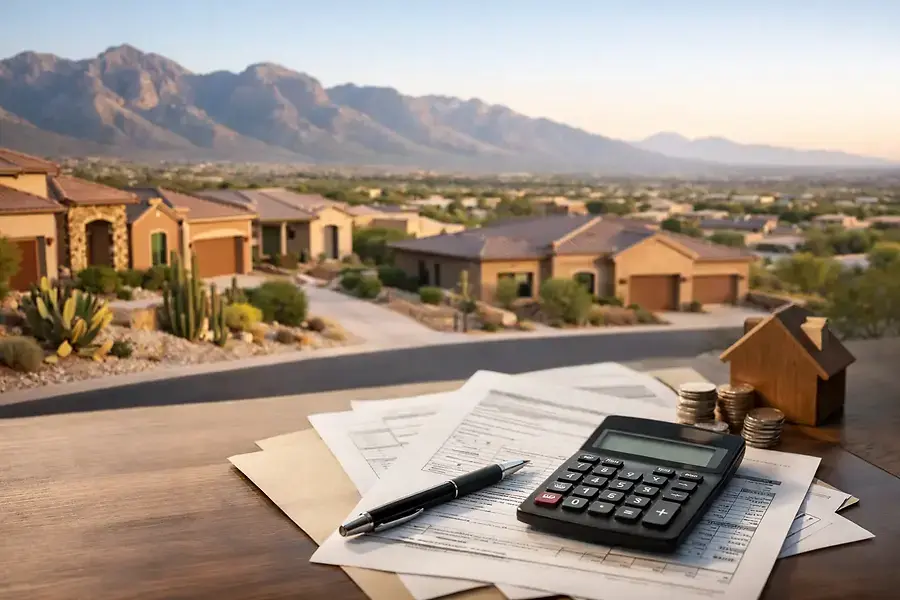
Introduction: The Role of Property Taxes in Your Real Estate Decision
When considering a real estate investment in Southern Arizona, most buyers focus on the purchase price and mortgage payments. However, property taxes represent a significant ongoing expense that directly impacts your total cost of ownership. Whether you're looking at homes in Tucson, Oro Valley, Marana, or Vail, understanding how property taxes work in each community is essential for making an informed financial decision.
Property taxes fund critical local services including schools, infrastructure, emergency services, and community development. In Arizona, these taxes are calculated based on the assessed value of your property and the local tax rate, which varies by jurisdiction. The difference between communities can be substantial, potentially affecting your long-term investment returns and monthly budget.
Property Tax Rates and Assessment Methods Across Tucson Area Communities
Understanding Arizona's Property Tax System
Arizona uses a unique property tax system based on the limited property tax approach. This means property taxes are capped at a percentage of the property's assessed value. The assessed value is typically 10% of the property's full cash value, which helps keep tax rates relatively moderate compared to other states.
Key components of Arizona's property tax system include:
- Primary Tax Rate: Limited to 0.6% of assessed value for most residential properties
- Secondary Tax Rate: Additional levies for specific districts like schools and fire departments
- Exemptions: Homeowners may qualify for exemptions that reduce taxable value
- Annual Adjustments: Tax rates adjust based on inflation and district needs
Tucson Property Tax Considerations
As Arizona's second-largest city, Tucson has a diverse tax structure influenced by multiple taxing districts. Tucson property owners typically pay taxes to the city, Pima County, and various school districts. The combined tax rate in Tucson generally ranges from 0.62% to 0.75% of assessed value, depending on your specific location and which districts serve your property.
Tucson offers several tax benefits for homeowners, including the homeowner exemption that can reduce your taxable value by up to $2,500. Additionally, seniors and disabled individuals may qualify for additional exemptions.
Oro Valley Tax Structure
Oro Valley, a growing community north of Tucson, typically has slightly different tax rates than Tucson proper. The town's tax rate generally falls in the 0.58% to 0.68% range, making it competitive with surrounding areas. Oro Valley residents benefit from the town's focus on quality schools and well-maintained infrastructure, which are reflected in the tax structure.
Marana and Vail Tax Rates
Marana and Vail, both rapidly developing communities in Pima County, offer varying tax rates based on their specific taxing districts. Marana's tax rates typically range from 0.60% to 0.72%, while Vail's rates are similarly structured. Both communities have invested heavily in schools and infrastructure, which influences their tax assessments.
These communities often attract families seeking newer homes and growing school districts, and their tax structures reflect investments in education and community services.
How Property Taxes Affect Your Home's Overall Cost of Ownership
Calculating Your Annual Property Tax Burden
Understanding your property tax obligation requires a simple calculation. Take your property's assessed value (10% of market value), multiply it by the applicable tax rate, and add any secondary district levies. For example, a $400,000 home with an assessed value of $40,000 and a 0.65% tax rate would result in approximately $260 in annual property taxes, plus additional district levies.
This ongoing expense should be factored into your monthly housing costs alongside mortgage payments, insurance, and maintenance.
Long-Term Financial Impact
Over a 30-year mortgage period, property taxes can represent a substantial portion of your total housing investment. A difference of just 0.1% in tax rates can mean thousands of dollars over time. When comparing properties across Tucson, Oro Valley, Marana, and Vail, calculating the total tax burden helps you understand the true cost of ownership in each community.
Property taxes are not just a yearly expense—they're a critical factor in determining your long-term return on investment and monthly affordability.
Tax Assessment and Appeals
Property assessments are conducted regularly by county assessors. If you believe your property has been overvalued, Arizona law allows you to file a formal appeal. Understanding the assessment process and knowing when to challenge an assessment can help protect your investment and potentially reduce your tax burden.
Most communities offer assessment review boards where property owners can present evidence of overvaluation, such as comparable sales data or property condition reports.
Planning for Tax Increases
While Arizona's property tax system includes caps on increases, taxes can still rise due to:
- Voter-approved bond measures for schools and infrastructure
- Changes in property assessment values
- Adjustments in secondary district levies
- New development impacting district funding needs
Smart real estate investors budget for potential tax increases and factor them into their long-term financial planning.
Conclusion: Making Informed Decisions About Your Local Real Estate Investment
Property taxes play a crucial role in your real estate investment decision, yet they're often overlooked during the home-buying process. By understanding how property taxes work in Tucson, Oro Valley, Marana, and Vail, you can make more informed decisions about where to invest.
Each community offers unique advantages and tax structures. Tucson provides urban amenities and diverse neighborhoods, Oro Valley offers growing schools and suburban charm, while Marana and Vail attract families seeking newer construction and expanding communities. The key is to evaluate property taxes alongside other factors like school quality, community growth, and property appreciation potential.
Before making your real estate investment, consult with a local tax professional or real estate advisor who understands the nuances of each community's tax structure. Request a detailed property tax estimate during your home search, and factor this ongoing expense into your overall investment analysis. With this knowledge, you'll be better positioned to make a sound financial decision that aligns with your long-term goals in Southern Arizona.