Understanding Property Taxes in Wichita's Residential Market
Learn how property assessments and tax rates impact your home buying budget in Kansas.

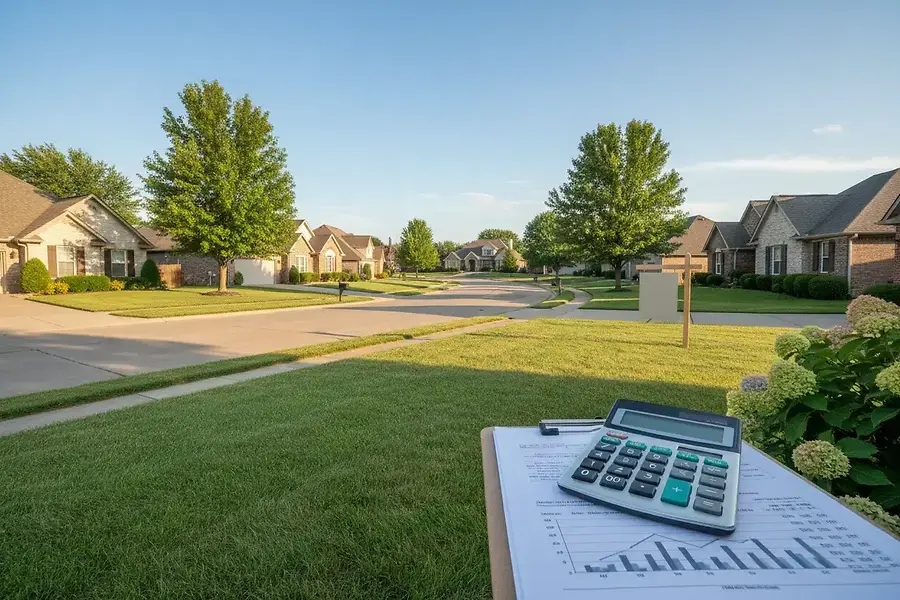
Why Property Taxes Matter for Homebuyers
When purchasing a home in Wichita, most buyers focus on the mortgage payment, down payment, and closing costs. However, property taxes represent a significant ongoing expense that directly impacts your total cost of homeownership. Unlike your mortgage, which eventually ends, property taxes continue for as long as you own your home.
Property taxes fund essential services in your community, including schools, infrastructure, emergency services, and local government operations. In Kansas, understanding how these taxes are calculated and what rates apply to your specific property is crucial for accurate budgeting. A difference of just 0.5% in tax rates can mean hundreds of dollars annually on a typical Wichita home.
For homebuyers, property taxes affect:
- Your monthly mortgage payment (if taxes are escrowed)
- Your overall affordability and purchasing power
- Long-term homeownership costs
- Return on investment when selling
How Wichita's Property Tax Assessment Process Works
The Assessment Foundation
Wichita's property tax system begins with the Sedgwick County Appraiser's Office, which assesses the value of all residential properties. This assessed value forms the foundation for calculating your annual property tax bill. The appraiser evaluates properties based on comparable sales, property characteristics, and market conditions.
The assessment process typically involves:
- Physical inspection: Appraisers evaluate the home's size, condition, age, and improvements
- Market analysis: Recent comparable sales in your area are reviewed
- Data collection: Information about lot size, square footage, and special features is recorded
- Value determination: A fair market value is assigned to your property
Tax Rate Calculation
Once your property is assessed, the tax rate is applied. In Kansas, property tax rates are expressed as a percentage of assessed value. Wichita's residential property tax rates typically range from 0.8% to 1.2% of assessed value, though this can vary by specific location and taxing jurisdiction.
Your final property tax bill is calculated by multiplying your assessed value by the applicable tax rate. For example, a home assessed at $250,000 with a 1.0% tax rate would result in an annual property tax bill of $2,500.
Assessment Appeals and Adjustments
If you believe your property has been assessed too high, Kansas law allows homeowners to appeal their assessment. The appeal process provides an opportunity to present evidence of lower comparable sales or property conditions that may justify a lower valuation. Many homeowners successfully reduce their tax burden through this process.
Comparing Tax Rates Across Wichita Neighborhoods
Neighborhood Variations
Property tax rates in Wichita vary significantly depending on which neighborhood and school district your home is located in. Different areas have different combinations of city, county, school district, and special taxing authorities, which all contribute to your total tax rate.
Generally, neighborhoods with higher-quality schools and more amenities tend to have slightly higher tax rates. However, these investments often translate to better property values and community services. Some popular Wichita neighborhoods include:
- East Wichita: Known for newer homes and family-friendly communities
- Central Wichita: Offers established neighborhoods with mature trees and character
- West Wichita: Features a mix of residential options and growing developments
- North Wichita: Includes both urban and suburban living options
Factors Affecting Your Specific Rate
Your property tax rate depends on more than just your neighborhood. Several factors influence the final amount you'll pay:
- School district: Different districts have different funding needs and tax rates
- Special taxing districts: Some areas have additional taxes for parks, libraries, or infrastructure
- City and county services: Proximity to services can affect tax allocation
- Property improvements: Additions or renovations may increase assessed value
- Homestead exemptions: Kansas offers exemptions for primary residences that can reduce taxes
Homestead Exemption Benefits
Kansas provides a homestead property tax exemption for owner-occupied residential properties. This exemption can reduce your property tax burden, making homeownership more affordable. Eligible homeowners should apply through the Sedgwick County Appraiser's Office to ensure they receive this benefit.
Making Tax-Informed Real Estate Decisions
Incorporating Taxes Into Your Budget
Smart homebuyers factor property taxes into their total housing budget from the beginning. When comparing homes in different neighborhoods, calculate the total annual property tax cost and add it to your estimated mortgage payment. This gives you a true picture of affordability.
Consider requesting a property tax estimate from your real estate agent or the county appraiser's office before making an offer. This information helps you avoid surprises after closing and ensures you're making financially sound decisions.
Long-Term Financial Planning
Property taxes typically increase over time as property values appreciate and tax rates adjust. When planning your long-term homeownership, budget for potential tax increases of 2-3% annually. This conservative estimate helps ensure your home remains affordable throughout your ownership period.
Remember: A home that seems affordable today may become a financial burden if property taxes increase significantly over the years. Planning ahead protects your investment.
Working With Real Estate Professionals
Experienced real estate agents and tax professionals in Wichita can provide valuable insights into property tax implications for specific properties and neighborhoods. Don't hesitate to ask questions about tax rates, assessment history, and potential future increases before making your purchase decision.
By understanding how property taxes work in Wichita's residential market, you'll make more informed decisions that align with your financial goals and long-term homeownership plans. Property taxes are a permanent part of homeownership, so taking time to understand them upfront pays dividends throughout your ownership journey.


