Understanding Property Taxes: Norfolk and Virginia Beach Homeowners Guide
Learn how property taxes are calculated and discover deductions available to residential homeowners in Hampton Roads.

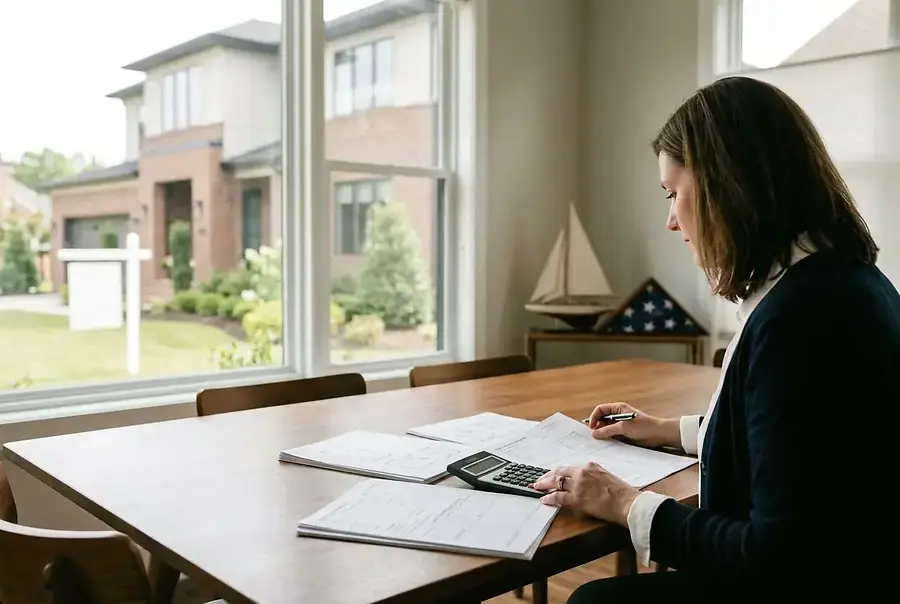
Introduction: Why Property Taxes Matter for Homeowners
Property taxes are one of the largest ongoing expenses for homeowners, yet many residents in Norfolk and Virginia Beach don't fully understand how they're calculated or what deductions they might qualify for. Whether you're a first-time homebuyer or a seasoned property owner, understanding your property tax obligations is essential to managing your household budget effectively.
Property taxes fund critical community services including schools, emergency services, infrastructure maintenance, and local government operations. In Hampton Roads, these taxes vary by locality and assessment value, making it important to understand the specifics of your area. By learning how taxes are calculated and what relief programs are available, you can make informed decisions about your homeownership investment.
How Property Taxes Are Calculated in Norfolk and Virginia Beach
Understanding the Assessment Process
Property taxes in Norfolk and Virginia Beach begin with a professional assessment of your home's value. Local assessors evaluate your property based on several factors including:
- Square footage and lot size
- Age and condition of the structure
- Recent comparable sales in your neighborhood
- Improvements and renovations
- Location and proximity to amenities
These assessments typically occur every few years, though they may be updated annually in some cases. It's important to review your assessment notice carefully and understand how your property's value was determined.
The Tax Rate and Calculation Formula
Once your property is assessed, the actual tax owed is calculated using a straightforward formula: Assessed Value × Tax Rate = Annual Property Tax.
Norfolk and Virginia Beach each set their own tax rates, which are expressed as a rate per $100 of assessed value. For example, if your home is assessed at $300,000 and the tax rate is $0.85 per $100, your annual property tax would be $2,550. These rates can change annually based on local government budgets and community needs.
Homestead Property Tax Exemption
Virginia offers a valuable benefit for homeowners through the Homestead Property Tax Exemption. This program allows eligible homeowners to reduce the assessed value of their primary residence, which directly lowers their property tax bill. The exemption amount varies by locality but can provide significant savings for qualifying homeowners.
To qualify, you must own and occupy the property as your primary residence. The exemption is not automatic—you must apply through your local assessor's office to receive this benefit.
Deductions and Tax Relief Programs Available to Residents
Senior Citizens and Disabled Persons Tax Relief
Virginia provides special tax relief programs for seniors and individuals with disabilities. Homeowners aged 65 and older, or those with permanent disabilities, may qualify for a deferral program that allows them to defer property taxes until the property is sold or transferred. This program is particularly beneficial for fixed-income homeowners who want to remain in their homes.
Additionally, some localities offer partial exemptions or deferrals for qualifying seniors and disabled persons. Contact your local assessor's office to learn about specific programs available in Norfolk or Virginia Beach.
Agricultural and Open Space Preservation
If your property qualifies as agricultural land or open space, you may be eligible for preferential tax assessment. This program encourages property owners to preserve land for agricultural use or conservation purposes by assessing the land based on its current use rather than its development potential. This can result in substantially lower tax bills for qualifying properties.
Historic Property Tax Credits
Homeowners who own properties designated as historic landmarks may qualify for tax credits when they undertake approved restoration or rehabilitation work. These credits recognize the value of preserving the area's architectural heritage while helping owners offset renovation costs.
Appealing Your Assessment
If you believe your property has been assessed at an unfair value, you have the right to appeal. The appeal process typically involves:
- Reviewing your assessment notice and supporting documentation
- Gathering evidence such as recent appraisals or comparable sales
- Filing a formal appeal with your local assessor's office
- Presenting your case at a hearing if necessary
Many homeowners successfully reduce their tax bills through the appeal process, making it worth investigating if you believe your assessment is too high.
Tax Relief for Disabled Veterans
Virginia honors the service of disabled veterans through special property tax exemptions. Veterans with service-connected disabilities rated by the Department of Veterans Affairs may qualify for a partial or complete exemption from property taxes, depending on their disability rating. This program recognizes the sacrifice of those who served our country.
Conclusion: Maximizing Your Homeownership Investment
Understanding property taxes is a crucial part of responsible homeownership in Norfolk and Virginia Beach. By familiarizing yourself with how taxes are calculated, you can better anticipate your annual expenses and plan your budget accordingly.
More importantly, taking advantage of available deductions and tax relief programs can result in significant savings. Whether you qualify for the Homestead Exemption, senior tax relief, or other programs, these benefits can substantially reduce your property tax burden.
Take action today: Review your property assessment, explore which tax relief programs you may qualify for, and don't hesitate to appeal if you believe your assessment is inaccurate. Contact your local assessor's office in Norfolk or Virginia Beach for personalized guidance. By staying informed and proactive, you can maximize the value of your homeownership investment and keep more money in your pocket.
Remember, property taxes are an investment in your community's future. Understanding them helps you make better financial decisions while supporting the services that make Hampton Roads a great place to live.