Understanding Property Values Across Central Indiana's Five Counties
Learn how location, market trends, and local factors influence home prices in Hamilton, Hendricks, Boone, Johnson, and surrounding areas.

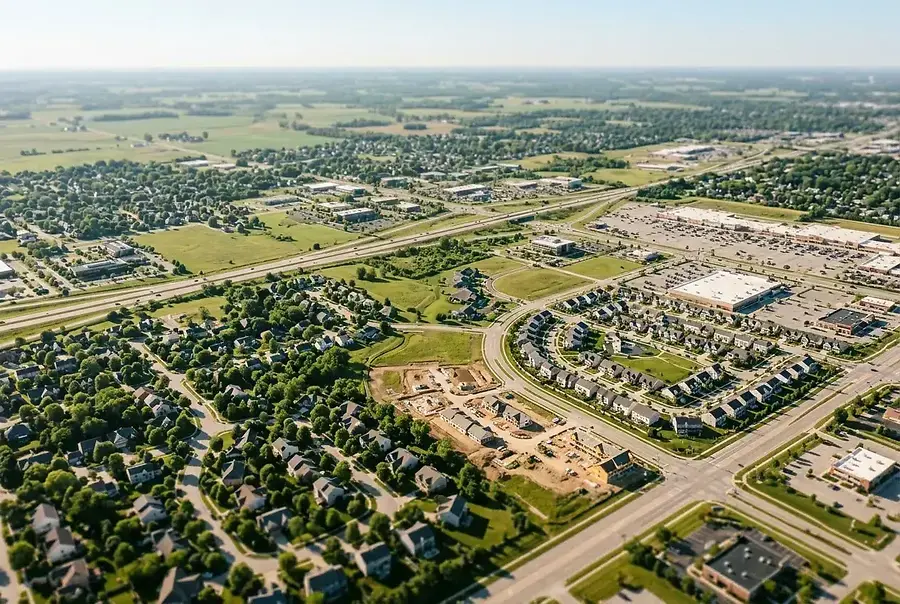
How Property Values Are Determined in Each County
Property values in Central Indiana's five counties—Hamilton, Hendricks, Boone, Johnson, and Marion—are shaped by a complex interplay of factors unique to each region. Understanding these fundamentals is essential for both buyers and investors looking to make informed decisions.
Hamilton County: Premium Pricing and Growth
Hamilton County has emerged as one of the most desirable areas in Central Indiana, with property values reflecting strong demand and limited inventory. Carmel and Fishers lead the market with premium pricing driven by excellent schools, modern infrastructure, and thriving commercial centers. The county's consistent population growth and economic development have created sustained appreciation in home values.
Hendricks County: Balanced Growth and Affordability
Hendricks County offers a more balanced market compared to Hamilton, with properties generally priced lower while still maintaining solid appreciation potential. Towns like Plainfield and Avon attract families seeking suburban living with reasonable price points. The county's strategic location between Indianapolis and western suburbs makes it increasingly attractive to commuters.
Boone, Johnson, and Surrounding Areas
These counties represent more affordable entry points into the Central Indiana market. Properties here often appeal to first-time buyers and investors seeking value. While appreciation rates may be more modest than in Hamilton County, these areas offer stability and growing community amenities that support long-term value retention.
Comparing Market Dynamics: What Makes Prices Different Across Regions
Supply and Demand Variations
The fundamental principle of supply and demand heavily influences property values across the five counties. Hamilton County experiences limited inventory relative to demand, which naturally drives prices upward. In contrast, Hendricks and surrounding counties typically have more available properties, creating a more balanced buyer's market with less aggressive price escalation.
Economic Development and Job Growth
Areas with robust job markets and corporate headquarters command higher property values. Hamilton County benefits from major employers and business parks, while Hendricks County is experiencing rapid commercial expansion. This economic vitality translates directly into increased property demand and appreciation.
School District Quality and Rankings
School performance is one of the most significant drivers of property values across all five counties. Highly-rated school districts consistently see stronger home appreciation and attract premium pricing. Families prioritize education, making school quality a critical factor in their purchasing decisions.
Infrastructure and Accessibility
Proximity to major highways, public transportation, and commercial centers significantly impacts property values. Counties with modern infrastructure and easy access to Indianapolis command higher prices. Investment in roads, utilities, and public services directly correlates with neighborhood desirability and home values.
Factors That Boost or Reduce Home Values in Your Neighborhood
Positive Value Drivers
- New Development: Areas experiencing new construction and infrastructure improvements typically see rising property values as the neighborhood modernizes and attracts new residents.
- Community Amenities: Parks, recreation centers, shopping districts, and dining options enhance neighborhood appeal and support property appreciation.
- Low Crime Rates: Safe neighborhoods consistently command premium prices as families prioritize security and quality of life.
- Property Maintenance: Well-maintained homes and landscaped neighborhoods create positive impressions that support higher valuations.
- Population Growth: Areas experiencing steady population increases typically see sustained property value growth.
Value Reduction Factors
- Declining Infrastructure: Neighborhoods with aging utilities, poor road conditions, or deferred maintenance often experience stagnant or declining values.
- Economic Challenges: Areas facing job losses or business closures may see reduced property demand and lower values.
- School Performance Decline: Drops in school ratings can negatively impact property values as families seek alternatives.
- Environmental Concerns: Proximity to industrial areas, pollution sources, or flood zones can suppress property values.
- Neighborhood Deterioration: Rising crime rates or visible signs of decline discourage buyers and reduce property values.
The Neighborhood Effect
Individual property values don't exist in isolation—they're deeply influenced by surrounding properties and neighborhood conditions. A well-maintained home in a declining neighborhood may appreciate slowly, while an average home in a thriving community can see significant value growth. Location within the neighborhood matters as much as the property itself.
Using Market Knowledge to Make Smarter Residential Investment Decisions
Research Before You Buy
Successful real estate investors conduct thorough market research before making purchases. Analyze recent sales data, price trends, and demographic information for your target county and neighborhood. Understanding whether you're entering a buyer's or seller's market helps you negotiate effectively and identify genuine opportunities.
Identify Emerging Neighborhoods
The greatest investment returns often come from identifying neighborhoods on the cusp of growth before values spike. Look for areas with planned infrastructure improvements, new commercial development, or improving school ratings. These early indicators often precede significant property appreciation.
Consider Long-Term Trends
While short-term market fluctuations occur, Central Indiana's five counties have demonstrated consistent long-term appreciation. Focus on fundamental factors—population growth, economic development, and quality of life improvements—rather than trying to time short-term market movements. Properties in growing communities with strong fundamentals tend to appreciate steadily over time.
Evaluate Your Investment Goals
Different counties serve different investment strategies. Hamilton County offers premium properties with strong appreciation potential but requires larger capital investment. Hendricks County provides balanced growth with better affordability. Boone and Johnson counties appeal to value-focused investors seeking stable, long-term appreciation. Match your investment strategy to the county's market characteristics.
Work with Local Experts
Real estate professionals with deep knowledge of Central Indiana's five counties can provide invaluable insights into local market dynamics, emerging opportunities, and neighborhood-specific factors. Their expertise helps you avoid costly mistakes and identify properties with strong appreciation potential.
Understanding property values across Central Indiana's five counties empowers you to make confident, informed decisions. Whether you're a first-time homebuyer or experienced investor, recognizing how location, market trends, and local factors influence prices helps you navigate the market successfully and build long-term wealth through real estate.


