Understanding Property Values Across Greater Boston's Five Key Neighborhoods
Learn what drives real estate prices in Somerville, Cambridge, Boston, Revere, and Everett to make informed investment decisions.

Introduction: Why Neighborhood Factors Matter in Real Estate Valuation
When evaluating real estate investments in the Greater Boston area, understanding neighborhood-specific factors is crucial to making informed decisions. Property values don't exist in a vacuum—they're shaped by a complex interplay of economic conditions, demographic trends, accessibility, and local amenities. Whether you're a first-time homebuyer, an experienced investor, or someone considering a move within the region, recognizing what drives prices in different neighborhoods can mean the difference between a sound investment and a missed opportunity.
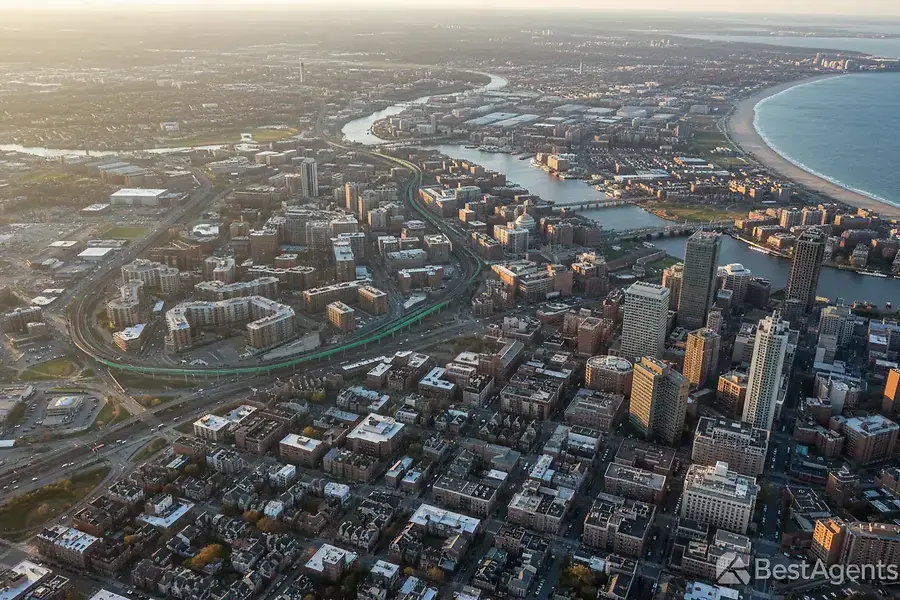
The Greater Boston metropolitan area encompasses diverse communities, each with distinct characteristics that influence property valuations. From the vibrant urban core to emerging suburban markets, these neighborhoods offer varying levels of appreciation potential and lifestyle benefits. By examining five key communities—Somerville, Cambridge, Boston, Revere, and Everett—we can identify patterns that help explain current market dynamics and future trends.
Key Economic and Demographic Drivers of Property Values in the Greater Boston Area
Employment Opportunities and Economic Growth
The Greater Boston region remains a powerhouse for employment, particularly in technology, healthcare, education, and finance sectors. Proximity to major employers like MIT, Harvard University, and numerous biotech firms significantly impacts property values. Neighborhoods with easier access to these employment hubs command premium prices, as residents value shorter commutes and career advancement opportunities.
Economic stability in a neighborhood directly correlates with property appreciation. Areas experiencing job growth and business expansion tend to see rising real estate values, while neighborhoods facing economic challenges may experience stagnation or decline.
Transportation and Accessibility
Access to public transportation is a critical factor in Greater Boston's real estate market. The MBTA's Red, Orange, and Green Lines, along with commuter rail services, create natural corridors of higher property values. Neighborhoods with multiple transit options attract commuters willing to pay premiums for convenience and reduced reliance on personal vehicles.
Walkability scores and proximity to major highways also influence property values. Communities that balance urban accessibility with suburban tranquility often see the strongest demand and most stable appreciation.
Demographics and Population Trends
Demographic shifts shape neighborhood character and property demand. Younger professionals seeking urban amenities drive prices in walkable, entertainment-rich areas. Meanwhile, families prioritize school quality, park access, and space. Understanding which demographic groups are moving into or out of a neighborhood provides insight into future market direction.
Population density, age distribution, and household composition all influence the types of properties in demand and their relative values within a neighborhood.
School Quality and Educational Institutions
School ratings remain one of the most significant drivers of residential property values, particularly for family-oriented neighborhoods. Access to highly-rated public schools or proximity to prestigious universities can substantially elevate property prices. The presence of educational institutions also creates stable, educated populations that support local economies.
Comparing Market Trends and Price Points Across Five Key Communities
Cambridge: The Premium Urban Market
Cambridge represents the highest-priced segment of our five neighborhoods, driven by its concentration of world-class universities and technology companies. The presence of MIT and Harvard creates sustained demand from academics, researchers, and affluent professionals. Property values in Cambridge reflect this premium positioning, with both residential and commercial real estate commanding top-tier prices.
Key characteristics:
- Highest median property values in the region
- Strong international investor interest
- Excellent public transportation access
- Vibrant cultural and dining scene
- Limited housing supply drives prices upward
Boston: The Diverse Urban Core
Boston's neighborhoods vary significantly in character and price points, from the historic Back Bay to emerging areas like the Seaport District. The city's role as a regional hub for finance, healthcare, and technology supports diverse property values. Boston attracts young professionals, established families, and empty nesters, creating demand across multiple property types and price ranges.
Key characteristics:
- Wide range of property values depending on neighborhood
- Strong cultural institutions and entertainment options
- Excellent public transportation network
- Ongoing urban revitalization projects
- Mix of historic charm and modern development
Somerville: The Emerging Neighborhood
Somerville has experienced remarkable transformation over the past decade, evolving from an overlooked suburb into a desirable urban neighborhood. Younger professionals and families attracted by lower prices than Cambridge or Boston have driven significant appreciation. The neighborhood's walkability, diverse food scene, and proximity to major employment centers continue to fuel demand and property value growth.
Key characteristics:
- Strong recent appreciation and growth trajectory
- More affordable than Cambridge or Boston
- Excellent public transportation connections
- Vibrant arts and culture community
- Increasing commercial development
Revere: The Accessible Suburban Option
Revere offers more affordable entry points for homebuyers seeking proximity to Boston without premium urban pricing. The neighborhood's beach access, improving transit connections, and ongoing development projects have attracted investor interest. While property values remain lower than inner-ring suburbs, Revere shows potential for appreciation as infrastructure improvements continue.
Key characteristics:
- Most affordable median prices among the five communities
- Beach and waterfront amenities
- Improving public transportation access
- Growing commercial and residential development
- Diverse, established community
Everett: The Emerging Industrial Hub
Everett represents an emerging opportunity for value-conscious investors. Historically an industrial community, Everett is experiencing revitalization with new residential and commercial projects. The neighborhood's affordability, combined with improving transit access and development momentum, positions it as a potential growth market for those seeking appreciation potential.
Key characteristics:
- Most affordable prices in our comparison
- Active development and revitalization efforts
- Improving public transportation connections
- Industrial heritage with modern transformation
- Strong appreciation potential for patient investors
Conclusion: Using Market Insights to Guide Your Residential Real Estate Strategy
Understanding the factors that drive property values across Greater Boston's diverse neighborhoods empowers you to make strategic real estate decisions aligned with your goals and timeline. Whether you prioritize immediate walkability and urban amenities like Cambridge and Boston offer, seek emerging neighborhoods with appreciation potential like Somerville, or look for affordable entry points in Revere and Everett, each community serves different investor profiles and life stages.
The most successful real estate investors recognize that neighborhood selection is as important as property selection. By analyzing economic drivers, demographic trends, and market comparisons, you can identify opportunities that match your investment philosophy and financial objectives. Consider your priorities—whether they're proximity to employment, school quality, appreciation potential, or affordability—and match them to the neighborhoods that best serve your needs.
Remember: Real estate markets are dynamic, and neighborhood trajectories can shift. Stay informed about local development projects, economic trends, and demographic changes to ensure your investment strategy remains aligned with market realities. With careful analysis and strategic thinking, the Greater Boston area offers compelling opportunities across multiple neighborhoods and price points.