Understanding Property Values Across Greater Boston's Residential Markets
A comprehensive guide to how neighborhood characteristics and proximity to Boston influence residential property pricing in Cambridge, Somerville, Medford, and surrounding communities.

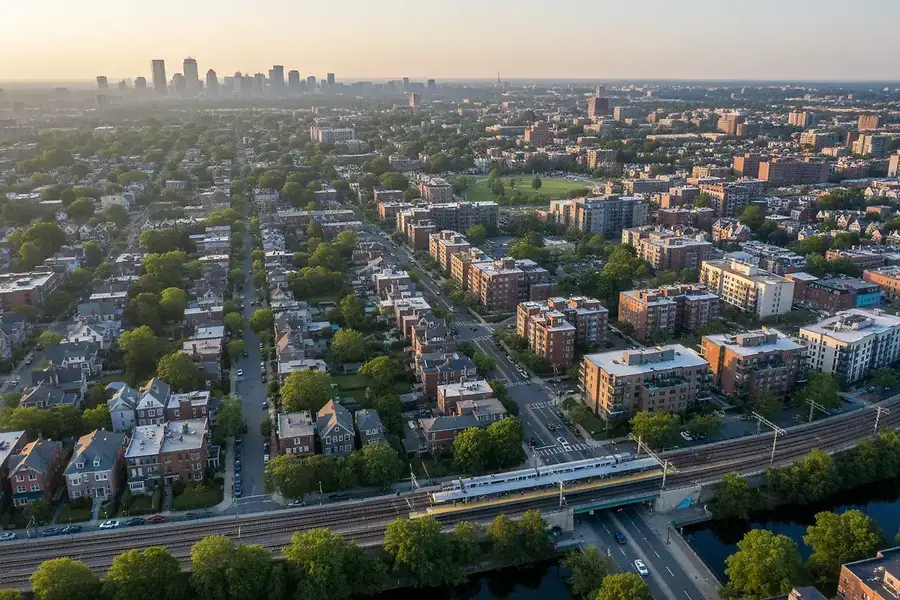
Introduction: Why Property Values Vary Significantly Across Boston's Neighborhoods
The Greater Boston real estate market is remarkably diverse, with property values fluctuating dramatically depending on location, amenities, and market dynamics. Whether you're a first-time homebuyer, seasoned investor, or simply curious about the region's housing landscape, understanding these variations is essential for making informed decisions. From the vibrant streets of Cambridge to the emerging neighborhoods of Medford, each community offers distinct characteristics that influence pricing and investment potential.
The Boston metropolitan area has experienced significant growth and transformation, making it crucial to understand what drives property values in different neighborhoods. Proximity to public transportation, employment centers, educational institutions, and cultural amenities all play pivotal roles in determining residential prices. This guide explores the key factors shaping property values across Greater Boston's most dynamic residential markets.
Key Factors Influencing Home Prices: Location, Amenities, and Market Demand
Proximity to Boston and Transportation Access
One of the most significant factors affecting property values is proximity to downtown Boston and access to public transportation. Neighborhoods with direct access to the MBTA subway system command premium prices, as commuters value the convenience of quick trips to employment centers. Cambridge, being directly adjacent to Boston and home to major universities, consistently maintains higher property values than communities further from the city center.
However, improved transportation infrastructure in outlying areas like Medford has begun to shift this dynamic. As the MBTA continues to expand and improve service, previously undervalued neighborhoods are experiencing increased demand and rising property values. Investors are increasingly recognizing the potential in communities with developing transit connections.
Educational Institutions and School Quality
The presence of prestigious universities and highly-rated public schools significantly impacts residential property values. Cambridge's association with Harvard University and MIT creates sustained demand for housing, supporting higher prices across the neighborhood. Similarly, communities with excellent school systems attract families willing to pay premium prices for homes in those districts.
School ratings, test scores, and educational reputation directly correlate with property appreciation. Neighborhoods known for strong educational opportunities consistently outperform those with lower-rated schools in terms of long-term value growth and market stability.
Neighborhood Amenities and Lifestyle Factors
Modern homebuyers and renters prioritize walkability, dining options, retail establishments, parks, and cultural venues. Neighborhoods offering vibrant street-level activity, diverse restaurants, and entertainment options command higher prices. Somerville's transformation into a trendy, walkable community with excellent restaurants and bars has driven significant property value increases in recent years.
Access to green spaces, recreational facilities, and community gathering places also influences property values. Neighborhoods with well-maintained parks, fitness centers, and cultural institutions attract residents willing to pay premium prices for enhanced quality of life.
Market Demand and Supply Dynamics
Like any market, supply and demand fundamentally drive residential property prices. Limited housing inventory in desirable neighborhoods creates competitive bidding situations, pushing prices higher. Cambridge and Somerville have experienced constrained housing supplies relative to demand, resulting in sustained price growth.
Conversely, communities with more available housing inventory may offer better value for buyers, though appreciation potential might be more modest. Understanding local supply-demand dynamics helps investors identify emerging opportunities in up-and-coming neighborhoods.
Comparing Residential Markets: Investment Potential in Different Communities
Cambridge: Premium Pricing and Stability
Cambridge represents the premium end of the Greater Boston market. Home to world-renowned universities and major technology companies, Cambridge attracts affluent residents and investors. Property values here reflect the neighborhood's prestige, educational prominence, and strong employment opportunities. While entry prices are high, the market offers stability and consistent appreciation, making it attractive for long-term investors seeking security over aggressive growth.
Somerville: Emerging Vibrancy and Growth Potential
Somerville has emerged as one of Greater Boston's most dynamic neighborhoods. Once considered a working-class community, Somerville has transformed into a trendy destination with excellent restaurants, bars, and cultural venues. Property values have appreciated significantly, though they remain somewhat more accessible than Cambridge. For investors seeking growth potential with established neighborhood momentum, Somerville offers compelling opportunities.
Medford: Emerging Opportunities and Value
Medford represents an emerging opportunity in the Greater Boston market. Located north of Cambridge and Somerville, Medford offers more affordable entry prices while benefiting from improving transportation connections and neighborhood development. As the community continues to attract younger residents and new businesses, property values are gradually appreciating. Investors with longer time horizons may find attractive value propositions in Medford's residential market.
Surrounding Communities: Balancing Value and Accessibility
Communities surrounding the core Boston area offer varying combinations of affordability and accessibility. Some neighborhoods provide excellent value with reasonable commute times, while others offer more suburban characteristics with corresponding price advantages. Evaluating your priorities—whether emphasizing walkability, affordability, school quality, or commute convenience—helps identify the best community for your needs and investment goals.
Conclusion: Using Market Insights to Make Informed Residential Decisions
Understanding property values across Greater Boston's residential markets requires considering multiple interconnected factors. Location, transportation access, educational institutions, neighborhood amenities, and market dynamics all influence pricing and investment potential. There is no single "best" neighborhood—the optimal choice depends on individual priorities, financial circumstances, and long-term goals.
Key takeaways for residential decision-making:
- Premium neighborhoods like Cambridge offer stability and prestige but require significant capital investment
- Emerging communities like Somerville and Medford provide growth potential with more accessible entry prices
- Transportation access and proximity to employment centers significantly influence property values
- Educational quality and neighborhood amenities directly correlate with pricing and appreciation
- Market supply-demand dynamics create both challenges and opportunities for buyers and investors
Whether you're purchasing your first home, expanding your investment portfolio, or simply exploring the Greater Boston market, these insights provide a foundation for informed decision-making. By understanding what drives property values in different communities, you can identify opportunities aligned with your goals and make confident residential choices in this dynamic and competitive market.