Understanding Property Values Across Northeast Kingdom Counties
A comprehensive guide to how location, amenities, and market conditions affect residential real estate prices in Lyndonville, Essex, Orleans, Caledonia, and Grafton County.

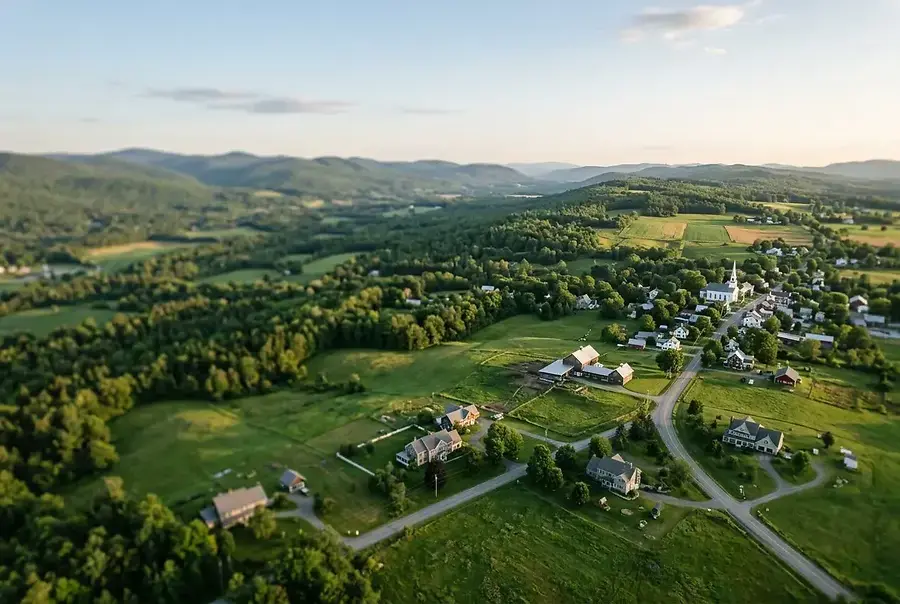
The Geography of Real Estate Value in Northeast Kingdom
The Northeast Kingdom of Vermont represents one of the region's most diverse real estate markets, where geography plays a crucial role in determining property values. Spanning across five counties—Lyndonville, Essex, Orleans, Caledonia, and Grafton—this area offers a unique blend of rural charm, small-town character, and investment opportunities. Understanding how these geographic factors influence residential prices is essential for anyone considering a purchase or investment in the region.
Real estate values in the Northeast Kingdom are shaped by multiple interconnected factors. The proximity to major towns, access to amenities, local employment opportunities, and the overall character of each community all contribute to the pricing landscape. Whether you're a first-time homebuyer or an experienced investor, grasping these dynamics will empower you to make smarter decisions about where to invest your resources.
How County Location Influences Home Prices and Investment Potential
Caledonia County: The Heart of Northeast Kingdom
Caledonia County serves as the central hub of the Northeast Kingdom, with Lyndonville functioning as a key commercial and residential center. Properties in this county benefit from established infrastructure, local services, and a growing community presence. Home prices in Caledonia County tend to reflect the area's accessibility and amenities, making it an attractive option for families seeking a balance between rural living and convenient access to services.
The county's real estate market shows steady appreciation, driven by its position as a regional center. Residential properties range from historic homes in town centers to sprawling rural estates, offering options for various budgets and lifestyles.
Essex County: Quieter and More Secluded
Essex County, the northernmost county in the region, offers a more secluded and rural character. Properties here typically command lower prices than those in Caledonia County, reflecting the reduced proximity to major services and employment centers. This makes Essex County particularly appealing to those seeking privacy and a true rural lifestyle, though it requires a longer commute for work and shopping.
The investment potential in Essex County lies in its undeveloped land and the possibility of future appreciation as the region develops. Buyers here are often drawn to the natural beauty and peaceful environment rather than urban conveniences.
Orleans County: The Middle Ground
Orleans County occupies a middle position in terms of both geography and pricing. Towns like Newport offer more amenities than rural areas while maintaining a small-town atmosphere. Property values in Orleans County reflect this balanced positioning, making it an excellent choice for those seeking moderate prices with reasonable access to services.
The county's real estate market benefits from its location along major transportation corridors, which enhances both residential appeal and investment potential.
Grafton County: Cross-Border Opportunities
While technically in New Hampshire, Grafton County's proximity to the Northeast Kingdom creates interesting cross-border real estate dynamics. Properties in this county often appeal to those seeking slightly different market conditions while remaining close to the Vermont region. Prices vary significantly based on proximity to major towns and amenities.
Comparing Residential Markets: Town-by-Town Price Analysis and Trends
Key Market Indicators
Several factors consistently influence residential property values across all Northeast Kingdom counties:
- Proximity to Employment Centers: Towns closer to major employers command higher prices
- School Quality: Access to well-regarded schools significantly impacts family home values
- Infrastructure and Utilities: Properties with modern utilities and reliable infrastructure cost more
- Natural Amenities: Proximity to lakes, mountains, and outdoor recreation areas adds value
- Community Services: Access to healthcare, shopping, and dining options influences pricing
Residential Price Trends
The Northeast Kingdom residential market has experienced notable trends in recent years. Rural properties have seen increased interest from remote workers, driving up prices in previously overlooked areas. Towns with strong community character and good internet connectivity have become particularly attractive.
Historic homes in town centers remain popular among those seeking character and walkability, while newer construction in suburban areas appeals to families wanting modern amenities. The market shows healthy diversity, with options available across all price ranges.
Investment Considerations
For investors, the Northeast Kingdom offers several compelling opportunities:
- Rental properties in towns with stable employment centers provide steady income
- Fixer-upper homes in developing areas offer appreciation potential
- Multi-unit properties in county seats attract consistent tenant interest
- Land purchases in growth corridors position investors for future development
The key to successful real estate investment in the Northeast Kingdom is understanding local market dynamics and identifying emerging trends before they become obvious to the broader market.
Using Market Knowledge to Make Informed Residential Decisions
Whether you're buying your first home or making a strategic investment, understanding the Northeast Kingdom's real estate landscape is invaluable. Start by clearly defining your priorities: Do you value proximity to services, or do you prefer rural seclusion? Are you seeking a primary residence or an investment property? What's your timeline for appreciation?
Research specific towns and neighborhoods within your target county. Visit during different seasons to experience the community fully. Connect with local real estate professionals who understand the nuances of their markets. They can provide insights that go beyond what you'll find in online listings, including information about upcoming development, local employment trends, and community direction.
Consider the long-term trajectory of your chosen area. Towns investing in infrastructure, attracting new businesses, and maintaining strong community services tend to see more stable property appreciation. Conversely, areas experiencing population decline or economic challenges may offer lower prices but with less certain appreciation potential.
Finally, remember that real estate decisions are deeply personal. While market analysis and financial considerations are important, your comfort with the community, lifestyle fit, and long-term vision for your property should guide your final decision. The Northeast Kingdom offers something for everyone—from quiet rural retreats to vibrant small towns—and understanding how these different locations affect property values ensures you'll find the right fit for your needs and budget.