Understanding Property Values Across Phoenix Metro Communities
Learn how location, amenities, and market trends impact home prices in Mesa, Tempe, Chandler, Gilbert, and beyond.

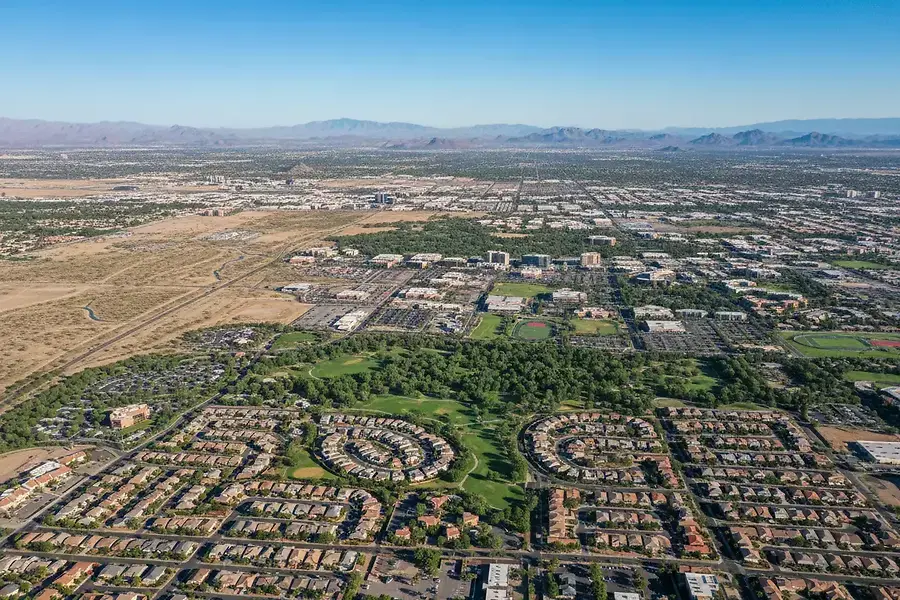
What Drives Real Estate Value in the Phoenix Metro Area
The Phoenix metropolitan area has emerged as one of the most dynamic real estate markets in the United States. With its diverse communities ranging from established neighborhoods to rapidly developing suburbs, understanding what drives property values is essential for both buyers and investors. The region's growth is fueled by a combination of factors including population migration, economic development, and strategic urban planning that varies significantly from one community to another.
Whether you're considering a move to Mesa, Tempe, Chandler, Gilbert, or any other Phoenix metro community, recognizing the unique characteristics that influence home prices can help you make smarter real estate decisions. This guide explores the key factors shaping property values across the region.
How Location and Neighborhood Characteristics Affect Property Prices
Proximity to Employment Centers
One of the most significant factors affecting property values is proximity to major employment hubs. Communities closer to downtown Phoenix, tech corridors, and business districts typically command higher prices due to reduced commute times. Tempe, home to Arizona State University and numerous tech companies, has seen substantial appreciation as employers continue to establish operations in the area. Similarly, Chandler benefits from its position as a technology and manufacturing center, attracting professionals seeking convenient access to their workplaces.
School Quality and Educational Institutions
Families prioritize neighborhoods with excellent schools, making school district ratings a crucial determinant of property values. Communities with highly-rated school systems consistently see stronger demand and higher home prices. Gilbert has built a reputation for outstanding educational institutions, which has contributed to its appeal and rising property values. The presence of universities, like ASU in Tempe, also enhances the desirability of surrounding neighborhoods.
Amenities and Lifestyle Features
Modern homebuyers seek communities offering diverse amenities and lifestyle options. Properties in neighborhoods with the following features typically appreciate faster:
- Parks, trails, and recreational facilities
- Shopping centers and dining options
- Healthcare facilities and wellness centers
- Cultural attractions and entertainment venues
- Community centers and social spaces
Mesa, with its extensive park system and cultural attractions, appeals to families and retirees alike. Chandler offers upscale shopping and dining experiences that attract affluent buyers. These amenities directly influence property values and market competitiveness.
Infrastructure and Development
Communities investing in modern infrastructure—including roads, public transportation, and utilities—tend to experience stronger property value growth. New development projects, commercial centers, and improved connectivity enhance neighborhood appeal. The expansion of light rail and improved highway access in various Phoenix metro areas has positively impacted surrounding property values.
Market Trends and Economic Factors Shaping Home Values Across the Region
Population Growth and Migration Patterns
The Phoenix metro area continues to attract residents from across the nation, driven by favorable climate, lower cost of living compared to other major metros, and abundant job opportunities. This sustained population growth creates steady demand for housing. Communities experiencing the fastest growth often see the most significant property appreciation. Gilbert and Chandler have been among the fastest-growing communities in Arizona, reflecting strong buyer interest and rising property values.
Interest Rates and Financing Conditions
Mortgage rates significantly impact buyer purchasing power and market activity. Lower interest rates increase affordability and demand, typically pushing prices upward. Conversely, higher rates can cool market activity. Savvy investors monitor interest rate trends to identify optimal timing for buying or selling properties in the Phoenix metro area.
Supply and Demand Dynamics
The balance between available inventory and buyer demand directly affects prices. Communities with limited housing supply relative to demand experience faster appreciation. Some Phoenix metro neighborhoods face inventory constraints, particularly in desirable areas with strong schools and amenities. This supply-demand imbalance has contributed to significant price increases in select communities.
Economic Development and Job Creation
Corporate relocations and business expansions create employment opportunities that attract residents and boost property values. Tempe has benefited from tech industry growth, while Chandler continues to attract manufacturing and technology companies. These economic drivers create positive momentum for local real estate markets.
Age and Character of Neighborhoods
Established neighborhoods with mature trees and established community character often maintain stable values, while newer developments may offer modern amenities and energy-efficient features. Both have appeal to different buyer segments. Revitalization efforts in older neighborhoods can trigger appreciation as communities invest in improvements and attract younger demographics.
Key Insight: Understanding your target community's specific characteristics and market position within the Phoenix metro area is essential for making informed real estate decisions.
Using Market Knowledge to Make Informed Real Estate Decisions
Armed with knowledge about what drives property values in the Phoenix metro area, you can approach real estate decisions with greater confidence. Consider these strategies:
- Research community fundamentals: Investigate school ratings, employment centers, and planned development projects in your target area.
- Monitor market trends: Track interest rates, inventory levels, and price trends specific to your community of interest.
- Evaluate long-term potential: Look beyond current prices to identify communities with strong growth fundamentals and development plans.
- Consider lifestyle fit: Ensure the community's amenities and character align with your personal and family needs.
- Work with local experts: Partner with real estate professionals who understand the nuances of different Phoenix metro communities.
The Phoenix metropolitan area offers diverse communities, each with unique characteristics and market dynamics. Whether you're drawn to the vibrant culture of Tempe, the family-friendly appeal of Gilbert, the tech-forward environment of Chandler, or the established charm of Mesa, understanding the factors that drive property values empowers you to make decisions aligned with your goals and budget. By staying informed about location advantages, neighborhood characteristics, and broader market trends, you can navigate the Phoenix real estate market with greater insight and confidence.