Understanding Property Values Across Shelbyville, Greenwood, and Indianapolis
Learn what drives residential real estate prices in Central Indiana's most popular markets.

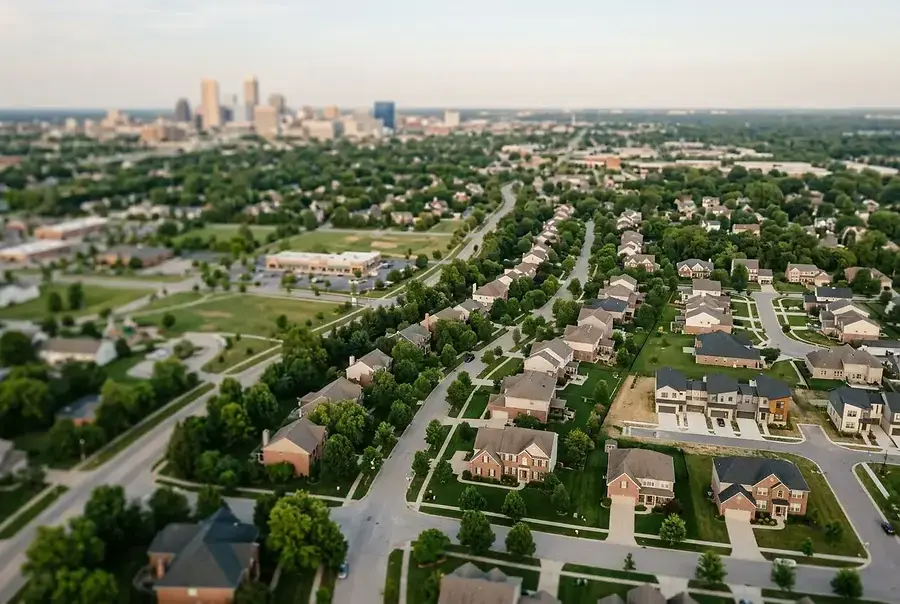
What Determines Home Values in Your Area
Understanding property values is essential for homeowners, buyers, and investors in Central Indiana. Whether you're considering purchasing a home in Shelbyville, Greenwood, or Indianapolis, knowing what drives real estate prices can help you make informed financial decisions. Home values are influenced by a complex interplay of factors ranging from economic conditions to local amenities and neighborhood characteristics.
The residential real estate market in Central Indiana has experienced significant growth and transformation. Property values don't exist in a vacuum—they're shaped by supply and demand, economic indicators, and the unique characteristics of each community. By understanding these dynamics, you'll be better equipped to evaluate whether a property represents a sound investment or a great place to call home.
Market Factors Affecting Property Values Across Central Indiana
Economic Growth and Employment Opportunities
The economic health of Central Indiana plays a crucial role in determining property values. Strong employment opportunities attract new residents and increase demand for housing. Indianapolis, as the state's capital and largest metropolitan area, benefits from diverse job markets spanning healthcare, manufacturing, technology, and professional services. This economic diversity helps stabilize property values even during market fluctuations.
Greenwood and Shelbyville, while smaller communities, have experienced growth through:
- Proximity to Indianapolis employment centers
- Development of local commercial districts
- Expansion of small business opportunities
- Improved transportation infrastructure
Interest Rates and Financing Availability
Mortgage rates significantly impact home affordability and, consequently, property values. When interest rates are lower, more buyers can afford homes, increasing demand and pushing prices upward. Conversely, higher rates can cool the market. The availability of financing options also matters—communities with strong lending institutions and competitive mortgage products tend to see healthier real estate markets.
Population Trends and Migration Patterns
Central Indiana has attracted residents from across the nation, drawn by affordable housing, quality of life, and economic opportunities. Population growth directly correlates with increased housing demand, which supports property value appreciation. Shelbyville and Greenwood have particularly benefited from suburban migration, as families seek communities with good schools, lower density, and family-friendly amenities while remaining close to Indianapolis employment centers.
Infrastructure and Development
New roads, utilities, and public facilities enhance property values by improving accessibility and quality of life. Recent infrastructure improvements in these communities have made them more attractive to both residents and developers. Areas with planned development and modern infrastructure typically command higher property values than those with aging or limited infrastructure.
How Neighborhoods Impact Residential Pricing and Appreciation
School Quality and Educational Resources
School ratings are among the most significant factors influencing residential property values. Families prioritize excellent schools, and homes in top-rated school districts consistently command premium prices. Properties in highly-rated school zones can appreciate faster than those in lower-rated districts. Both Greenwood and Shelbyville offer well-regarded school systems that attract families and support property value growth.
Neighborhood Safety and Community Character
Safety is paramount for homebuyers. Neighborhoods with low crime rates, active community organizations, and strong neighborhood associations tend to have more stable and appreciating property values. The character of a neighborhood—whether it's established and mature or newly developing—also influences pricing. Established neighborhoods with mature trees and established community identity often command higher values, while new developments may offer modern amenities and lower initial prices with growth potential.
Proximity to Amenities and Services
Access to shopping, dining, entertainment, parks, and healthcare facilities significantly impacts property values. Homes within walking distance of desirable amenities typically cost more than those requiring significant travel. Indianapolis offers extensive amenities, while Greenwood and Shelbyville provide convenient access to shopping centers, restaurants, and recreational facilities. The "walkability" of a neighborhood has become increasingly important to modern homebuyers.
Age and Condition of Housing Stock
The age and maintenance condition of homes in a neighborhood affect overall property values. Well-maintained neighborhoods with newer construction or recently renovated homes typically see stronger appreciation. Neighborhoods undergoing revitalization often present opportunities for value appreciation as improvements are made. Conversely, neighborhoods with aging infrastructure and deferred maintenance may experience slower appreciation or value decline.
Lot Size and Property Features
Individual property characteristics matter significantly. Larger lots, modern amenities, updated systems, and desirable architectural features command higher prices. In suburban areas like Greenwood and Shelbyville, lot size is particularly valued, as families often prefer more land. Properties with recent renovations, energy-efficient features, and modern kitchens and bathrooms typically appreciate faster than those needing updates.
Making Informed Decisions About Your Home's Worth
Understanding your home's value requires considering both market-wide factors and neighborhood-specific characteristics.
The best way to determine your property's worth is through a professional appraisal or comparative market analysis conducted by a qualified real estate professional.
When evaluating property values in Shelbyville, Greenwood, or Indianapolis, consider:
- Recent comparable sales in your neighborhood
- Current market conditions and interest rates
- Local economic trends and employment growth
- School district ratings and quality
- Neighborhood safety statistics and community amenities
- Your property's condition, age, and unique features
- Future development plans that might affect your area
Whether you're a current homeowner curious about your property's value, a buyer evaluating investment potential, or an investor analyzing market opportunities, understanding these factors positions you for success. Central Indiana's real estate market continues to evolve, offering opportunities across all three communities. By staying informed about market trends and neighborhood characteristics, you can make confident decisions about your real estate investments and find the perfect home for your needs.