Understanding Property Values Across Southern California Communities
Discover how location, amenities, and market trends shape residential prices in 20+ distinct neighborhoods

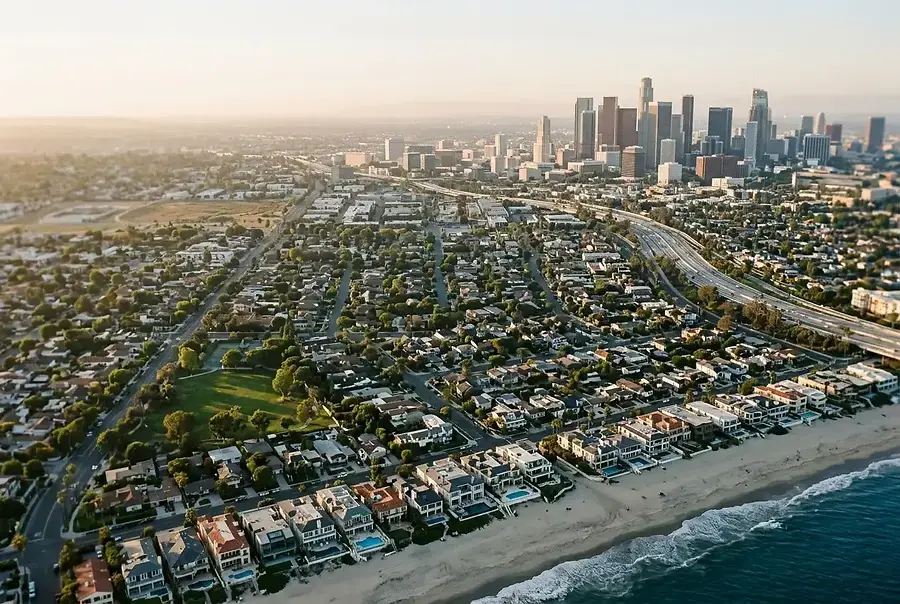
The Geography of Home Prices in Southern California
Southern California's real estate market is as diverse as its landscape, with property values varying dramatically across neighborhoods, cities, and regions. From beachfront communities in Malibu to inland valleys in Riverside County, understanding what drives these price differences is essential for anyone considering a home purchase or investment in the region.
The Southern California housing market encompasses over 20 distinct neighborhoods and communities, each with its own unique characteristics, appeal, and price point. What makes a home worth $500,000 in one area might command $2 million in another just miles away. This article explores the key factors that shape property values and helps you understand what you're truly paying for when investing in Southern California real estate.
Factors Driving Property Values in Different Communities
Location and Proximity to Amenities
The most fundamental driver of property values remains location. Homes near quality schools, shopping centers, restaurants, and entertainment venues typically command premium prices. Coastal communities benefit from beach access, while neighborhoods near major employment centers like downtown Los Angeles or tech hubs in Orange County see sustained demand and higher valuations.
Key location factors include:
- Proximity to quality schools and educational institutions
- Access to public transportation and major highways
- Walkability and neighborhood amenities
- Proximity to employment centers and business districts
- Beach access and natural attractions
Market Trends and Economic Factors
Southern California's property values are influenced by broader economic trends, including employment growth, population migration patterns, and interest rates. Communities experiencing job growth and population influx typically see rising property values, while areas facing economic challenges may experience slower appreciation or stagnation.
The region's diverse economy—spanning entertainment, technology, aerospace, healthcare, and international trade—creates varied demand patterns across different neighborhoods. Areas with strong job markets and growing industries attract more buyers, driving prices upward.
Community Character and Demographics
The character of a neighborhood significantly impacts its appeal and property values. Family-oriented communities with parks, recreational facilities, and lower crime rates attract different buyers than trendy urban neighborhoods with vibrant nightlife and cultural attractions. Demographic preferences shift over time, influencing which communities experience appreciation and which face challenges.
Community characteristics that influence values:
- Safety and crime statistics
- School district ratings and performance
- Community amenities and recreational facilities
- Neighborhood demographics and age diversity
- Cultural attractions and entertainment options
Housing Supply and Demand Dynamics
Like any market, supply and demand fundamentally shape property prices. Communities with limited available inventory and high demand experience rapid price appreciation, while areas with abundant housing stock may see more moderate price growth. Southern California's restrictive zoning laws and limited developable land in many areas create supply constraints that support property values.
Comparing Neighborhoods: What You're Really Paying For
Coastal Communities vs. Inland Areas
Coastal neighborhoods command premium prices due to beach access, ocean views, and the lifestyle they offer. However, these areas also face challenges including higher property taxes, increased insurance costs, and environmental concerns like erosion and flooding. Inland communities offer more affordable entry points while still providing access to quality amenities and employment centers.
Urban Centers vs. Suburban Communities
Urban neighborhoods near downtown Los Angeles, Long Beach, or Pasadena offer walkability, cultural attractions, and shorter commutes for downtown workers. These areas appeal to young professionals and empty nesters seeking urban convenience. Suburban communities provide larger homes, more space, and family-friendly environments, attracting families and those seeking quieter lifestyles.
Established Neighborhoods vs. Emerging Communities
Established, prestigious neighborhoods with long histories of desirability maintain high values and stable appreciation. Emerging communities experiencing revitalization or development often offer better value and higher appreciation potential, though with greater uncertainty. Savvy investors often find opportunities in up-and-coming areas before they reach peak popularity.
What Different Price Points Offer
Under $750,000: Entry-level homes in developing areas, inland communities, or smaller properties in established neighborhoods.
$750,000 - $1.5 Million: Quality homes in good neighborhoods, established suburbs, or smaller properties in premium areas.
$1.5 - $3 Million: Larger homes in desirable neighborhoods, properties with premium amenities, or smaller homes in top-tier coastal communities.
$3 Million+: Luxury properties, premium locations, significant square footage, or exceptional views and amenities.
Using Market Knowledge to Make Smarter Real Estate Decisions
Research Before You Buy
Understanding local market trends, school ratings, crime statistics, and future development plans helps you make informed decisions. Look beyond the current listing price to understand what comparable properties have sold for and where the market is heading. Knowledge is your most valuable tool in real estate investing.
Consider Your Long-Term Goals
Are you buying a primary residence, an investment property, or a vacation home? Your goals should influence which neighborhood and price point make sense. A family prioritizing schools may find different value in a community than an investor seeking appreciation potential.
Look Beyond Current Trends
Communities experiencing rapid appreciation may be overheated, while overlooked neighborhoods might offer better long-term value. Consider factors like infrastructure improvements, new employment centers, and demographic trends that could drive future appreciation.
Work with Local Experts
Real estate agents, market analysts, and financial advisors familiar with specific Southern California communities can provide insights that help you identify opportunities and avoid pitfalls. Their local knowledge is invaluable in navigating this complex market.
Conclusion
Southern California's diverse real estate market offers opportunities across multiple price points and neighborhood types. Success requires understanding what drives property values in different communities—from location and amenities to market trends and supply dynamics. By researching thoroughly, considering your long-term goals, and working with knowledgeable professionals, you can make smarter real estate decisions that align with your needs and financial objectives.
Whether you're a first-time homebuyer, growing family, or experienced investor, Southern California's 20+ distinct neighborhoods offer something for everyone. The key is understanding what you're paying for and ensuring it aligns with your priorities and investment strategy.