Understanding Property Values in Kansas City's Neighborhoods
Learn what drives home prices across different Kansas City areas and how to position your property competitively in today's market.

What Determines Home Values in Kansas City
Kansas City's real estate market is as diverse as its neighborhoods, with property values varying significantly across different areas. Whether you're a homeowner looking to understand your property's worth or an investor seeking opportunities, understanding what drives home prices is essential. The Kansas City market has shown resilience and growth, with various factors influencing how neighborhoods appreciate or stabilize over time.
Home values aren't determined by a single factor—they're shaped by a complex interplay of location, economic conditions, neighborhood characteristics, and market demand. By understanding these dynamics, you can better position your property in the market and make informed decisions about buying, selling, or investing in Kansas City real estate.
Key Factors Affecting Property Prices: Location, Schools, and Amenities
Location and Neighborhood Characteristics
Location remains the cornerstone of real estate value. In Kansas City, proximity to downtown, major employment centers, and transportation corridors significantly impacts property prices. Neighborhoods closer to the Plaza, Crossroads Arts District, and major business hubs command premium prices due to convenience and walkability.
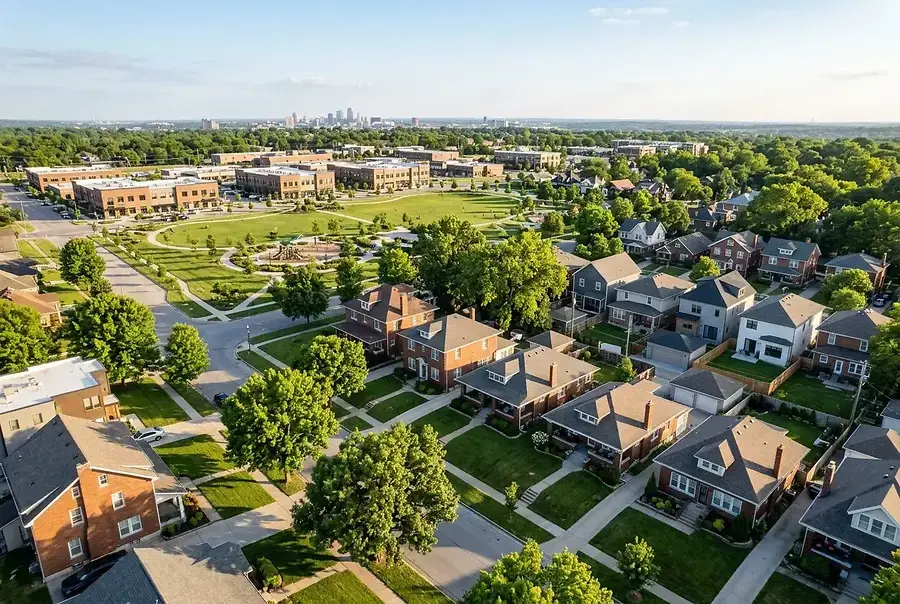
Beyond proximity to job centers, neighborhood character matters tremendously. Historic neighborhoods with architectural charm, tree-lined streets, and established community identities often attract buyers willing to pay more. Conversely, emerging neighborhoods undergoing revitalization may offer better value for investors seeking growth potential.
School Quality and Educational Resources
School districts are among the most influential factors in home values, particularly for families with children. Kansas City neighborhoods served by highly-rated school districts consistently see stronger property appreciation and higher resale values. Even homes not occupied by school-age children benefit from proximity to quality schools, as it broadens the potential buyer pool.
Beyond traditional public schools, the presence of private institutions, charter schools, and educational programs adds value to neighborhoods. Families often prioritize education, making school quality a non-negotiable factor in their home-buying decisions.
Amenities and Community Features
Modern homebuyers and renters increasingly value walkable neighborhoods with abundant amenities. Access to parks, restaurants, retail shops, fitness facilities, and entertainment venues directly impacts property values. Kansas City neighborhoods with vibrant commercial corridors and recreational spaces command higher prices.
- Parks and Green Spaces: Properties near quality parks and outdoor recreation areas attract premium prices
- Dining and Entertainment: Neighborhoods with diverse dining options and cultural venues appeal to younger demographics
- Retail and Services: Convenient access to shopping, groceries, and services increases neighborhood desirability
- Public Transportation: Proximity to transit options enhances accessibility and reduces transportation costs
- Community Events: Neighborhoods hosting regular farmers markets, festivals, and gatherings foster strong community bonds
Infrastructure and Development Trends
Infrastructure improvements signal neighborhood investment and future growth potential. New road projects, utility upgrades, and public facility improvements often precede property value increases. Similarly, planned commercial or residential development can dramatically impact neighborhood trajectories.
Kansas City's ongoing revitalization efforts in various neighborhoods have created opportunities for investors and homeowners. Areas experiencing infrastructure investment typically see accelerated appreciation as demand increases.
How to Assess Your Home's Market Value and Competitive Position
Conducting a Comparative Market Analysis
The most reliable way to assess your home's value is through a Comparative Market Analysis (CMA). This involves examining recently sold properties in your neighborhood with similar characteristics—size, age, condition, and features. Look at homes that sold within the past three to six months for the most accurate market snapshot.
Key metrics to compare include:
- Price per square foot
- Days on market before sale
- Sale price versus listing price
- Property condition and updates
- Lot size and special features
Understanding Your Neighborhood's Market Position
Evaluate whether your neighborhood is appreciating, stable, or declining. Research recent sales trends, average price changes, and inventory levels. A neighborhood with low inventory and strong buyer demand typically indicates appreciation potential, while high inventory and slow sales may suggest a buyer's market.
Consider consulting with a local real estate professional who has detailed knowledge of your specific neighborhood. They can provide insights into market trends, upcoming developments, and factors unique to your area that might not be apparent from data alone.
Positioning Your Property Competitively
Once you understand your home's market value and neighborhood position, you can take strategic steps to enhance its appeal:
- Curb Appeal: First impressions matter—invest in landscaping, exterior maintenance, and attractive entryways
- Interior Updates: Modern kitchens, bathrooms, and flooring significantly impact buyer perception and value
- Energy Efficiency: Upgrades like insulation, windows, and HVAC systems appeal to cost-conscious buyers
- Maintenance Records: Document all repairs and improvements to demonstrate responsible ownership
- Staging: Present your home in its best light by decluttering and arranging furniture to showcase space
Monitoring Market Changes
Real estate markets are dynamic. Regularly monitor your neighborhood's market conditions, new listings, and sales activity. Set up alerts for comparable properties and track price trends. This ongoing awareness helps you stay informed about your property's value and market opportunities.
Using Market Insights to Make Informed Real Estate Decisions
Understanding property values in Kansas City empowers you to make confident real estate decisions. Whether you're planning to sell, refinance, or invest, market knowledge is your greatest asset.
The most successful real estate decisions are built on solid market research, local knowledge, and realistic expectations about your property's position within its neighborhood.
For sellers, understanding your home's true market value helps you price competitively and attract serious buyers. For buyers, market knowledge prevents overpaying and helps identify neighborhoods with strong appreciation potential. For investors, recognizing emerging neighborhoods and understanding value drivers creates opportunities for profitable investments.
Kansas City's diverse neighborhoods offer something for everyone, from historic charm to modern amenities. By understanding what drives property values in your area and positioning your home accordingly, you can maximize its potential and make informed decisions that align with your real estate goals.


