Understanding Property Values in Louisiana's Residential Markets
Learn how location, market conditions, and home features impact residential property values across Louisiana communities.

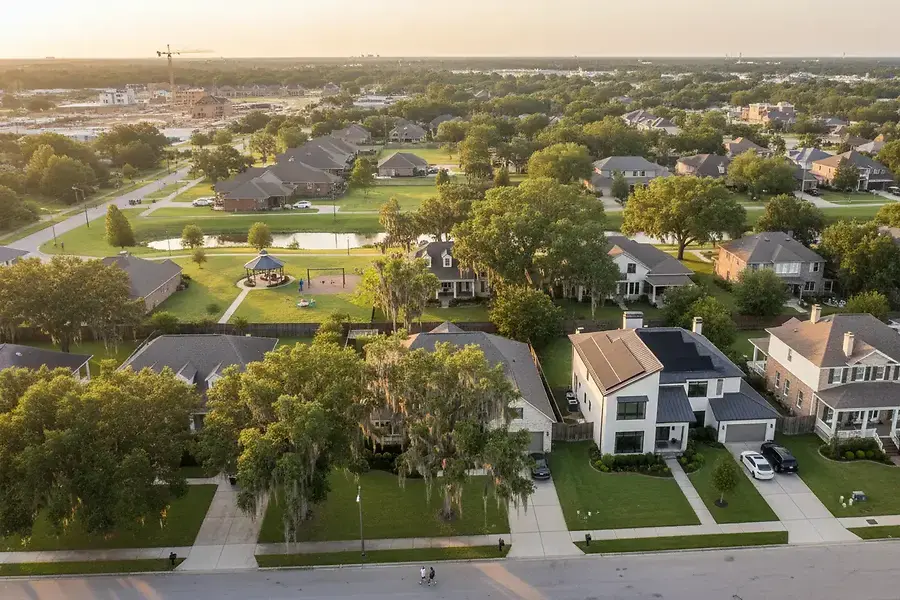
What Drives Residential Property Values in Louisiana
Understanding property values in Louisiana's residential markets requires insight into the unique factors that shape this dynamic real estate landscape. From the vibrant neighborhoods of New Orleans to the growing suburbs of Baton Rouge and the coastal communities of South Louisiana, property values fluctuate based on a complex interplay of economic, geographic, and social factors.
The Louisiana residential market reflects both the state's rich cultural heritage and its evolving economic opportunities. Whether you're a first-time homebuyer, an experienced investor, or someone looking to understand your current home's market value, grasping these fundamentals is essential for making informed decisions.
How Location and Community Factors Influence Home Values
Geographic Location and Accessibility
Location remains the cornerstone of residential property valuation in Louisiana. Homes situated near major employment centers, quality schools, and essential amenities typically command higher prices than those in more remote areas. Proximity to Interstate corridors, downtown districts, and commercial hubs significantly impacts desirability and, consequently, property values.
Key location factors include:
- Distance to major employers and business districts
- Access to quality schools and educational institutions
- Proximity to shopping, dining, and entertainment venues
- Commute times to major metropolitan areas
- Flood risk and elevation relative to sea level
Community Infrastructure and Amenities
Communities with well-maintained infrastructure, parks, recreational facilities, and public services attract more buyers and investors. Louisiana neighborhoods that have invested in revitalization projects, improved street lighting, and community centers often see appreciation in property values.
The presence of quality amenities creates a multiplier effect on property values, as residents are willing to pay premiums for convenient access to services and leisure activities. Communities with active neighborhood associations and strong civic engagement also tend to maintain and increase their property values more effectively.
School Districts and Educational Quality
School district ratings significantly influence residential property values across Louisiana. Families prioritize homes in areas served by highly-rated schools, making these neighborhoods more competitive and valuable. Even among non-families, strong school districts indicate well-maintained communities and stable property values.
Market Conditions and Economic Factors
Broader economic conditions shape Louisiana's residential market. Interest rates, employment levels, population growth, and regional economic development directly affect buyer demand and property values. Areas experiencing job growth and population influx typically see rising property values, while economically stagnant regions may experience slower appreciation or depreciation.
Market conditions in Louisiana vary significantly by region, with coastal areas, urban centers, and growing suburbs each responding differently to economic shifts and demographic changes.
Comparing Property Values Across Louisiana Neighborhoods and Zip Codes
Urban Centers vs. Suburban Communities
Urban neighborhoods in New Orleans, Baton Rouge, and Shreveport offer distinct value propositions compared to suburban areas. Urban properties often command premium prices due to walkability, cultural attractions, and vibrant nightlife, while suburban homes appeal to families seeking space, safety, and quieter environments at potentially lower price points.
However, urban revitalization efforts in Louisiana have led to significant property appreciation in previously undervalued neighborhoods, creating opportunities for investors and homebuyers seeking value.
Coastal vs. Inland Properties
Coastal Louisiana properties present unique valuation considerations. While waterfront and near-water properties traditionally command higher prices due to scenic views and recreational access, they also face elevated flood risk and insurance costs. Inland properties may offer better long-term value stability, though they lack the premium associated with coastal proximity.
Factors affecting coastal property values:
- Flood insurance requirements and costs
- Hurricane risk and climate resilience
- Waterfront access and recreational opportunities
- Environmental regulations and building restrictions
- Tourism and seasonal market fluctuations
Emerging Growth Areas
Certain Louisiana zip codes are experiencing rapid appreciation as new developments, businesses, and infrastructure projects transform previously overlooked areas. Communities along major corridors and near planned economic development zones often see accelerated property value growth, presenting opportunities for forward-thinking investors.
Historic and Established Neighborhoods
Established neighborhoods with strong community identity, architectural character, and stable populations often maintain consistent property values. Historic districts in Louisiana, particularly in New Orleans and other heritage communities, attract buyers valuing authenticity and cultural significance, supporting sustained property appreciation.
Using Property Value Insights to Make Informed Residential Decisions
For Homebuyers
Understanding property value drivers helps homebuyers identify neighborhoods offering the best value for their needs and budget. Consider not only current prices but also growth potential, community stability, and long-term appreciation prospects. Research school districts, employment opportunities, and planned development projects in areas you're considering.
For Investors
Real estate investors benefit from analyzing property value trends across Louisiana markets. Identifying undervalued neighborhoods with strong growth potential, improving infrastructure, or planned economic development can yield significant returns. Diversifying across different Louisiana regions and property types helps manage risk while capturing market opportunities.
For Current Homeowners
Understanding your property's value in the current market helps with refinancing decisions, estate planning, and long-term financial strategy. Regular property assessments and awareness of neighborhood trends enable informed decisions about home improvements, maintenance investments, and timing for potential sales.
Making Data-Driven Decisions
Leverage available resources including recent sales data, property tax assessments, demographic information, and market reports to inform your residential real estate decisions. Consulting with local real estate professionals who understand Louisiana's diverse markets provides valuable context and insights specific to your target areas.
The Louisiana residential market offers diverse opportunities across different neighborhoods, price points, and property types. By understanding the factors that drive property values—location, community amenities, market conditions, and economic trends—you can make more informed decisions whether buying, selling, or investing in residential real estate.