Understanding Property Values in Rural vs Urban PA Neighborhoods
Discover how location type impacts home prices and investment potential across Cumberland Valley communities.

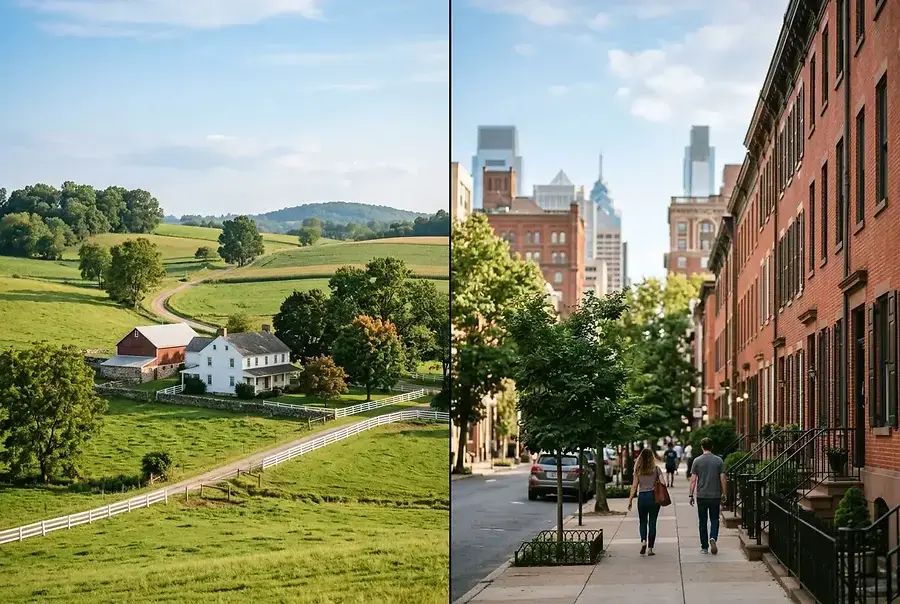
The Rural-Urban Divide in Pennsylvania Real Estate Pricing
Pennsylvania's real estate market presents a fascinating study in contrasts. The state's diverse geography—from bustling urban centers to peaceful rural landscapes—creates dramatically different property value dynamics. The Cumberland Valley, in particular, showcases this divide beautifully, offering potential buyers and investors a unique opportunity to understand how location type fundamentally shapes real estate economics.
The rural-urban divide in Pennsylvania isn't simply about price tags; it reflects deeper economic, demographic, and lifestyle factors that influence both current market values and future appreciation potential. Understanding these differences is crucial for anyone considering a real estate investment or looking to purchase their next home in the region.
How Property Values Differ Between Rural and Urban Neighborhoods
Urban Property Characteristics and Pricing
Urban neighborhoods in Pennsylvania, particularly in areas surrounding major cities, command premium prices driven by several key factors:
- Proximity to amenities: Urban properties benefit from walkable access to restaurants, shopping, entertainment, and cultural institutions
- Employment opportunities: Concentrated job markets in urban centers reduce commute times and increase earning potential
- Public transportation: Established transit systems add significant value for those seeking car-free lifestyles
- Population density: Higher demand in limited space naturally drives prices upward
- Infrastructure development: Established utilities, roads, and services support higher property valuations
In urban Cumberland Valley communities, you'll typically find properties ranging from modest townhomes to luxury apartments, with prices reflecting the convenience and lifestyle benefits these locations offer. The average price per square foot in urban areas significantly exceeds rural counterparts, sometimes by 50% or more.
Rural Property Characteristics and Pricing
Rural properties tell a different story, one centered on space, privacy, and natural beauty:
- Land availability: Larger parcels of land come at lower per-acre costs, appealing to those seeking space and privacy
- Lower cost of living: Reduced property taxes, utilities, and maintenance costs make rural living more affordable
- Lifestyle appeal: Peaceful settings, agricultural opportunities, and natural surroundings attract specific buyer demographics
- Lower population pressure: Reduced demand keeps prices more stable and accessible
- Investment potential: Land appreciation and development opportunities can yield significant returns
Rural properties in the Cumberland Valley often feature acreage, farmland, or spacious residential lots that would be unaffordable in urban settings. While the per-square-foot cost is lower, the total property value can still be substantial due to the larger land area included.
The Price Gap Reality
The numerical difference between rural and urban properties is striking. A modest urban townhome might cost $350,000 to $450,000, while a comparable amount could purchase a rural property with several acres, a larger home, and significant land for development or personal use. This gap reflects fundamental differences in what buyers value and what the market will bear.
Investment Potential and Long-Term Value Growth in Each Setting
Urban Investment Advantages
Urban properties offer compelling investment advantages for those focused on steady appreciation and rental income:
The rental market in urban areas remains robust, with consistent demand from young professionals, students, and those seeking walkable neighborhoods. This creates reliable income streams for property investors. Additionally, urban properties historically appreciate at steady rates, with the added benefit of being easier to sell quickly when needed.
Urban neighborhoods also benefit from ongoing infrastructure improvements, new business development, and population growth that continuously support property values. Gentrification trends in previously overlooked urban neighborhoods have created significant wealth-building opportunities for early investors.
Rural Investment Advantages
Rural properties present different but equally compelling investment opportunities:
Land appreciation in rural areas can be dramatic, particularly as suburban sprawl expands outward from urban centers. Properties purchased today in rural Cumberland Valley communities may find themselves in the path of future development, creating substantial windfall gains. Agricultural properties offer additional income through farming operations or conservation easements.
Rural properties also appeal to a growing demographic of remote workers who no longer need to live near traditional job centers. This shift has increased demand for rural properties with good internet connectivity, supporting price appreciation in previously stagnant markets.
Comparative Growth Trajectories
Urban properties typically show consistent, predictable appreciation of 2-4% annually, driven by steady demand and limited supply. Rural properties may appreciate more slowly in normal years but can experience dramatic jumps when development occurs or market conditions shift. The choice between these investment profiles depends on your risk tolerance and investment timeline.
"The best real estate investment is the one that aligns with your financial goals, lifestyle preferences, and market understanding. Both rural and urban properties have proven wealth-building potential in Pennsylvania."
Conclusion: Choosing the Right Location Type for Your Real Estate Goals
The rural-urban divide in Pennsylvania real estate isn't about one option being superior to another—it's about alignment. Your choice should reflect your personal priorities, investment objectives, and lifestyle preferences.
Choose urban if you: Value convenience, prefer rental income stability, want quick liquidity, or enjoy walkable neighborhoods with cultural amenities.
Choose rural if you: Seek privacy and space, want lower ongoing costs, believe in long-term land appreciation, or prefer a quieter lifestyle away from urban hustle.
The Cumberland Valley offers the best of both worlds, with thriving urban centers and beautiful rural communities within close proximity. Whether you're a first-time homebuyer, seasoned investor, or lifestyle-focused purchaser, understanding how location type impacts property values empowers you to make informed decisions that build wealth and support your vision for the future.
Take time to explore both settings, speak with local real estate professionals, and consider your long-term goals before making this important decision. The right choice will be the one that feels right for your unique circumstances.


