Understanding Providence Home Inspection: What Buyers Need to Know
A comprehensive guide to navigating the inspection process and protecting your investment in Providence real estate.

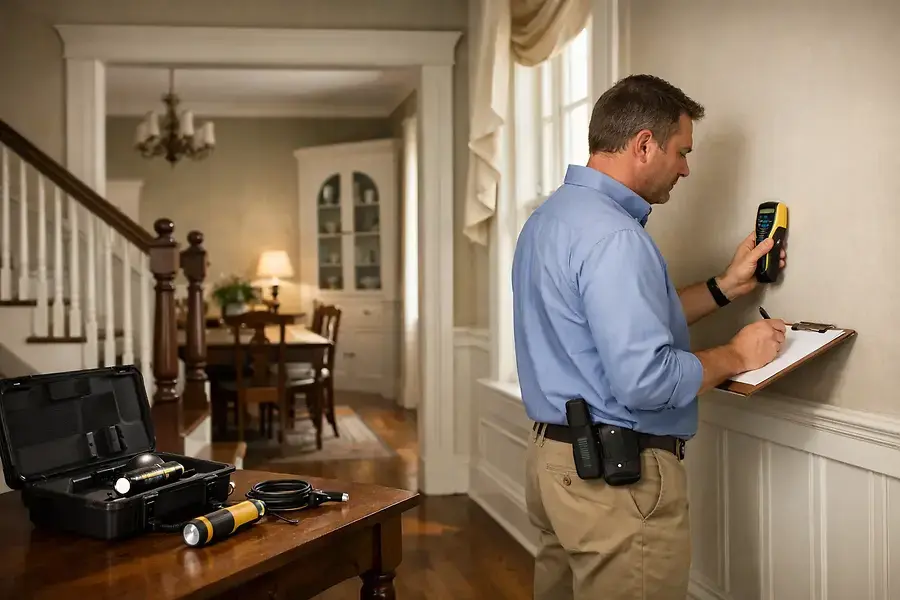
What to Expect During a Home Inspection in Providence
A home inspection is one of the most critical steps in the homebuying process. When you're purchasing a property in Providence, understanding what happens during this inspection can help you feel more confident and prepared. A typical home inspection takes between two to four hours, depending on the size and condition of the property.
During the inspection, a certified home inspector will thoroughly examine the property's structural components, systems, and overall condition. Here's what you can expect:
- Exterior Inspection: The inspector will check the roof, siding, foundation, gutters, and drainage systems to identify any visible damage or wear.
- Interior Systems: Electrical systems, plumbing, HVAC units, and water heaters will be tested and evaluated for proper function.
- Structural Elements: Walls, ceilings, floors, and the overall structural integrity of the home will be assessed.
- Appliances: Built-in appliances will be tested to ensure they're in working order.
- Safety Features: Smoke detectors, carbon monoxide detectors, and other safety systems will be verified.
As a buyer, you have the right to be present during the inspection. Many real estate professionals recommend attending so you can ask questions and gain firsthand knowledge about the property's condition. This is your opportunity to understand the home's strengths and weaknesses before making a final decision.
Common Issues Found in Providence Homes and How to Address Them
Aging Roofing Systems
Providence homes, particularly older properties, often have roofing issues. Asphalt shingles typically last 15-20 years, and many homes in the area have roofs that are approaching or exceeding this lifespan. If your inspection reveals roof damage, you can request the seller to repair or replace it before closing, or negotiate a credit toward the cost of repairs.
Foundation and Moisture Issues
The New England climate can be tough on foundations. Water intrusion and moisture problems are common in Providence homes, especially in basements. These issues can lead to mold growth and structural damage if left unaddressed. Request a detailed moisture assessment and obtain quotes for remediation before negotiating with the seller.
Outdated Electrical Systems
Older Providence homes may have outdated electrical systems that don't meet current safety standards. Knob-and-tube wiring and insufficient grounding can be serious safety hazards. If discovered, this is a significant negotiating point, as upgrading electrical systems can be expensive.
Plumbing Concerns
Aging pipes are another common issue in Providence properties. Galvanized pipes and cast iron drain lines deteriorate over time and may need replacement. Water pressure issues and slow drains are often indicators of these problems. Factor in the cost of pipe replacement when negotiating your offer.
HVAC System Age
Heating and cooling systems typically last 15-25 years. If the inspection reveals an aging HVAC system, budget for replacement in the near future or negotiate for the seller to address this before closing.
Using Inspection Results to Negotiate Better Terms
Request Repairs or Credits
Once you receive the inspection report, you have several options. You can request that the seller make repairs before closing, request a credit toward closing costs, or ask for a price reduction. Prioritize major issues like structural problems, electrical hazards, and roof damage over minor cosmetic concerns.
Obtain Multiple Quotes
Before negotiating, get estimates from licensed contractors for any significant repairs. This gives you concrete numbers to present to the seller and strengthens your negotiating position. Having professional quotes demonstrates that you've done your homework and have realistic expectations.
Know When to Walk Away
Sometimes inspection results reveal problems that are too costly or extensive to justify the purchase. Don't let emotions override good judgment. If repairs would exceed 10-15% of the purchase price, or if major structural issues are discovered, it may be wise to reconsider the purchase or renegotiate significantly.
Negotiate Strategically
Present your findings professionally and factually. Focus on safety issues and major systems rather than minor cosmetic problems. Be prepared to compromise—the seller may agree to fix some items while offering credits for others. Remember that your goal is to reach a fair agreement that protects your investment.
"A thorough home inspection is not an expense—it's an investment in your peace of mind and financial security as a homeowner."
Conclusion: Making Informed Decisions as a Providence Homebuyer
A home inspection is your opportunity to uncover potential issues before they become your responsibility. By understanding what to expect, recognizing common Providence-area problems, and knowing how to use inspection results effectively, you can make informed decisions that protect your investment.
Take the inspection process seriously, attend the inspection if possible, and don't hesitate to ask questions. Work with your real estate agent to develop a negotiation strategy based on the findings. Remember, buying a home is one of the largest financial decisions you'll make—ensuring you have all the information you need is essential to your success as a Providence homebuyer.
Whether you're a first-time buyer or an experienced investor, prioritizing a comprehensive home inspection sets the foundation for a confident and secure real estate transaction.


