Understanding Real Estate Market Trends Across Greater Seattle
Discover how neighborhoods from Snohomish to Bellevue are shifting in value, inventory, and buyer demand.

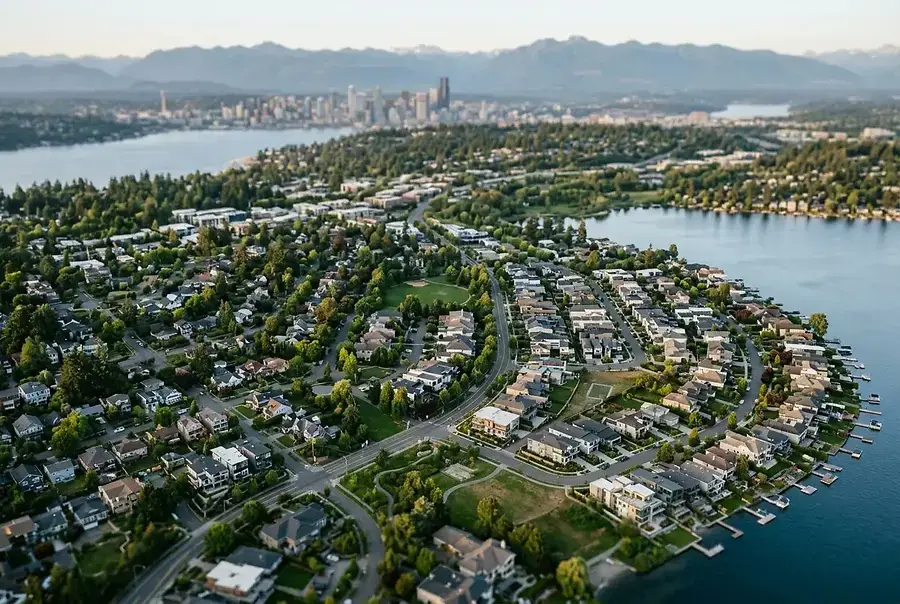
Introduction: Understanding the Greater Seattle Real Estate Landscape
The Greater Seattle real estate market continues to evolve in fascinating ways, reflecting broader economic shifts, demographic changes, and lifestyle preferences among homebuyers. From the suburban communities of Snohomish and Marysville to the tech-hub neighborhoods of Bellevue and Redmond, the region presents a diverse portfolio of investment opportunities and living options. Understanding these market dynamics is essential for anyone considering a move, investment, or simply wanting to stay informed about their community's property values.
The Pacific Northwest's appeal remains strong, with Seattle's vibrant culture, proximity to natural beauty, and robust job market continuing to attract residents from across the country. However, the distribution of buyers and investment capital across the region has shifted considerably, creating winners and challengers in the neighborhood landscape.
Market Dynamics: Price Movements and Inventory Levels Across 15 Key Communities
Price Trends and Market Momentum
The Greater Seattle market has experienced notable price stabilization after several years of rapid appreciation. Key neighborhoods showing resilience include:
- Bellevue: Maintaining premium pricing with strong demand from tech professionals and international buyers
- Redmond: Benefiting from continued tech industry growth and excellent schools
- Kirkland: Attracting buyers seeking waterfront access and vibrant downtown amenities
- Sammamish: Remaining competitive with family-oriented buyers due to top-rated schools
- Issaquah: Showing steady appreciation with balanced inventory levels
Meanwhile, emerging opportunities are appearing in secondary markets like Snohomish, Bothell, and Shoreline, where more affordable entry points are attracting first-time homebuyers and investors seeking value.
Inventory Landscape
Inventory levels vary significantly across the region. Established neighborhoods with limited new construction are experiencing tighter supply, which continues to support prices. Conversely, areas with new development projects are seeing increased inventory, providing more options for buyers but potentially moderating price growth.
"The key to success in today's market is understanding your specific neighborhood's supply-demand dynamics," according to local market analysts. Each community tells its own story through inventory levels and buyer activity.
Neighborhood Comparison: Where Buyers Are Moving and Why
The Tech Corridor: Bellevue, Redmond, and Kirkland
These neighborhoods continue to dominate buyer interest, driven by proximity to major tech employers and excellent schools. Median prices remain elevated, but the quality of life and career opportunities justify the investment for many families and professionals. The presence of major corporate campuses creates a self-reinforcing cycle of demand and appreciation.
Family-Friendly Suburbs: Sammamish, Issaquah, and Mercer Island
Buyers prioritizing excellent schools and suburban living continue to gravitate toward these communities. These neighborhoods offer:
- Top-rated school districts with consistent academic performance
- Spacious lots and family-oriented amenities
- Strong community engagement and neighborhood stability
- Access to parks, trails, and outdoor recreation
Emerging Value Markets: Snohomish, Bothell, and Shoreline
Smart buyers are increasingly recognizing the value in these communities. Snohomish's charming downtown and historic character appeal to those seeking authenticity. Bothell's proximity to tech jobs combined with more affordable pricing makes it attractive to commuters. Shoreline offers urban convenience with slightly lower price points than closer-in neighborhoods.
Waterfront and Urban Appeal: Seattle, Tacoma, and Bremerton
Urban-oriented buyers continue to seek walkable neighborhoods with cultural amenities, dining, and entertainment options. Waterfront properties command premium pricing, while urban neighborhoods offer the lifestyle appeal that attracts younger professionals and empty nesters.
Conclusion: Positioning Yourself for Success in a Dynamic Market
The Greater Seattle real estate market offers opportunities for every buyer profile and investment strategy. Success requires understanding your priorities, whether that's proximity to employment, school quality, lifestyle amenities, or investment potential.
Key takeaways for navigating this market include:
- Research neighborhood-specific trends rather than relying on regional generalizations
- Consider long-term community development plans and infrastructure investments
- Evaluate inventory levels and days-on-market to understand local supply-demand dynamics
- Factor in commute times and transportation options when evaluating neighborhoods
- Work with local real estate professionals who understand micro-market conditions
Whether you're a first-time homebuyer, growing family, or seasoned investor, the Greater Seattle region continues to offer compelling opportunities. By understanding the distinct characteristics of each neighborhood and the broader market dynamics at play, you can make informed decisions that align with your goals and values. The market rewards those who do their homework and understand the unique story each community tells.