Understanding Residential Market Trends Across Greater Seattle and Puget Sound
Discover how neighborhoods from Redmond to Port Orchard are reshaping the Pacific Northwest's housing landscape.

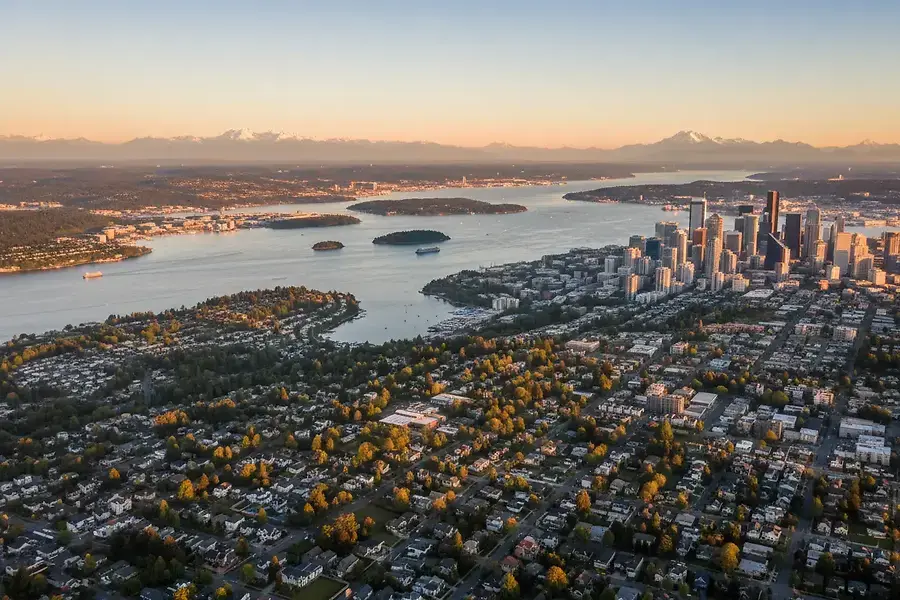
Current Market Conditions and Price Movements Across the Puget Sound Region
The Puget Sound residential market continues to demonstrate resilience and growth, with significant price movements reshaping buyer expectations and investment strategies. The region spanning from Seattle to Port Orchard has experienced notable fluctuations, reflecting broader economic trends and local demand patterns.
Market dynamics have shifted considerably, with inventory levels stabilizing after years of scarcity. Buyers now enjoy more options, though competition remains fierce in desirable neighborhoods. Price appreciation has moderated compared to previous years, creating a more balanced environment for both buyers and sellers.
Key factors influencing current market conditions include:
- Interest rate adjustments affecting buyer purchasing power
- Tech industry growth and employment patterns in the region
- Population migration trends favoring suburban communities
- New construction projects adding supply to the market
- Remote work flexibility changing location preferences
The median home prices across the Puget Sound region reflect these dynamics, with urban core areas experiencing different trajectories than suburban communities. Understanding these movements is essential for making informed real estate decisions.
Neighborhood-by-Neighborhood Breakdown: What Buyers and Sellers Should Know
Seattle and Urban Core Markets
Seattle's neighborhoods continue to attract buyers seeking walkability and urban amenities. Ballard, Capitol Hill, and Queen Anne remain popular, though prices have stabilized compared to previous years. These areas offer strong rental potential and long-term appreciation prospects.
Eastside Communities: Redmond, Bellevue, and Kirkland
The Eastside has emerged as a powerhouse for residential investment. Redmond benefits from proximity to major tech employers and excellent schools, making it attractive for families and professionals. Bellevue continues commanding premium prices due to its upscale amenities and strong market fundamentals. Kirkland offers a compelling blend of waterfront charm and suburban convenience.
South Sound Markets: Tacoma and Port Orchard
South Sound communities are experiencing increased buyer interest as more affordable alternatives to Seattle. Tacoma's revitalized downtown and Port Orchard's waterfront appeal attract both primary residence buyers and investors seeking value. These areas offer significant appreciation potential as infrastructure improvements continue.
Suburban Growth Corridors
Communities like Sammamish, Issaquah, and Renton are experiencing robust growth driven by:
- Family-friendly environments with excellent schools
- Proximity to employment centers
- New residential development projects
- Improved transportation infrastructure
- Community amenities and parks
Investment Potential and Long-Term Value in Emerging Residential Areas
Identifying High-Potential Markets
Savvy investors are focusing on emerging neighborhoods with strong fundamentals. Areas experiencing population growth, job creation, and infrastructure improvements typically deliver superior long-term returns. South King County and Pierce County communities represent particularly compelling opportunities for value-conscious investors.
Rental Market Dynamics
The rental market across the Puget Sound region remains robust, with strong demand supporting investment returns. Single-family rentals and multi-unit properties continue attracting institutional and individual investors. Neighborhoods with diverse housing stock and strong employment centers offer the most stable rental income potential.
Development and Infrastructure Trends
Upcoming infrastructure projects significantly impact long-term property values. Transit expansion, highway improvements, and commercial development create catalysts for appreciation. Investors monitoring these projects can position themselves ahead of market shifts.
Pro Tip: Properties within walking distance of future transit stations often experience accelerated appreciation as infrastructure projects near completion.
Positioning Yourself as a Local Expert in a Competitive Market
Building Market Knowledge
Becoming a trusted local expert requires deep understanding of neighborhood-specific dynamics. This includes:
- Historical price trends and market cycles
- School district ratings and performance metrics
- Employment centers and commute patterns
- Demographic shifts and population trends
- Local amenities and quality-of-life factors
- Zoning regulations and development potential
Leveraging Data and Analytics
Data-driven insights differentiate true experts from casual market observers. Utilizing advanced analytics tools, market reports, and comparative market analysis enables you to provide clients with actionable intelligence. Understanding absorption rates, days-on-market, and price-per-square-foot metrics across neighborhoods establishes credibility.
Networking and Community Engagement
Successful local experts maintain strong connections within their communities. Attending neighborhood events, joining local business organizations, and building relationships with other professionals creates opportunities for referrals and collaboration. Community involvement demonstrates genuine commitment to understanding and serving local markets.
Continuous Education and Adaptation
The real estate market evolves constantly. Staying current with market trends, regulatory changes, and emerging opportunities requires ongoing education. Pursuing advanced certifications, attending industry conferences, and participating in professional development ensures your expertise remains relevant and valuable.
By combining comprehensive market knowledge, data analytics, community engagement, and continuous learning, you position yourself as an indispensable resource for buyers, sellers, and investors navigating the dynamic Puget Sound residential market.


