Understanding Residential Property Appraisals and Their Impact on Your Home's Value
Learn how appraisals work, what factors influence your home's valuation, and why getting an accurate assessment matters for buyers and sellers.

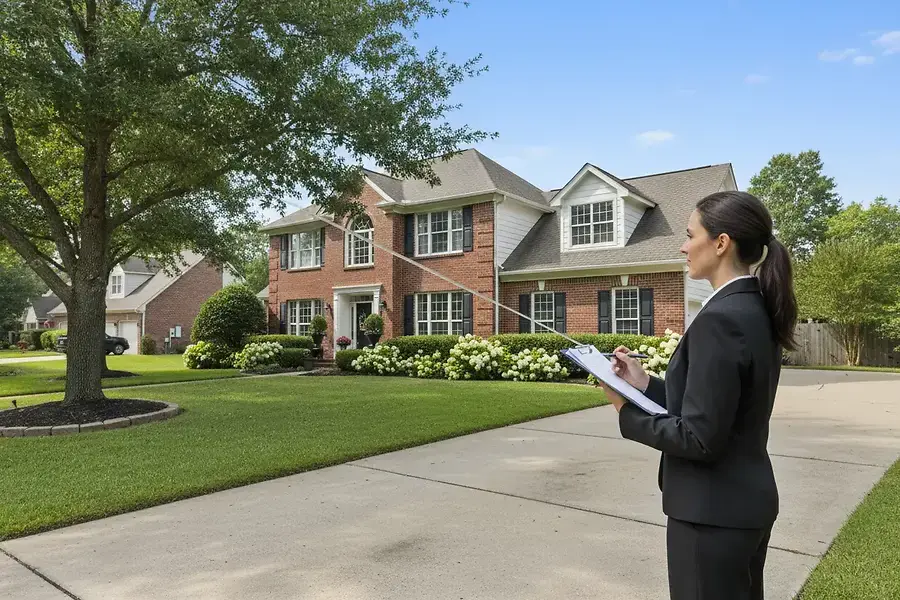
Introduction: Why Residential Property Appraisals Matter More Than You Think
Whether you're buying, selling, or refinancing a home, a residential property appraisal is one of the most critical steps in the real estate process. An appraisal is an unbiased, professional assessment of your home's market value, conducted by a certified appraiser. Unlike a home inspection, which evaluates the condition of the property, an appraisal focuses specifically on determining what your home is worth in the current market.
For sellers, an accurate appraisal helps establish a competitive listing price. For buyers, it ensures they're not overpaying for a property. For lenders, it protects their investment by confirming the property's value matches the loan amount. Understanding how appraisals work and what influences them can help you navigate the real estate market with confidence and make informed decisions that protect your financial interests.
How Professional Appraisers Evaluate Your Home: Key Factors and Methods
The Appraisal Process
Professional appraisers follow a standardized process to evaluate residential properties. They begin by researching recent sales of comparable homes in your area, known as "comps." These comparable properties should be similar in size, age, location, and condition to your home. The appraiser then conducts an in-person inspection of your property, examining both the interior and exterior to assess its overall condition and features.
Key Factors That Influence Your Home's Valuation
Several important factors directly impact how an appraiser values your home:
- Location and Neighborhood: The neighborhood's desirability, school district quality, proximity to amenities, and local economic conditions significantly affect property values.
- Property Size and Layout: Square footage, number of bedrooms and bathrooms, and the overall floor plan influence the appraisal value.
- Age and Condition: Newer homes or recently renovated properties typically appraise higher than older homes with deferred maintenance.
- Structural Integrity: The foundation, roof, electrical systems, plumbing, and HVAC systems are carefully evaluated for any issues.
- Upgrades and Features: Modern kitchens, updated bathrooms, energy-efficient windows, and smart home features can increase appraised value.
- Market Conditions: Whether it's a buyer's or seller's market affects how comparable properties are valued and influences the final appraisal.
- Curb Appeal: Landscaping, exterior condition, and overall aesthetic presentation matter to appraisers and potential buyers alike.
Appraisal Methods
Appraisers typically use three main approaches to determine property value:
The Sales Comparison Approach: This is the most common method for residential properties. The appraiser compares your home to recently sold similar properties in the area, adjusting for differences in features, condition, and location. This approach is particularly effective in active real estate markets with plenty of comparable sales data.
The Cost Approach: This method calculates the cost to rebuild your home from scratch, including land value and construction costs, minus depreciation. It's useful for newer homes or properties with unique features that make comparisons difficult.
The Income Approach: While less common for primary residences, this method is sometimes used for investment properties or multi-unit homes. It estimates value based on the income the property could generate through rental.
Common Appraisal Challenges and How to Address Them Before They Affect Your Sale
Low Appraisals
One of the most frustrating scenarios in real estate is when a home appraises for less than the agreed-upon purchase price. This can happen when the appraiser uses outdated comparable sales, overlooks recent improvements, or when market conditions have shifted. If you receive a low appraisal, you have several options: request a reconsideration of value, provide the appraiser with additional information about recent upgrades, challenge the comparable properties used, or negotiate the sale price with the buyer.
Preparing Your Home for Appraisal
To maximize your appraisal value, prepare your home strategically:
- Clean and declutter both inside and outside to present your home in its best light
- Make minor repairs and address obvious maintenance issues before the appraisal
- Compile documentation of recent renovations, upgrades, and improvements with receipts
- Ensure the appraiser has accurate information about square footage and property features
- Highlight unique features or upgrades that add value to your home
Addressing Appraisal Discrepancies
If you believe the appraisal is inaccurate, gather evidence to support your position. Document recent comparable sales that support a higher value, compile proof of recent improvements and their costs, and provide information about neighborhood amenities or improvements. Present this information professionally to request a reconsideration. Many appraisers will review their work if presented with compelling evidence they may have missed important factors.
Market-Related Challenges
In rapidly changing markets, appraisals can lag behind actual property values. If you're selling in a hot market, the appraiser might use older comparable sales that don't reflect current demand. Conversely, in declining markets, appraisals might be higher than what buyers are willing to pay. Understanding your local market conditions helps you anticipate potential appraisal issues and address them proactively.
Conclusion: Using Appraisal Knowledge to Make Smarter Real Estate Decisions
Residential property appraisals are a fundamental part of the real estate transaction process, and understanding how they work empowers you to make better decisions. Whether you're a buyer, seller, or homeowner, knowing what appraisers evaluate and how they determine value helps you navigate the market more effectively.
For sellers, this knowledge means pricing your home competitively and preparing it to appraise at its true value. For buyers, it means understanding whether you're making a sound investment. For all parties involved, it means recognizing that appraisals are based on objective criteria and market data, not emotions or wishful thinking.
By taking the time to understand appraisals, addressing potential issues before they arise, and working with qualified professionals, you can ensure that your home receives an accurate assessment that reflects its true market value. This foundation of knowledge will serve you well throughout your real estate journey and help you make decisions that protect your financial interests for years to come.


