Understanding Residential Property Appraisals and Their Impact on Your Sale
Learn what appraisers evaluate and how to prepare your home to achieve the highest possible valuation.

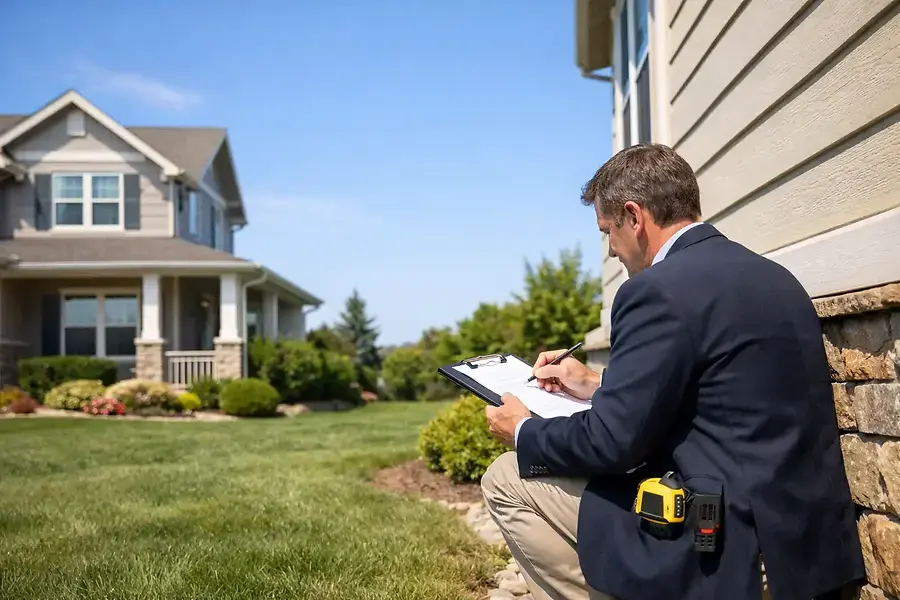
Introduction: Why Home Appraisals Matter for Sellers
When you decide to sell your home, one of the most critical steps in the process is the property appraisal. An appraisal is an unbiased, professional assessment of your home's market value, and it plays a crucial role in determining the final sale price. Whether you're a first-time seller or an experienced homeowner, understanding how appraisals work can significantly impact your bottom line.
Many sellers underestimate the importance of appraisals, viewing them as merely a formality. However, the appraised value directly influences your home's listing price, affects buyer financing, and can make or break a deal. A thorough understanding of what appraisers look for—and how to prepare your home accordingly—can help you achieve the highest possible valuation.
Key Factors Appraisers Evaluate in Residential Properties
Property Location and Neighborhood Characteristics
Location is one of the most significant factors in property valuation. Appraisers assess the desirability of your neighborhood, including proximity to schools, shopping centers, public transportation, and employment hubs. They also evaluate the overall condition of the neighborhood, crime rates, and trends in property values in the area.
What this means for you: While you cannot change your location, understanding how your neighborhood is perceived can help you market your home more effectively and set realistic expectations for your appraisal.
Property Size and Layout
Appraisers carefully measure your home's square footage and evaluate the overall layout. They consider the number of bedrooms, bathrooms, living spaces, and how efficiently the space is utilized. Open floor plans and well-designed layouts typically receive higher valuations than cramped or awkwardly configured homes.
Structural Condition and Foundation
The structural integrity of your home is paramount. Appraisers inspect the foundation, roof, walls, and overall structural soundness. Any signs of settling, cracks, water damage, or foundation issues will negatively impact your appraisal. A well-maintained structure is essential for achieving a strong valuation.
Age and Condition of Major Systems
Appraisers evaluate the age and condition of critical systems including:
- Electrical systems – Updated wiring and modern panels are preferred
- Plumbing – Functional, leak-free systems add significant value
- HVAC systems – Well-maintained heating and cooling systems are essential
- Roof – A newer roof or one in excellent condition boosts appraisal value
- Water heater – Modern, efficient units are valued higher
Interior and Exterior Condition
The overall appearance and condition of your home matter greatly. Appraisers note the condition of flooring, walls, paint, fixtures, and finishes. Outdated or damaged interiors will lower your appraisal, while well-maintained spaces with modern updates will increase it. Exterior condition, including landscaping, siding, and curb appeal, also influences the final valuation.
Comparable Sales and Market Trends
Appraisers research recent sales of similar properties in your area to establish a baseline for valuation. They analyze market trends, supply and demand, and economic factors affecting your local real estate market. This comparative approach ensures your home is valued fairly relative to the current market.
Preparation Tips to Maximize Your Home's Appraised Value
Enhance Curb Appeal
First impressions matter. Before an appraiser arrives, ensure your home's exterior is inviting and well-maintained. Paint the front door, trim hedges, power wash the driveway, and ensure the lawn is neat and healthy. Fresh landscaping and clean windows can significantly boost the appraiser's initial perception of your property.
Address Major Repairs and Updates
Don't ignore obvious problems. Fix leaky faucets, repair damaged walls, replace broken fixtures, and address any visible structural issues. Major repairs and updates to critical systems like roofing, electrical, and plumbing can substantially increase your appraisal value. However, avoid over-improving—focus on repairs that provide good return on investment.
Declutter and Clean Thoroughly
A clean, organized home allows appraisers to see your property in its best light. Remove personal clutter, organize closets, and ensure every room is spotless. A well-maintained, clean home suggests to the appraiser that you've cared for the property properly.
Document Recent Improvements
Gather receipts and documentation for any recent renovations, repairs, or upgrades you've made. This evidence helps appraisers understand the quality of work and materials used, potentially increasing the value they assign to these improvements.
Ensure Easy Access for the Appraisal
Make sure the appraiser can easily access all areas of your home, including the attic, basement, and crawl spaces. Clear pathways, unlock gates, and provide access to utilities. An appraiser who can thoroughly inspect your property is more likely to identify positive features that increase value.
Highlight Unique Features and Upgrades
Prepare a list of notable features and recent upgrades to share with the appraiser. This might include energy-efficient windows, updated appliances, new flooring, or smart home features. Don't assume the appraiser will notice everything—politely point out improvements that add value.
Maintain Proper Permits and Records
If you've made significant renovations or additions, ensure all work was done with proper permits and inspections. Unpermitted work can actually decrease your home's value, so having documentation of permitted, professional work is crucial.
Conclusion: Leveraging Appraisals to Strengthen Your Real Estate Position
Understanding residential property appraisals empowers you to take control of your home sale. By recognizing what appraisers evaluate and preparing your home accordingly, you can maximize your property's appraised value and strengthen your negotiating position.
Remember that appraisals are not just about the final number—they're about presenting your home in the best possible light while maintaining honesty and integrity. Focus on addressing legitimate maintenance issues, enhancing curb appeal, and ensuring the appraiser has complete access to your property.
The key to a successful appraisal is preparation, transparency, and understanding that small improvements and attention to detail can make a significant difference in your home's final valuation.
By taking these steps, you'll be well-positioned to achieve a strong appraisal that supports your asking price and helps you close your sale successfully.


