Understanding Residential Property Inspections and What They Reveal
Learn what home inspectors look for and why a thorough inspection protects your investment.

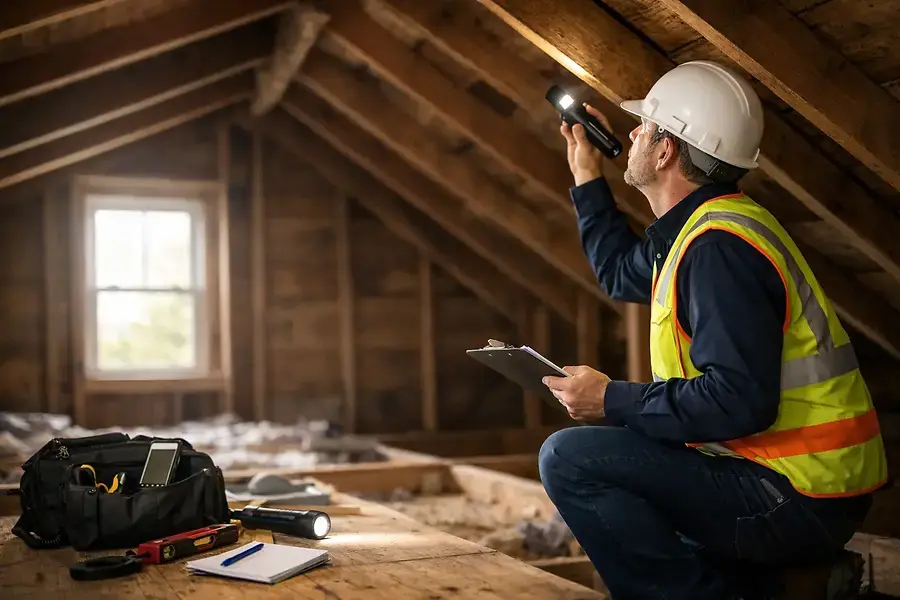
Why Property Inspections Matter in Residential Real Estate
Purchasing a home is one of the most significant financial decisions you'll make in your lifetime. Whether you're a first-time homebuyer or an experienced investor, a professional property inspection is an essential step that should never be skipped. A thorough home inspection provides you with a detailed understanding of the property's condition, potential issues, and necessary repairs before you commit to the purchase.
Many buyers underestimate the value of a professional inspection, viewing it as an unnecessary expense. However, the cost of an inspection—typically between $300 and $500—is minimal compared to the potential expenses of discovering major structural problems, electrical hazards, or plumbing issues after closing. An inspection gives you the knowledge and leverage needed to make informed decisions about your investment.
What Professional Inspectors Examine: Structural Systems, Safety, and Hidden Issues
Structural Integrity and Foundation
Home inspectors begin by evaluating the foundation and overall structural integrity of the property. They look for signs of settling, cracks in the foundation, water damage, and any structural weaknesses that could compromise the home's stability. A compromised foundation can be extremely costly to repair, making this one of the most critical areas of inspection.
Roofing and Exterior Systems
The roof is your home's first line of defense against the elements. Inspectors examine:
- Roof condition and remaining lifespan
- Signs of leaks or water damage
- Gutters and downspout functionality
- Exterior walls, siding, and caulking
- Windows and doors for proper sealing
A roof replacement can cost $10,000 to $25,000 or more, so understanding its condition is crucial for budgeting future maintenance.
Electrical Systems
Electrical safety is paramount in any home. Inspectors evaluate the electrical panel, wiring, outlets, and switches to ensure they meet current safety codes. They check for outdated wiring, insufficient grounding, and potential fire hazards. Faulty electrical systems can pose serious safety risks and may require expensive upgrades.
Plumbing and Water Systems
Inspectors test water pressure, check for leaks, examine pipes for corrosion, and evaluate the water heater's condition. They also assess the septic system or sewer connection. Hidden plumbing issues can lead to water damage, mold growth, and costly repairs if not identified early.
HVAC Systems
The heating, ventilation, and air conditioning systems are tested for proper operation and efficiency. Inspectors check the furnace, air conditioning unit, and ductwork. A failing HVAC system can be expensive to replace, typically costing $5,000 to $10,000.
Insulation and Ventilation
Proper insulation and ventilation affect energy efficiency and indoor air quality. Inspectors evaluate attic insulation levels, ventilation adequacy, and signs of moisture problems that could indicate poor ventilation.
Interior Components
Beyond major systems, inspectors examine:
- Walls, ceilings, and floors for damage or settling
- Doors and windows for proper operation
- Stairs and railings for safety compliance
- Appliances included in the sale
- Basement or crawl space conditions
Safety Hazards and Environmental Concerns
Professional inspectors also screen for potential hazards such as asbestos, lead paint, mold, and radon. These environmental concerns can pose serious health risks and may require specialized remediation. While a standard inspection may identify these issues, specialized testing is often recommended for comprehensive evaluation.
How Inspection Reports Impact Negotiations and Your Purchase Decision
Understanding the Inspection Report
After the inspection, you'll receive a detailed report documenting all findings. The report typically categorizes issues by severity—from minor cosmetic concerns to major structural problems. Understanding this report is crucial for making your next move.
Negotiation Leverage
A thorough inspection report provides concrete evidence for negotiations. If significant issues are discovered, you have several options:
- Request the seller make repairs before closing
- Negotiate a price reduction to account for repair costs
- Request a credit at closing for repairs you'll handle yourself
- Walk away from the deal if issues are too severe
Armed with professional findings, your negotiating position is strengthened considerably. Sellers are more likely to take your requests seriously when backed by an inspector's report.
Budgeting for Future Maintenance
Even if you proceed with the purchase, the inspection report helps you understand what maintenance and repairs lie ahead. You can budget accordingly and prioritize which issues to address first. This knowledge prevents unpleasant financial surprises down the road.
Making Your Final Decision
A professional home inspection transforms the home-buying process from a leap of faith into an informed decision based on facts and expert analysis.
The inspection report gives you the confidence to move forward or the justification to reconsider. Some buyers discover that a property's true condition doesn't match the asking price, while others find that minor issues are easily manageable. Either way, you're making your decision with complete information.
Making Informed Decisions Through Professional Home Inspections
A residential property inspection is not an optional luxury—it's a fundamental protection for your investment. The inspection process reveals hidden problems, identifies safety hazards, and provides the information you need to negotiate effectively and budget wisely.
When selecting a home inspector, choose someone who is licensed, insured, and experienced. Ask for references and ensure they provide comprehensive written reports. The small investment in a professional inspection can save you thousands of dollars and protect your family's safety.
Whether you're buying your first home or your fifth, never skip the inspection. It's the single best way to ensure that your real estate investment is sound, safe, and worth the price you're paying. Your future self will thank you for the diligence you exercise today.


