Understanding Residential Property Taxes in Southeast South Dakota
A comprehensive guide to residential property tax assessments and what homeowners in Brandon, Harrisburg, Hartford, Sioux Falls, Tea, and Valley Springs should expect.

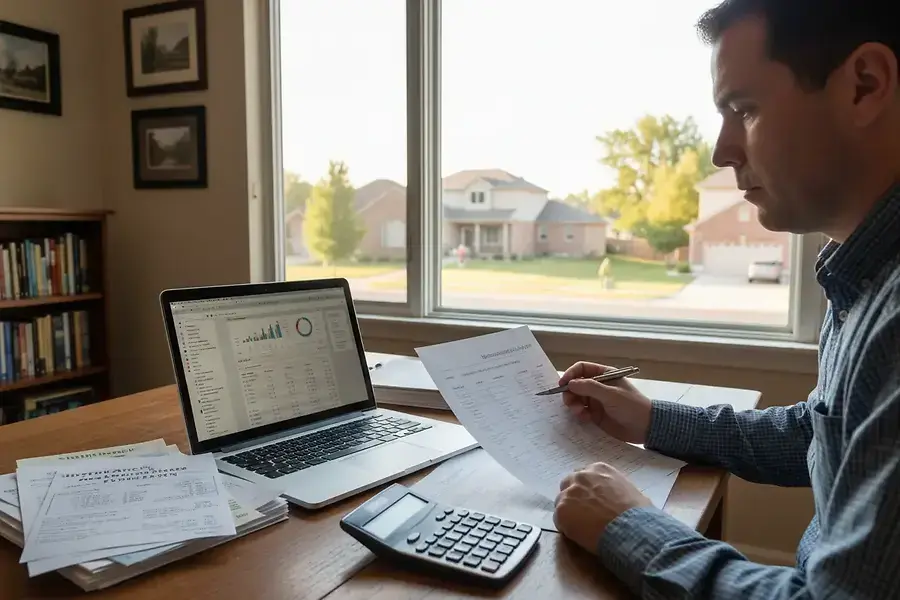
Introduction to Southeast South Dakota Property Taxes
Property taxes are a significant expense for homeowners in Southeast South Dakota, and understanding how they work is essential for making informed financial decisions. Whether you own a home in Brandon, Harrisburg, Hartford, Sioux Falls, Tea, or Valley Springs, your property tax bill directly impacts your overall housing costs and long-term investment returns.
Property taxes fund critical local services including schools, infrastructure, emergency services, and community development. In Southeast South Dakota, these taxes are calculated based on your property's assessed value and the local tax rate set by county and municipal governments. Understanding this system helps you budget effectively and identify opportunities to reduce your tax burden.
How Property Assessments Work in Your County
The Assessment Process
County assessors evaluate residential properties to determine their fair market value, which serves as the basis for property tax calculations. This process typically involves:
- Physical inspections: Assessors examine your home's structure, condition, size, and improvements
- Comparable sales analysis: Recent sales of similar properties in your area are reviewed to establish market value
- Income approach: For rental properties, potential rental income may be considered
- Cost approach: The replacement cost of your home and land is evaluated
Assessment Frequency and Updates
In South Dakota, residential properties are typically reassessed every four years, though some counties may conduct more frequent reviews. Between assessments, your property value may be adjusted based on market conditions, improvements you've made, or changes to your property.
Understanding Your Assessment Notice
When you receive your assessment notice, it will include your property's assessed value, the assessment ratio used, and your estimated tax liability. Review this document carefully to ensure all information about your property is accurate, including square footage, number of bedrooms, and condition ratings.
Comparing Tax Rates Across Brandon, Harrisburg, Hartford, Sioux Falls, Tea, and Valley Springs
Tax Rate Variations
Property tax rates vary significantly across Southeast South Dakota communities due to differences in local service needs and funding priorities. Here's what homeowners should know:
- Sioux Falls: As the largest city in the region, Sioux Falls has a diverse tax base and competitive rates that reflect urban services and infrastructure needs
- Brandon: This growing community offers moderate tax rates with expanding amenities and services
- Tea: Known for family-friendly living, Tea maintains rates that balance growth with affordability
- Hartford: This smaller community typically features lower tax rates reflecting its rural character
- Harrisburg: Positioned between rural and suburban, Harrisburg offers competitive rates for homeowners
- Valley Springs: This scenic community maintains rates aligned with its small-town character
Factors Affecting Your Local Tax Rate
Your specific tax bill depends on more than just the community tax rate. School district funding needs, county services, municipal bonds, and special assessments all influence your final tax obligation. Additionally, homestead exemptions and agricultural classifications may apply to your property, potentially reducing your tax burden.
Strategies to Appeal Assessments and Reduce Your Tax Burden
Filing an Assessment Appeal
If you believe your property has been overassessed, you have the right to appeal. The process typically involves:
- Gathering documentation supporting your position (recent appraisals, comparable sales data, property condition photos)
- Submitting a formal appeal to your county assessor within the specified timeframe
- Presenting your case at a hearing before the county assessment board
- Pursuing further appeals through the state if necessary
Legitimate Tax Reduction Strategies
Homestead exemptions: South Dakota offers homestead exemptions that may reduce your taxable property value if you occupy the home as your primary residence.
Property improvements documentation: Keep detailed records of renovations and improvements. If your assessment doesn't reflect recent upgrades or if you've made energy-efficient improvements, this information can support an appeal.
Market analysis: Research recent sales of comparable properties in your neighborhood. If similar homes sold for less than your assessed value, this data strengthens your appeal case.
Professional appraisals: Consider obtaining an independent appraisal if you believe your assessment is significantly inaccurate. This professional opinion carries substantial weight in appeals.
Long-Term Tax Planning
Beyond appeals, consider these strategies for managing property taxes over time:
- Budget for annual tax increases and plan accordingly
- Stay informed about local tax rate changes and bond measures
- Maintain your property to preserve its value and avoid assessment increases due to deterioration
- Explore whether you qualify for agricultural or other special classifications
Conclusion: Making Informed Decisions About Your Residential Investment
Property taxes are a permanent part of homeownership in Southeast South Dakota, but understanding how they're calculated and knowing your rights empowers you to make better financial decisions. Whether you live in Sioux Falls, Brandon, Tea, Hartford, Harrisburg, or Valley Springs, taking time to understand your assessment and exploring legitimate reduction strategies can result in significant savings.
Key takeaways: Review your assessment notice carefully, understand how your community's tax rate compares to others, and don't hesitate to appeal if you believe your property has been overassessed. By staying informed and proactive, you can ensure you're paying a fair share while protecting your residential investment for years to come.