Understanding Residential Property Valuation: What Affects Your Home's Worth
Learn how professional appraisers determine home values and what factors directly impact your property's market worth.

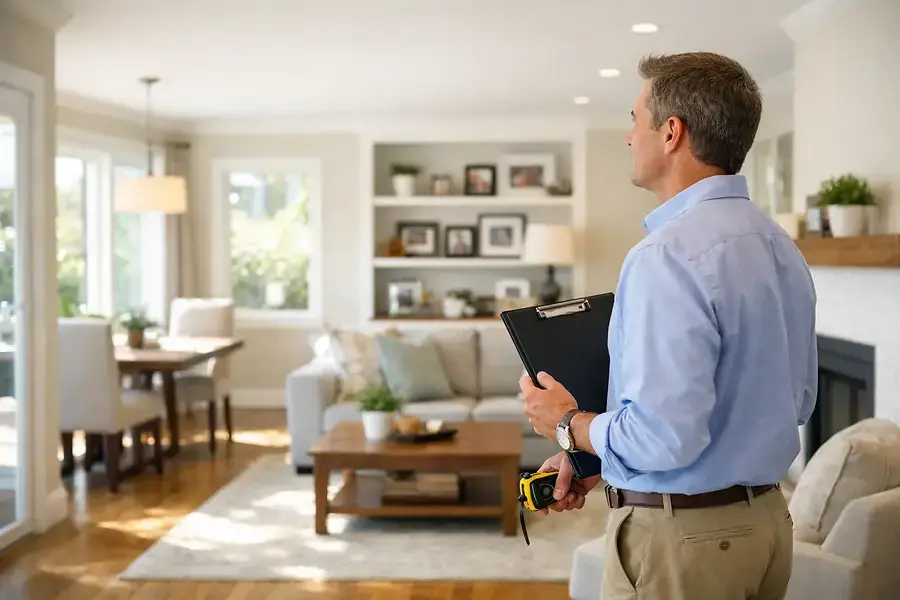
Understanding the Appraisal Process and Key Valuation Methods
When you're buying, selling, or refinancing a home, understanding how appraisers determine property value is essential. Professional appraisers use standardized methods to evaluate residential properties, ensuring consistency and fairness in the real estate market. The appraisal process involves a thorough inspection of your property and a detailed analysis of comparable sales in your area.
There are three primary valuation methods that appraisers employ:
- The Sales Comparison Approach: This method compares your property to recently sold homes with similar characteristics in your neighborhood. Appraisers adjust for differences in size, condition, and amenities to determine a fair market value.
- The Cost Approach: This method calculates the cost to rebuild your home from scratch, including land value and construction expenses, minus depreciation. It's particularly useful for newer properties.
- The Income Approach: Primarily used for rental properties, this method determines value based on the income the property generates.
Most residential appraisals rely heavily on the sales comparison approach, as it reflects actual market conditions and buyer behavior. Appraisers spend considerable time researching comparable properties and making precise adjustments to arrive at an accurate valuation.
Critical Factors That Influence Residential Property Values
Multiple factors work together to determine your home's market value. Understanding these elements can help you make informed decisions about your property investment.
Location and Neighborhood Characteristics
Location is arguably the most important factor affecting property value. Homes in desirable neighborhoods with good schools, low crime rates, and convenient access to amenities command higher prices. Proximity to employment centers, public transportation, shopping, and recreational facilities also significantly impacts value. Additionally, the overall condition and trajectory of the neighborhood—whether it's appreciating or declining—plays a crucial role in determining your home's worth.
Property Condition and Age
The physical condition of your home directly affects its valuation. Properties with updated systems, modern appliances, and well-maintained structures are valued higher than homes requiring significant repairs. The age of major systems like roofing, HVAC, plumbing, and electrical work is carefully evaluated. While older homes can be charming, they may require more maintenance, which appraisers factor into their assessments.
Size and Layout
Square footage is a fundamental metric in property valuation. Appraisers measure living space, including bedrooms, bathrooms, and functional areas. However, quality of space matters as much as quantity. An efficient, well-designed layout with good flow adds value, while awkward configurations may reduce it. Finished basements, bonus rooms, and additional living spaces increase property value when properly constructed.
Market Conditions and Economic Factors
The broader real estate market significantly influences property values. In a seller's market with high demand and low inventory, prices typically rise. Conversely, a buyer's market may result in lower valuations. Interest rates, employment levels, and overall economic health also impact how much buyers are willing to pay for residential properties.
Upgrades and Improvements
Strategic home improvements can enhance your property's value. Kitchen and bathroom renovations typically offer strong returns on investment. Energy-efficient upgrades, updated flooring, fresh paint, and modern fixtures appeal to buyers and appraisers alike. However, not all improvements add equal value—luxury upgrades may not recoup their full cost, while practical improvements generally provide better returns.
How to Prepare Your Home for Maximum Appraisal Results
If you're facing an appraisal, there are strategic steps you can take to present your home in the best possible light.
Enhance Curb Appeal
First impressions matter significantly. Ensure your landscaping is neat and well-maintained, paint the front door, clean windows, and repair any visible exterior damage. A well-maintained exterior suggests that the interior has been cared for equally well.
Organize and Clean
A clean, organized home allows appraisers to assess the property's true condition more easily. Remove clutter, deep clean all areas, and ensure systems are accessible for inspection.
A well-presented home can positively influence an appraiser's perception of overall property condition.
Document Improvements and Maintenance
Keep records of all upgrades, repairs, and maintenance work completed on your property. Provide appraisers with documentation of new roofing, HVAC systems, plumbing updates, or other significant improvements. This evidence supports higher valuations and demonstrates responsible property stewardship.
Highlight Unique Features
Point out distinctive features that add value, such as:
- Energy-efficient systems and appliances
- Updated electrical and plumbing systems
- Custom built-ins or high-quality finishes
- Outdoor living spaces or decks
- Smart home technology
- Recent renovations or upgrades
Appraisers appreciate having information about improvements that may not be immediately obvious during their inspection.
Conclusion: Using Valuation Knowledge to Make Informed Decisions
Understanding residential property valuation empowers you to make better decisions whether you're buying, selling, or refinancing. By recognizing the factors that influence home values and the methods appraisers use to determine them, you can take proactive steps to protect and enhance your investment.
Remember that property valuation is both an art and a science. While objective factors like square footage and comparable sales provide a foundation, subjective elements like condition and appeal also matter. By maintaining your property, making strategic improvements, and understanding your local market, you position yourself to maximize your home's value and make informed real estate decisions.
Whether you're a first-time homebuyer or an experienced investor, knowledge of property valuation is a valuable tool in your real estate toolkit.


