Understanding Residential Property Values Across Global Markets
Discover how location influences home prices from Dubai's luxury developments to High Point's accessible neighborhoods.

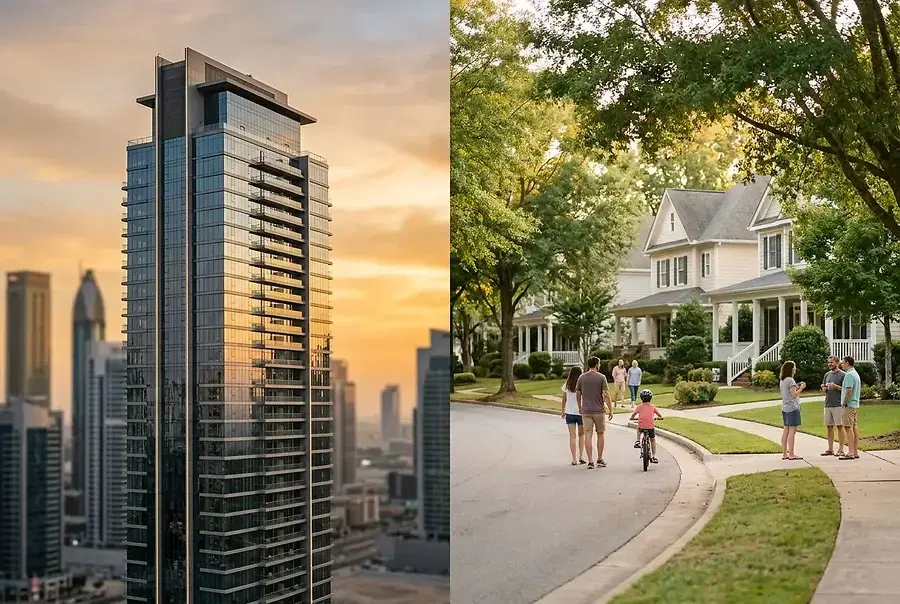
The Critical Role of Location in Residential Valuation
When it comes to residential property investment, location is the cornerstone of value. The adage "location, location, location" remains as relevant today as ever, shaping everything from property prices to long-term appreciation potential. Understanding how geographic factors influence home values is essential for anyone considering a residential investment, whether you're a first-time homebuyer or an experienced investor.
Location affects property values through multiple interconnected factors:
- Proximity to amenities – Schools, shopping centers, healthcare facilities, and entertainment venues
- Economic indicators – Local job markets, income levels, and business development
- Infrastructure quality – Transportation networks, utilities, and public services
- Safety and community – Crime rates, neighborhood stability, and social cohesion
- Natural environment – Climate, views, green spaces, and environmental conditions
These elements combine to create vastly different property markets across the globe, each with unique characteristics and investment opportunities.
Market Comparison: Dubai Luxury Homes vs. High Point Value Properties
Dubai's Luxury Residential Market
Dubai represents one of the world's most prestigious residential markets, attracting ultra-high-net-worth individuals and international investors seeking luxury properties. The emirate's residential landscape is characterized by iconic developments, world-class amenities, and premium pricing.
Key characteristics of Dubai's luxury market include:
- Architectural innovation and cutting-edge design in developments like the Palm Jumeirah and Downtown Dubai
- Premium pricing reflecting the city's status as a global luxury destination
- Strong rental yields from international tenants and tourists
- Tax-free income and favorable investment regulations
- Access to exclusive amenities: private beaches, golf courses, and five-star services
Dubai's property market demonstrates how premium location and lifestyle positioning can command exceptional price points, with some properties exceeding $10 million USD.
High Point's Value-Oriented Market
In contrast, High Point, North Carolina, offers a fundamentally different residential investment proposition. Known as the "Furniture Capital of the World," High Point provides affordable housing options with solid appreciation potential and strong community fundamentals.
The High Point market is defined by:
- Affordable entry prices making homeownership accessible to middle-income families
- Strong local economy driven by furniture manufacturing and related industries
- Growing population and steady demand for residential properties
- Quality schools and family-friendly neighborhoods
- Lower cost of living compared to major metropolitan areas
While High Point properties may lack the glamour of Dubai's ultra-luxury developments, they offer stability, affordability, and realistic appreciation potential for traditional homebuyers and value-conscious investors.
The Value Proposition Comparison
Dubai attracts investors seeking prestige, international diversification, and high rental yields. High Point appeals to those prioritizing affordability, community stability, and long-term wealth building through homeownership. Neither market is inherently superior; rather, they serve different investor profiles and financial objectives.
Global Residential Investment Trends and Buyer Opportunities
Emerging Investment Patterns
The global residential market is experiencing significant shifts in buyer preferences and investment strategies. Several key trends are reshaping how properties are valued and purchased worldwide:
Remote Work Influence: The rise of flexible work arrangements has decoupled residential location from employment centers, allowing buyers to prioritize lifestyle and affordability over proximity to office locations.
Sustainability Focus: Properties featuring energy-efficient systems, sustainable materials, and green certifications command premium valuations as environmental consciousness grows among buyers.
Mixed-Use Development: Residential properties integrated with retail, dining, and entertainment spaces are increasingly popular, particularly in urban markets where walkability adds significant value.
Demographic Shifts: Aging populations in developed nations and growing middle classes in emerging markets are creating diverse demand patterns across different property types and price points.
Identifying Opportunities Across Markets
Savvy investors recognize that opportunity exists across the entire spectrum of residential markets. Rather than focusing exclusively on luxury or value segments, successful investors:
- Analyze local economic fundamentals and growth trajectories
- Evaluate demographic trends and population movements
- Consider regulatory environments and tax implications
- Assess infrastructure development and future planning
- Compare valuations to historical averages and peer markets
Markets like Dubai offer prestige and international appeal, while emerging value markets provide growth potential and accessibility. The key is matching your investment strategy to your financial goals and risk tolerance.
Choosing the Right Market for Your Residential Investment
Selecting the appropriate residential market requires honest assessment of your priorities and circumstances. Consider these essential questions:
What is your primary investment objective? Are you seeking rental income, long-term appreciation, personal residence, or portfolio diversification?
What is your budget and risk tolerance? Luxury markets require substantial capital but may offer different risk profiles than value markets.
How important is lifestyle and location amenities? Some investors prioritize the property itself, while others value the surrounding community and services.
What is your investment timeline? Short-term investors may benefit from different markets than those planning 20+ year holdings.
The residential property market's beauty lies in its diversity. From Dubai's glittering skyline to High Point's welcoming neighborhoods, opportunities exist for investors with varying objectives and resources. Success comes from understanding your goals, researching your chosen market thoroughly, and making informed decisions based on data rather than emotion.
Whether you're drawn to luxury developments or value-oriented communities, the global residential market offers pathways to wealth building and homeownership. The key is recognizing that location's influence on property values extends far beyond price tags—it encompasses lifestyle, opportunity, community, and long-term financial security.