Understanding Richmond Home Inspections: What Buyers Need to Know
Learn what professional home inspectors look for and how to protect your investment before closing the deal.

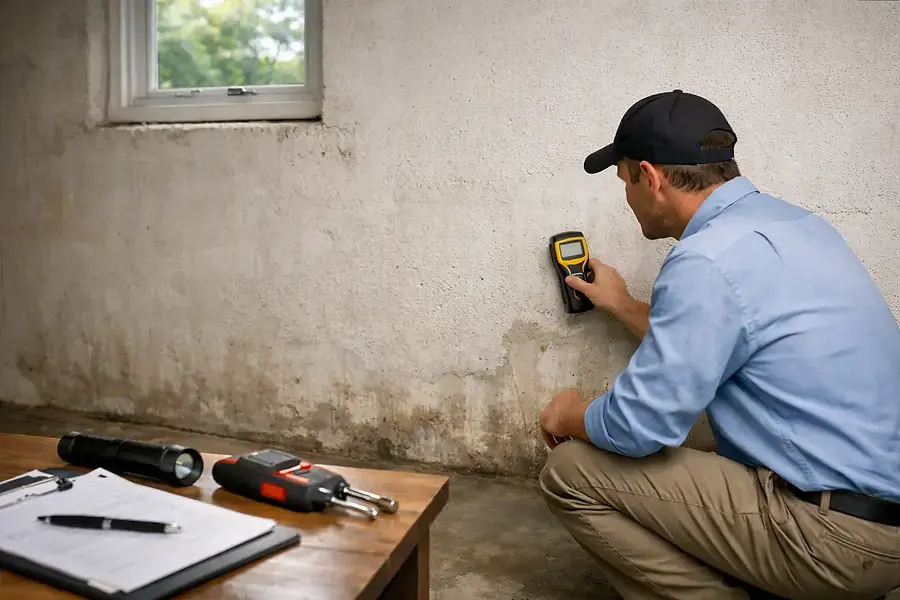
Why Home Inspections Matter in Richmond's Competitive Market
In Richmond's fast-paced real estate market, home inspections have become more critical than ever for buyers. With properties moving quickly and competition fierce, it's easy to get caught up in the excitement of finding your dream home. However, skipping or rushing through a professional home inspection could cost you thousands of dollars in unexpected repairs and maintenance issues down the road.
A comprehensive home inspection provides an objective assessment of a property's condition before you commit to the purchase. This detailed evaluation protects your investment and gives you the knowledge needed to negotiate repairs, request credits, or make an informed decision about whether to proceed with the purchase.
What Inspectors Examine: The Complete Walkthrough
Structural Components and Foundation
Professional home inspectors begin by evaluating the foundation and structural integrity of the property. They look for signs of settling, cracks, water damage, and other issues that could affect the home's stability. A solid foundation is essential, and any concerns here should be taken seriously.
Roofing and Exterior
The roof is one of your home's most important protective features. Inspectors examine:
- Shingle condition and age
- Flashing and sealing around chimneys and vents
- Gutters and downspouts
- Siding, trim, and exterior walls
- Windows and doors
A roof nearing the end of its lifespan may require replacement soon, which is a significant expense to factor into your decision.
Plumbing Systems
Inspectors test water pressure, check for leaks, and examine pipes throughout the home. They also evaluate the water heater's condition and age. Plumbing issues can be costly, so a thorough examination is essential to identify potential problems before they become emergencies.
Electrical Systems
A qualified inspector will examine the electrical panel, outlets, switches, and wiring to ensure everything meets current safety standards. Outdated or faulty electrical systems pose serious safety risks and may require upgrades.
HVAC Systems
Heating, ventilation, and air conditioning systems are tested for proper operation. Inspectors assess the age and condition of furnaces, air conditioners, and ductwork. These systems are expensive to replace, making their condition an important factor in your purchase decision.
Interior Components
Inspectors also evaluate:
- Walls, ceilings, and floors for damage or water stains
- Insulation and ventilation
- Doors and windows functionality
- Stairs and railings for safety
- Basement or crawl space conditions
Common Issues Found in Richmond Properties and How to Address Them
Water Damage and Moisture Problems
Richmond's climate can lead to moisture issues in homes. Water damage is one of the most frequently discovered problems during inspections. Look for:
- Stains on ceilings or walls
- Musty odors
- Mold growth
- Basement flooding or dampness
If water damage is found, request a professional assessment and repair estimates before proceeding.
Aging Roofs and Gutters
Many Richmond homes have roofs that are approaching or past their expected lifespan. Gutter problems are also common, leading to water damage and foundation issues. Budget for roof replacement or repairs, and ensure gutters are properly maintained.
Outdated Electrical Systems
Older Richmond homes may have outdated electrical panels or knob-and-tube wiring. These systems can be fire hazards and may not support modern electrical demands. Plan for upgrades if issues are identified.
HVAC System Age
Furnaces and air conditioning units typically last 15-20 years. If the home's systems are nearing the end of their lifespan, budget for replacement costs in your financial planning.
Plumbing Concerns
Older homes may have galvanized pipes that are prone to corrosion and reduced water pressure. Pipe replacement can be expensive, so understanding the extent of any issues is crucial.
Pest and Termite Damage
Richmond's climate can attract pests. Inspectors look for signs of termite damage, rodent activity, and other pest-related issues. Addressing these problems early prevents more extensive damage.
Making Informed Decisions with Inspection Reports
Understanding Your Report
A professional inspection report provides detailed findings organized by home system. Reports typically categorize issues as:
- Critical: Safety hazards requiring immediate attention
- Major: Significant repairs needed soon
- Minor: Maintenance items or cosmetic concerns
Negotiating After Inspection
Once you receive the inspection report, you have several options:
- Request the seller make repairs before closing
- Ask for a credit to cover repair costs
- Negotiate a lower purchase price
- Walk away from the deal if issues are too significant
Use the inspection report as a negotiating tool to protect your interests and ensure you're making a sound investment.
Planning for Future Maintenance
Even if the inspection reveals only minor issues, use the report to plan future maintenance. Understanding your home's condition helps you budget for upcoming repairs and preventative care.
"A home inspection is not just about finding problems—it's about understanding your investment and making confident decisions about your future."
Conclusion
Home inspections are an invaluable part of the home-buying process in Richmond. By understanding what inspectors examine and what common issues to expect, you can approach your purchase with confidence and clarity. Don't let the competitive market pressure you into skipping this critical step. A thorough inspection protects your investment, provides negotiating leverage, and gives you peace of mind as you move forward with one of life's biggest decisions. Take the time to review your inspection report carefully, ask questions, and make informed choices that align with your budget and long-term goals.


