Understanding San Antonio's Residential Market Trends and Buyer Preferences
Essential insights into current pricing, inventory levels, and neighborhood demand shaping the San Antonio residential market.

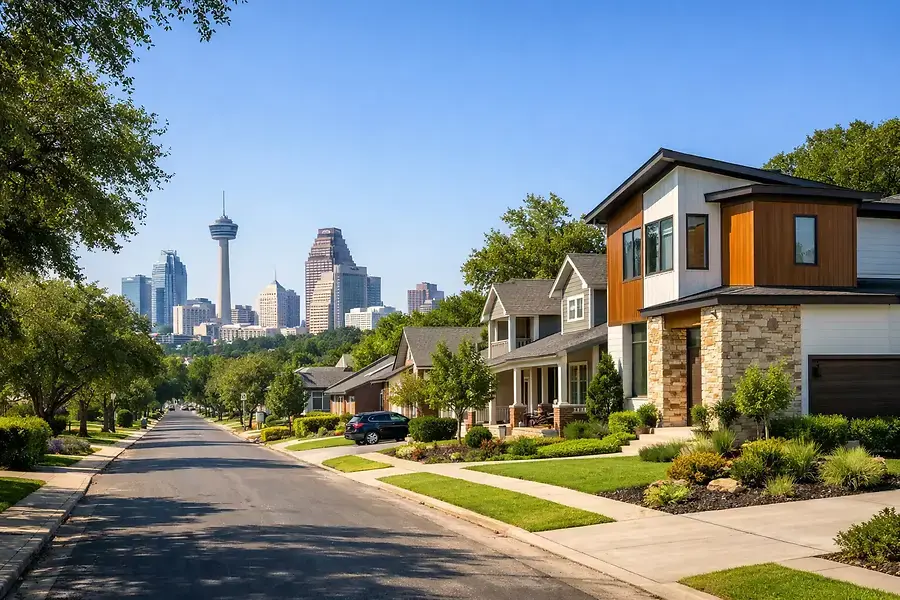
Introduction: The Current State of San Antonio's Residential Real Estate
San Antonio's residential real estate market continues to evolve as one of Texas's most dynamic and competitive landscapes. With a growing population and increasing interest from both local and out-of-state buyers, understanding the current market conditions is essential for anyone looking to buy, sell, or invest in property. The city's diverse neighborhoods, affordable pricing compared to other major Texas metros, and strong economic fundamentals have created a unique environment that rewards informed decision-making.
Whether you're a first-time homebuyer, an experienced investor, or a real estate professional, staying current with market trends is crucial. This article explores the key factors driving San Antonio's residential market and provides actionable insights to help you navigate this competitive landscape successfully.
Market Dynamics: Pricing Trends, Inventory Levels, and Competitive Analysis
Pricing Trends and Market Valuation
San Antonio's residential market has experienced steady appreciation over recent years, with median home prices reflecting the city's growing desirability. The market has shown resilience, with prices remaining relatively stable while maintaining upward momentum in key neighborhoods. Several factors contribute to this pricing environment:
- Supply and demand balance: The ratio of available homes to interested buyers continues to influence pricing strategies across different price points.
- Interest rate environment: Mortgage rates play a significant role in buyer purchasing power and market activity levels.
- Economic growth: Job creation and corporate relocations to San Antonio strengthen buyer confidence and demand.
- Development activity: New construction projects add inventory while also setting price benchmarks for surrounding areas.
Homes in established neighborhoods tend to command premium prices, while emerging areas offer opportunities for value-conscious buyers seeking appreciation potential.
Inventory Levels and Market Competition
Inventory levels in San Antonio vary significantly by neighborhood and price range. Understanding these variations is critical for both buyers and sellers:
- Tight inventory in premium neighborhoods: Desirable areas with strong schools and amenities often experience lower inventory, creating competitive bidding situations.
- Moderate inventory in mid-range markets: These segments typically offer more selection and negotiating flexibility for buyers.
- New construction opportunities: Builders continue to develop properties across the metro area, providing alternatives to existing homes.
The competitive landscape means that well-prepared buyers with pre-approval letters and clear purchase criteria have significant advantages. Sellers benefit from understanding their home's positioning within the current inventory context.
Comparative Market Analysis
San Antonio's market remains competitive compared to other major Texas cities. The city offers:
A unique combination of affordability, growth potential, and quality of life that attracts diverse buyer demographics and investment profiles.
Unlike Austin or Dallas, San Antonio maintains more moderate pricing while offering comparable economic opportunities and cultural amenities. This positioning makes it increasingly attractive to buyers priced out of other major metros.
Buyer Preferences and Neighborhood Demand Patterns Across San Antonio
Demographic Shifts and Buyer Profiles
San Antonio's buyer base has become increasingly diverse, with distinct preferences emerging across different demographic groups:
- Young professionals: Seek proximity to employment centers, walkable neighborhoods, and modern amenities. Urban and near-downtown locations appeal to this segment.
- Families: Prioritize school quality, safety, and space. Suburban neighborhoods with established communities remain popular choices.
- Retirees: Look for accessibility, healthcare proximity, and active adult communities. Established neighborhoods with mature landscapes appeal to this group.
- Investors: Focus on cash flow potential, appreciation prospects, and rental demand in specific corridors.
Neighborhood Demand Patterns
Different neighborhoods attract different buyer types based on their unique characteristics:
North Central San Antonio: Premium neighborhoods continue to attract affluent buyers seeking established communities with excellent schools and cultural proximity. These areas maintain strong demand and stable appreciation.
South San Antonio: Emerging neighborhoods offer value opportunities for first-time buyers and investors. Revitalization efforts and infrastructure improvements drive growing interest in these areas.
Near Downtown and Urban Core: Young professionals and empty nesters increasingly prefer walkable, vibrant neighborhoods close to employment, dining, and entertainment. This segment shows accelerating demand.
Suburban Expansion Areas: Family-oriented buyers continue to migrate toward newer suburban developments offering modern homes, planned communities, and proximity to quality schools.
Key Amenities Driving Buyer Decisions
Today's San Antonio buyers prioritize specific features and amenities:
- Quality school districts and educational opportunities
- Access to parks, trails, and recreational facilities
- Proximity to employment centers and major employers
- Walkability and neighborhood safety ratings
- Modern home features and energy efficiency
- Community amenities and social opportunities
- Healthcare facilities and medical services
Understanding these preferences helps both buyers identify neighborhoods that match their lifestyle and sellers position their properties effectively.
Conclusion: Positioning Yourself as a San Antonio Real Estate Expert
Success in San Antonio's residential market requires staying informed about pricing trends, inventory dynamics, and evolving buyer preferences. Whether you're entering the market as a buyer, seller, or professional, the insights outlined in this article provide a foundation for making strategic decisions.
Key takeaways for moving forward:
- Monitor neighborhood-specific trends rather than relying solely on city-wide averages
- Understand your target buyer profile and position properties accordingly
- Stay current with inventory levels and competitive conditions in your area of interest
- Recognize that San Antonio's market offers opportunities across multiple price points and neighborhoods
- Leverage local expertise and data-driven insights to gain competitive advantages
The San Antonio residential market continues to offer compelling opportunities for informed participants. By understanding current market dynamics and buyer preferences, you can navigate this landscape with confidence and achieve your real estate goals. Whether you're looking to buy your first home, upgrade to a larger property, or build a real estate investment portfolio, San Antonio's diverse market provides options for nearly every buyer profile and investment strategy.