Understanding San Francisco's Real Estate Market Dynamics and Trends
Learn what drives property values and buyer behavior in the Bay Area's most competitive neighborhoods.

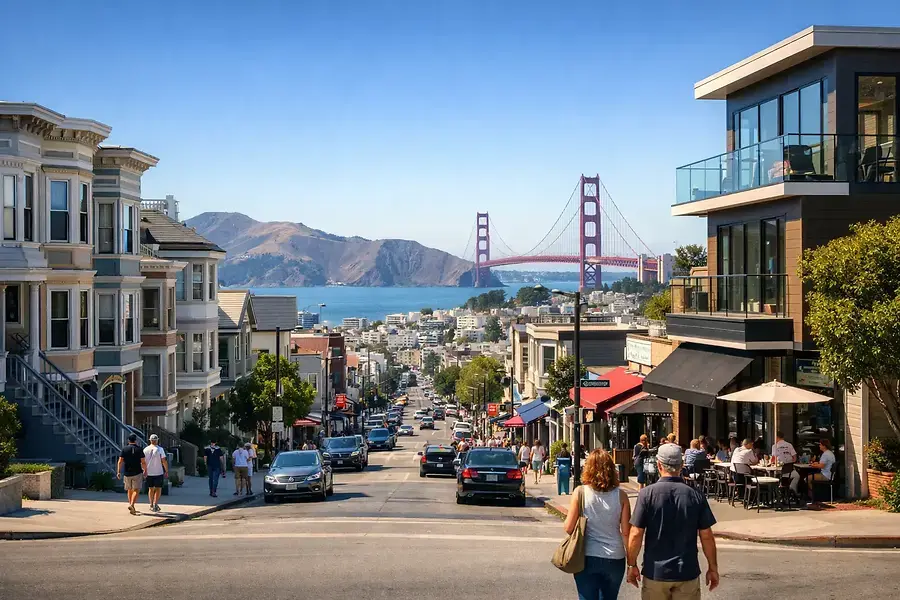
How Supply and Demand Shape San Francisco's Property Market
San Francisco's real estate market operates on fundamental economic principles that create one of the most dynamic and competitive property landscapes in the nation. The relationship between supply and demand forms the backbone of price movements and market trends throughout the city and surrounding Bay Area neighborhoods.
The supply side of San Francisco's equation presents unique challenges. Limited land availability, strict zoning regulations, and lengthy development approval processes constrain the number of new properties entering the market each year. This scarcity naturally supports higher property values, as buyers compete for a finite inventory of homes. Additionally, many property owners choose to hold onto their investments rather than sell, further reducing available listings.
Demand, meanwhile, remains consistently strong. San Francisco attracts professionals from around the world seeking opportunities in technology, finance, healthcare, and creative industries. The city's cultural amenities, excellent public transportation, and proximity to major employment centers continue to draw new residents and investors. This sustained demand pressure, combined with limited supply, creates an environment where prices remain elevated and properties often sell quickly.
Market Cycles and Inventory Levels
Understanding inventory levels helps predict market direction. When active listings drop below historical averages, sellers gain negotiating power and prices typically rise. Conversely, increased inventory can shift advantages toward buyers. Monitoring these cycles allows savvy investors and homeowners to anticipate market shifts before they become obvious to the general public.
Key Factors That Influence Home Values in Your Neighborhood
While citywide trends matter, neighborhood-specific factors often have the greatest impact on individual property values. San Francisco's diverse neighborhoods each possess distinct characteristics that appeal to different buyer demographics and influence pricing accordingly.
Location and Proximity to Employment Centers
Properties within walking distance or short commutes to major employment hubs command premium prices. Neighborhoods near tech company headquarters, financial districts, and medical centers consistently outperform those requiring longer commutes. The value of time and convenience cannot be overstated in a competitive market where professionals prioritize work-life balance.
School Quality and Family Appeal
For families, school district ratings significantly impact property values. Neighborhoods with highly-rated public schools attract buyers willing to pay substantial premiums. Even renters consider school quality when choosing neighborhoods, which indirectly supports property values through sustained demand.
Neighborhood Amenities and Character
Access to parks, restaurants, shopping, and cultural institutions shapes neighborhood desirability. Properties in vibrant, walkable neighborhoods with strong community character typically appreciate faster than those in less developed areas. The rise of mixed-use developments and revitalized commercial corridors has transformed several neighborhoods, driving significant property value increases.
Infrastructure and Transportation Access
BART and Muni accessibility remains crucial for property values. Homes near major transit stations benefit from reduced commute times and increased buyer pools. Recent infrastructure improvements and planned transit expansions can signal future appreciation potential for forward-thinking investors.
Crime Rates and Safety Perception
Safety significantly influences buyer decisions and property values. Neighborhoods with lower crime rates and strong community policing efforts attract more buyers and command higher prices. Safety perception, even when it differs from actual statistics, can impact market dynamics substantially.
Strategic Timing: When to Buy or Sell in Today's Market
Timing real estate transactions requires balancing market conditions with personal circumstances. While perfect timing is impossible, understanding current market conditions helps optimize outcomes.
Seasonal Market Patterns
San Francisco's real estate market exhibits seasonal trends. Spring and early summer typically bring increased buyer activity and more listings, creating competitive conditions. Fall and winter see reduced competition but fewer buyers actively searching. Sellers benefit from spring activity, while buyers may find better negotiating positions in winter months when motivated sellers remain in the market.
Interest Rate Environment
Mortgage rates directly impact buyer purchasing power. When rates decline, more buyers can afford higher prices, pushing values upward. Rising rates reduce affordability and can cool demand. Monitoring rate trends helps determine whether conditions favor buyers or sellers in the near term.
Personal Circumstances Trump Market Timing
Important consideration: While market conditions matter, life circumstances often dictate timing more than market analysis. Job changes, family needs, and life transitions frequently override market timing strategies. Attempting to time the market perfectly often results in missed opportunities or extended holding periods.
Preparing for Your Transaction
Regardless of market conditions, preparation determines success. Buyers should secure pre-approval and identify target neighborhoods before actively searching. Sellers should invest in strategic improvements and professional staging to maximize appeal and pricing power.
Positioning Your Home for Maximum Appeal to Serious Buyers
In San Francisco's competitive market, presentation and positioning separate successful sales from prolonged listings. Serious buyers have options, so homes must stand out through strategic improvements and effective marketing.
Curb Appeal and First Impressions
The exterior creates lasting first impressions that influence buyer perception throughout viewings. Fresh paint, landscaping, and clean entryways signal property maintenance and care. In a market where buyers view multiple properties, strong curb appeal ensures your home receives serious consideration.
Strategic Home Improvements
Not all improvements deliver equal returns. Focus on updates that address buyer priorities: kitchen and bathroom modernization, flooring upgrades, and energy-efficient systems. Avoid overly personalized renovations that may not appeal to broader buyer demographics. Professional assessment helps identify improvements with the highest return on investment.
Professional Staging and Photography
Professional staging helps buyers envision themselves in the space. Quality photography and virtual tours expand your buyer pool beyond local showings. In today's market, many serious buyers research properties online before scheduling viewings, making professional presentation essential.
Pricing Strategy
Accurate pricing attracts serious buyers and generates competitive offers. Overpricing results in extended marketing periods and reduced buyer interest. Underpricing leaves money on the table. Professional appraisals and comparative market analysis ensure competitive positioning that attracts multiple offers from qualified buyers.
Marketing and Exposure
Effective marketing reaches serious buyers actively searching for properties matching yours. Multiple listing services, targeted advertising, and agent networks ensure maximum exposure. Open houses and private showings create opportunities for serious buyers to experience your home firsthand.
Success in San Francisco's real estate market requires understanding market dynamics, recognizing neighborhood-specific value drivers, and positioning your property strategically. Whether buying or selling, informed decisions based on market analysis and professional guidance lead to better outcomes in this competitive landscape.


