Understanding Scottsdale Commercial Zoning for Smart Property Buyers
Navigate zoning regulations and land use classifications to make informed commercial property decisions in Scottsdale.

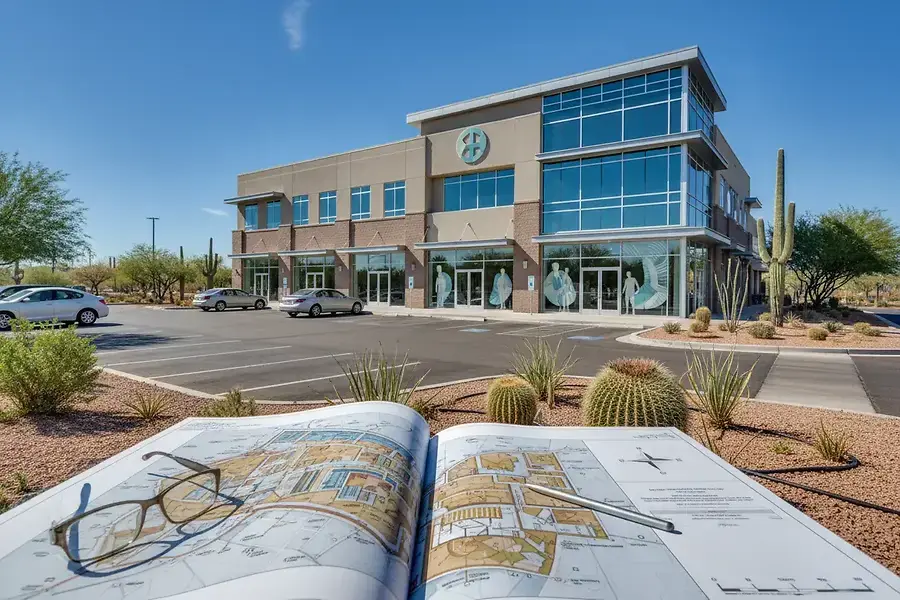
Understanding Scottsdale's Commercial Zoning Categories
Scottsdale's commercial zoning system is designed to organize land use and maintain the city's character while supporting business growth. The city employs several distinct commercial zoning classifications, each serving specific purposes and allowing different types of businesses and development intensities.
The primary commercial zoning categories in Scottsdale include:
- C-1 (Neighborhood Commercial): This zone supports small-scale retail and service businesses that serve local neighborhoods. Properties in C-1 zones typically accommodate convenience stores, restaurants, and professional offices with limited traffic impact.
- C-2 (General Commercial): A more flexible zone allowing a broader range of commercial uses, including larger retail establishments, shopping centers, and mixed-use developments. C-2 zones can support higher traffic volumes and more intensive development.
- C-3 (Regional Commercial): Designed for large-scale commercial operations, regional shopping centers, and major retail anchors. These zones accommodate significant traffic and typically require substantial infrastructure support.
- C-4 (Commercial/Industrial): This zone bridges commercial and industrial uses, allowing warehousing, distribution centers, and light manufacturing alongside commercial retail and office spaces.
- PCD (Planned Community Development): A flexible zoning category that allows customized development plans combining residential, commercial, and mixed-use components tailored to specific project needs.
Understanding which zone applies to your target property is crucial, as it directly determines what businesses can operate there and what future development is possible.
How Zoning Affects Property Value and Development Potential
Zoning classifications have profound implications for property valuation and investment returns. A property's zoning determines its highest and best use, which fundamentally influences its market value.
Impact on Property Value
Properties in zones that allow higher-intensity commercial uses typically command premium prices. A C-3 zoned parcel, for example, may be worth significantly more than an identical C-1 property because it can accommodate larger tenants and generate greater revenue potential. Conversely, restrictive zoning can limit a property's value if it prevents the most profitable uses.
Location within Scottsdale also matters significantly. Properties near downtown Scottsdale or along major commercial corridors may have higher values due to increased foot traffic and visibility, regardless of zoning classification.
Development Potential and Future Growth
Zoning regulations establish the framework for future development. Properties in growth-oriented zones with fewer restrictions offer greater flexibility for expansion and adaptation to changing market demands. Buyers should consider whether current zoning aligns with long-term business plans or if future rezoning might be necessary.
Additionally, properties in zones allowing mixed-use development often appreciate faster as cities evolve toward more integrated commercial and residential spaces. These properties offer flexibility to pivot business models or attract diverse tenant bases.
Zoning Variances and Conditional Use Permits Explained
Not every business use fits neatly within existing zoning classifications. Scottsdale provides mechanisms for property owners to pursue uses that deviate from standard zoning requirements through variances and conditional use permits.
Zoning Variances
A zoning variance is a request to deviate from specific zoning requirements, such as setback distances, building height, or lot coverage. Variances are granted only when strict application of zoning regulations causes undue hardship and the variance won't negatively impact the surrounding community.
Key points about variances:
- They require approval from the Scottsdale Zoning Hearing Examiner or City Council
- The applicant must demonstrate practical difficulty or unnecessary hardship
- Variances are property-specific and don't change the underlying zoning
- The process typically takes 60-90 days and involves public hearings
- Approval is not guaranteed and can be costly if denied
Conditional Use Permits (CUPs)
A Conditional Use Permit allows uses that are permitted in a zone only under specific conditions and with city approval. Unlike variances, CUPs are for uses that the city recognizes as potentially compatible with the zone but require special oversight.
Examples of uses requiring CUPs in Scottsdale commercial zones include:
- Outdoor entertainment venues or concert facilities
- Nightclubs or bars in certain zones
- Automotive repair facilities
- Adult-oriented businesses
- Temporary uses or special events
CUPs typically involve conditions such as operating hours, parking requirements, noise limitations, or traffic management plans. These permits can be revoked if conditions aren't met, making ongoing compliance essential.
The Application Process
Both variances and CUPs require submitting detailed applications to Scottsdale's Planning and Zoning Department. The process includes staff review, neighborhood notification, and public hearings. Professional guidance from a real estate attorney or planning consultant is highly recommended to navigate this complex process successfully.
Key Takeaways for Commercial Property Buyers
Before purchasing commercial property in Scottsdale, remember these essential points:
- Verify the zoning classification of any property you're considering. Contact the City of Scottsdale Planning and Zoning Department or review the city's zoning map online.
- Confirm the property's zoning allows your intended use. Don't assume; verify in writing that your business type is permitted.
- Understand zoning restrictions including setbacks, height limits, parking requirements, and signage regulations that may affect your operations.
- Research the neighborhood's zoning context. Surrounding zoning can influence property value, traffic patterns, and future development.
- Consider future flexibility. Choose properties in zones that allow multiple uses or have growth potential if your business needs may evolve.
- Budget for variances or permits if needed. If your ideal use requires a variance or CUP, factor in application costs and timeline delays.
- Consult professionals. Real estate attorneys, commercial brokers, and planning consultants can provide invaluable guidance on zoning implications.
- Review the comprehensive plan. Scottsdale's long-term development plans may indicate future zoning changes that could affect your investment.
Smart commercial property buyers in Scottsdale recognize that zoning is not just a regulatory hurdle—it's a fundamental factor that determines property value, operational feasibility, and investment potential.
By thoroughly understanding Scottsdale's zoning system and how it applies to your specific property and business needs, you'll make more informed decisions and avoid costly mistakes. Take time to research zoning classifications, consult with local experts, and verify that any property you're considering aligns with your business goals and long-term investment strategy.