Understanding the True Cost of Homeownership Beyond Purchase
Discover the hidden expenses every new homeowner should budget for to avoid financial surprises.

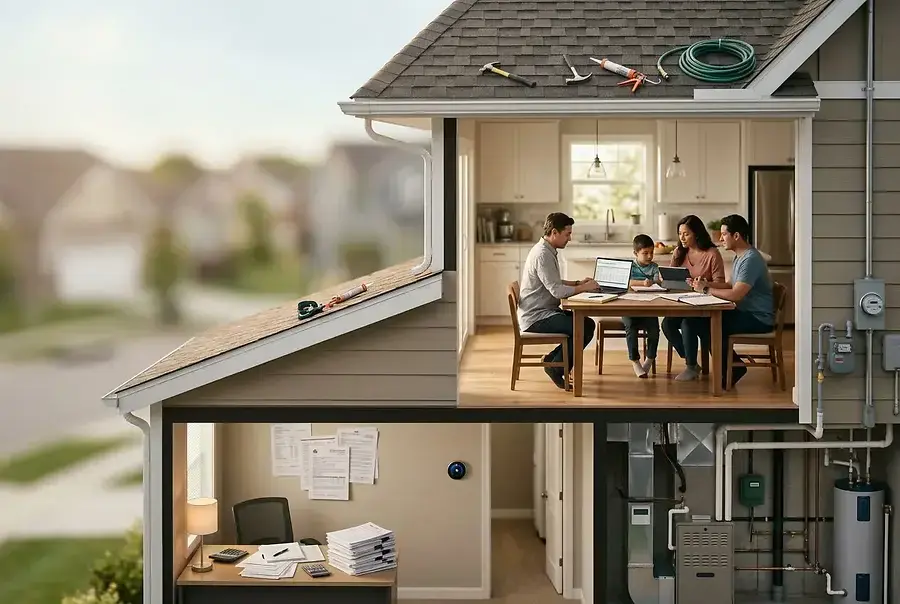
Why Purchase Price Isn't the Whole Story
Many first-time homebuyers focus exclusively on the purchase price when calculating the cost of buying a home. However, this narrow perspective often leads to financial surprises and budget shortfalls. The truth is that homeownership extends far beyond the initial down payment and mortgage. In fact, experts suggest that homeowners should budget for additional costs that can range from 1-4% of the home's value annually, depending on the property's age and location.
Understanding these hidden expenses is crucial for making informed financial decisions. Whether you're a first-time buyer or an experienced homeowner, knowing what to expect can help you avoid overstretching your finances and ensure long-term stability. Let's explore the major cost categories that every homeowner should account for in their budget.
Property Taxes, Insurance, and Maintenance Costs
Property Taxes
Property taxes are one of the most significant ongoing expenses of homeownership. These taxes vary dramatically by location and are typically calculated as a percentage of your home's assessed value. Property taxes fund local schools, infrastructure, and public services, making them a non-negotiable expense. Depending on where you live, property taxes can range from less than 1% to over 2% of your home's value annually.
It's essential to research property tax rates in your area before purchasing. A $300,000 home in a high-tax area could cost you $6,000-$9,000 per year in property taxes alone, while the same home in a low-tax area might only cost $2,000-$3,000 annually.
Homeowners Insurance
Homeowners insurance is another critical expense that protects your investment. This insurance covers damage to your home from fire, theft, weather, and other covered perils. Most mortgage lenders require you to maintain homeowners insurance as a condition of the loan. The average cost ranges from $800 to $1,500 per year, though this varies based on your home's location, age, and value.
Don't make the mistake of choosing the cheapest policy available. Instead, focus on adequate coverage that protects your home's replacement value. Additionally, consider supplemental coverage for items like jewelry, electronics, or if you live in an area prone to flooding or earthquakes.
Maintenance and Repairs
One of the most underestimated costs of homeownership is regular maintenance and unexpected repairs. The general rule of thumb is to budget 1-2% of your home's purchase price annually for maintenance. This includes:
- HVAC system servicing and repairs
- Roof inspections and repairs
- Plumbing and electrical maintenance
- Appliance repairs and replacements
- Exterior painting and landscaping
- Foundation and structural repairs
For a $300,000 home, this means budgeting $3,000-$6,000 annually. Older homes typically require more maintenance, so adjust your budget accordingly. Creating a dedicated savings account for home repairs can prevent financial stress when unexpected issues arise.
Utilities, HOA Fees, and Ongoing Household Expenses
Utilities and Energy Costs
Monthly utility bills are often overlooked when calculating homeownership costs. These include electricity, gas, water, sewer, and trash services. Energy costs vary significantly based on climate, home size, and energy efficiency. On average, homeowners spend $150-$300 monthly on utilities, though this can be higher in extreme climates.
Consider investing in energy-efficient upgrades such as:
- LED lighting throughout the home
- Programmable or smart thermostats
- Improved insulation and weatherstripping
- Energy-efficient appliances and HVAC systems
- Solar panels or renewable energy options
These upgrades can reduce your utility bills by 10-30%, offsetting their initial cost over time.
Homeowners Association (HOA) Fees
If you purchase a property in a community with a homeowners association, you'll need to budget for monthly or annual HOA fees. These fees typically range from $100 to $500+ monthly, depending on the community's amenities and services. HOA fees cover common area maintenance, landscaping, security, and community facilities.
Before purchasing a property with HOA fees, review the association's budget, reserve fund, and any planned assessments. Rising HOA fees can significantly impact your long-term housing costs, so factor in potential increases when budgeting.
Other Household Expenses
Beyond the major categories, homeowners should budget for additional expenses such as:
- Internet and cable services
- Home security systems and monitoring
- Pest control and termite inspections
- Lawn care and landscaping services
- Home cleaning and maintenance supplies
- Permits and inspections for renovations
These costs may seem minor individually, but they add up quickly and should be included in your comprehensive homeownership budget.
Planning Ahead for Long-Term Homeownership Success
Successful homeownership requires careful financial planning and realistic budgeting. The key to avoiding financial stress is understanding and preparing for all costs associated with owning a home. Here are some practical steps to ensure long-term success:
Create a Comprehensive Budget: List all potential expenses, including mortgage, property taxes, insurance, utilities, maintenance, and HOA fees. Calculate your total monthly and annual costs to ensure they fit comfortably within your budget.
Build an Emergency Fund: Establish a dedicated savings account for unexpected repairs and maintenance. Aim to save 1-2% of your home's value annually, creating a cushion for emergencies.
Review and Adjust Regularly: Your homeownership costs may change over time. Review your budget annually and adjust for increases in property taxes, insurance premiums, and utility costs.
Invest in Prevention: Regular maintenance prevents costly repairs. Schedule annual HVAC inspections, roof checks, and plumbing evaluations to catch problems early.
Shop Around for Services: Don't accept the first quote for insurance, utilities, or services. Compare providers regularly to ensure you're getting the best rates available.
Homeownership is a rewarding investment, but it requires more than just making a mortgage payment. By understanding and planning for all associated costs, you can enjoy your home without financial stress. Take the time to educate yourself about these expenses before purchasing, and you'll be well-prepared for a successful homeownership journey.