Understanding the True Cost of Homeownership in Safety Harbor
Learn about property taxes, insurance, maintenance, and hidden expenses before making your purchase.

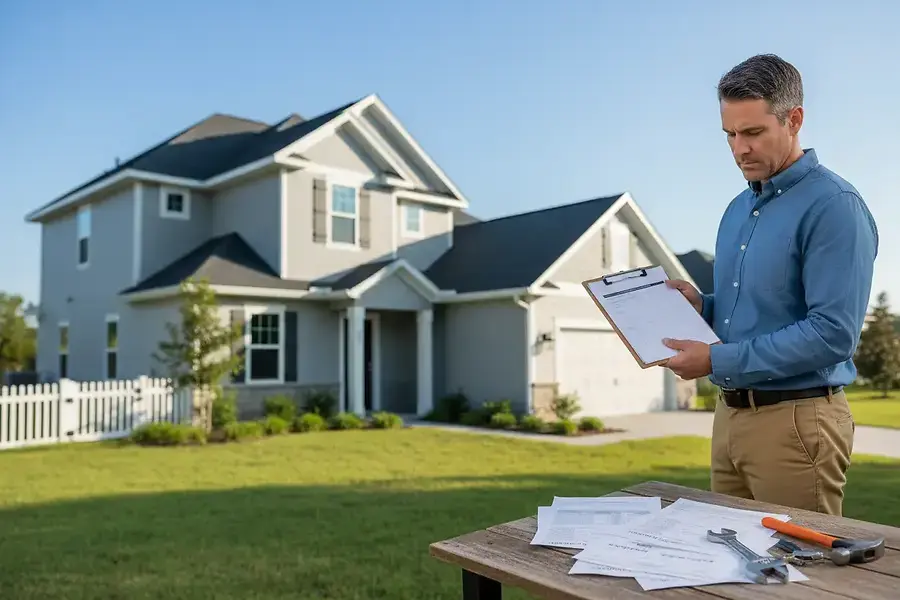
Introduction: Beyond the Purchase Price
When most people think about buying a home, they focus on the purchase price and down payment. However, the true cost of homeownership extends far beyond these initial numbers. In Safety Harbor, like any other community, prospective homeowners need to understand the full financial picture before making one of the largest investments of their lives. The monthly mortgage payment is just one piece of the puzzle.
Many first-time homebuyers are surprised to discover that property taxes, insurance, maintenance, and unexpected repairs can add thousands of dollars to their annual housing costs. By understanding these expenses upfront, you can make a more informed decision and avoid financial strain down the road.
Property Taxes and Insurance in Safety Harbor
Understanding Property Tax Obligations
Safety Harbor residents pay property taxes based on the assessed value of their homes. Property taxes in Florida are typically lower than many other states, but they still represent a significant annual expense. The tax rate varies depending on your specific location within Safety Harbor and the local school district.
To estimate your property tax burden, you should:
- Research the current millage rates for your area
- Calculate approximately 0.8-1.0% of your home's assessed value annually
- Factor in potential increases over time as property values appreciate
- Ask your real estate agent about recent tax assessments in your neighborhood
Remember that property tax assessments are reviewed periodically, and your taxes may increase if your home's value rises.
Homeowners Insurance Costs
Homeowners insurance is another critical expense that many buyers underestimate. In Safety Harbor, insurance costs can vary significantly based on several factors:
- Home age and construction: Older homes or those built with certain materials may cost more to insure
- Location: Proximity to the coast affects flood and hurricane insurance rates
- Coverage level: The amount of coverage you choose directly impacts your premium
- Deductible: Higher deductibles mean lower premiums but more out-of-pocket costs during claims
Budget for homeowners insurance between $1,200 and $2,500 annually, though coastal properties may be higher. Additionally, if your home is in a flood zone, you'll need separate flood insurance, which can add $500-$1,500 or more per year.
Maintenance and Repair Costs Every Homeowner Should Budget For
Regular Maintenance Expenses
One of the most overlooked aspects of homeownership is routine maintenance. A good rule of thumb is to budget 1-2% of your home's purchase price annually for maintenance and repairs. For a $300,000 home, this means setting aside $3,000-$6,000 each year.
Common maintenance expenses include:
- HVAC system servicing and filter replacements
- Roof inspections and repairs
- Gutter cleaning and maintenance
- Plumbing inspections and minor repairs
- Exterior painting and caulking
- Lawn care and landscaping
Major Repairs and Replacements
Beyond routine maintenance, homeowners must prepare for larger expenses that occur less frequently but cost significantly more. These major repairs can quickly drain your savings if you're unprepared.
Consider budgeting for these eventual replacements:
- Roof replacement: $8,000-$15,000 (typically needed every 20-25 years)
- HVAC system replacement: $5,000-$10,000 (every 15-20 years)
- Water heater replacement: $1,500-$3,000 (every 10-15 years)
- Foundation repairs: $5,000-$25,000+ (varies greatly)
- Plumbing or electrical updates: $3,000-$10,000+
In Safety Harbor's humid climate, you may also need to budget for mold remediation, air conditioning repairs, and moisture-related issues more frequently than homeowners in drier climates.
Hidden Expenses and Unexpected Costs
Beyond predictable maintenance, homeowners often encounter unexpected expenses. It's wise to maintain an emergency fund specifically for home-related surprises. Common hidden costs include:
- Pest control and termite treatments
- Pool maintenance (if applicable)
- Septic system pumping and repairs
- Dock or waterfront property maintenance
- HOA fees and special assessments
- Utility upgrades and efficiency improvements
Many homeowners recommend keeping 3-6 months of housing expenses in reserve for unexpected repairs and emergencies.
Conclusion: Making an Informed Investment Decision
Homeownership in Safety Harbor is a rewarding investment, but it requires careful financial planning. The true cost of owning a home includes much more than your monthly mortgage payment. By accounting for property taxes, insurance, maintenance, and unexpected repairs, you can create a realistic budget and avoid financial stress.
Before purchasing a home in Safety Harbor, take time to:
- Get a professional home inspection to identify potential issues
- Research property tax rates and insurance costs for specific neighborhoods
- Calculate your total monthly housing costs, including all expenses
- Build an emergency fund for unexpected repairs
- Consult with a financial advisor to ensure homeownership fits your budget
With proper planning and realistic expectations, homeownership in Safety Harbor can be an excellent investment that provides stability, pride of ownership, and long-term financial benefits. The key is understanding all the costs involved and preparing accordingly.


