Understanding Virginia Beach's Neighborhood Market Variations
Learn how location, amenities, and community characteristics impact property values across Virginia Beach's diverse neighborhoods.

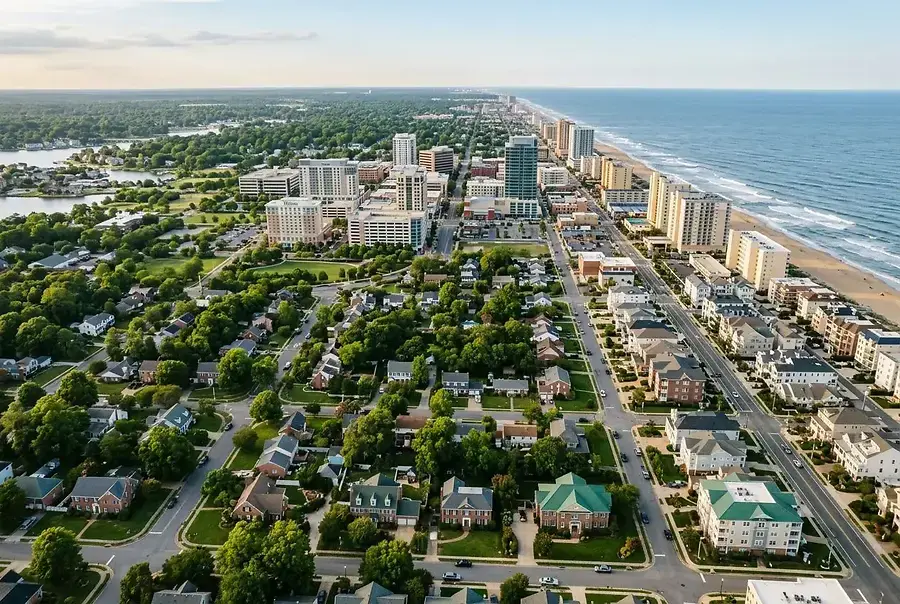
Why Neighborhood Selection Matters in Virginia Beach
Choosing the right neighborhood is one of the most critical decisions you'll make when buying property in Virginia Beach. The city's diverse communities offer vastly different lifestyles, price points, and investment potential. Whether you're a first-time homebuyer, a growing family, or an experienced investor, understanding how neighborhoods vary can mean the difference between finding your dream home and settling for less.
Virginia Beach's neighborhoods are shaped by unique combinations of factors: proximity to the waterfront, school quality, employment centers, recreational amenities, and community character. These elements work together to create distinct market segments, each with its own appeal and value proposition. By exploring these variations, you can make informed decisions that align with your personal and financial goals.
Popular Neighborhoods and Their Market Characteristics
Oceanfront and Beachside Communities
The oceanfront neighborhoods command premium prices due to their proximity to the beach, water views, and vibrant tourism-driven amenities. Properties here attract both primary residents and vacation rental investors. These areas feature upscale dining, entertainment venues, and year-round activities. The trade-off is higher property costs and increased traffic during peak seasons.
Military-Adjacent Neighborhoods
Areas near Naval Station Norfolk and other military installations offer strong rental demand and stable property values. These neighborhoods appeal to military families and benefit from consistent demand. Communities like Ghent and areas near the base provide convenient commutes and established infrastructure. Property values here tend to be more stable and predictable than in some other segments.
Family-Friendly Suburban Communities
Neighborhoods such as Great Neck and Kempsville attract families seeking excellent schools, spacious homes, and safe communities. These areas offer:
- Top-rated school systems
- Parks and recreational facilities
- Established residential character
- Moderate to higher price points
- Strong community organizations
These neighborhoods maintain steady appreciation and appeal to long-term homeowners prioritizing education and family life.
Emerging and Up-and-Coming Areas
Neighborhoods undergoing revitalization offer opportunities for investors seeking growth potential. Areas with improving infrastructure, new development projects, and increasing amenities may offer better entry prices with appreciation potential. These communities attract younger professionals and those seeking value.
Historic and Established Neighborhoods
Older, well-established neighborhoods like Old Dominion and Larchmont feature charming architecture, mature trees, and strong community identity. These areas appeal to those valuing character and walkability. Property values reflect the desirability of established neighborhoods with proven longevity.
How to Evaluate Neighborhoods for Your Real Estate Goals
Assess School Quality and Educational Resources
School ratings significantly impact property values and resale potential. Research school performance data, test scores, and community feedback. Even if you don't have school-age children, strong schools enhance neighborhood desirability and long-term appreciation.
Examine Commute Times and Transportation
Consider your daily commute to work or other frequent destinations. Evaluate:
- Distance to major employment centers
- Public transportation availability
- Highway access and traffic patterns
- Walkability for daily errands
A shorter commute improves quality of life and can justify higher property prices.
Evaluate Amenities and Lifestyle Factors
Different neighborhoods offer different amenities. Some prioritize waterfront access, while others emphasize parks, shopping, or dining. Consider what matters most to your lifestyle:
- Recreation and fitness facilities
- Shopping and dining options
- Cultural and entertainment venues
- Healthcare facilities
- Community events and activities
Research Property Values and Market Trends
Understanding local market dynamics helps you make smart investment decisions. Analyze recent sales data, average price per square foot, and appreciation trends. Compare neighborhoods to identify which offer the best value for your budget and goals. Look for neighborhoods with consistent appreciation rather than volatile swings.
Visit at Different Times
Drive through neighborhoods during different times of day and week. Morning commute times, weekend activity levels, and evening atmosphere all reveal important information about community character. Talk to residents, visit local businesses, and get a genuine feel for the neighborhood culture.
Consider Future Development Plans
Research planned infrastructure projects, new developments, and zoning changes. Upcoming improvements can boost property values, while unwanted developments might negatively impact your investment. Contact local planning departments for information about future neighborhood changes.
Analyze Demographic Trends
Understanding neighborhood demographics helps predict long-term viability. Consider age distribution, income levels, and population growth trends. Neighborhoods with stable or growing populations typically maintain stronger property values than those experiencing decline.
Making Informed Neighborhood Decisions
The best neighborhood for you depends on your unique priorities, lifestyle preferences, and financial goals.
Start by clarifying what matters most: proximity to work, school quality, waterfront access, investment potential, or community character. Then systematically evaluate neighborhoods against these criteria. Don't rush the process—thorough research now prevents regrets later.
Create a comparison spreadsheet listing neighborhoods and key factors like average prices, school ratings, commute times, and amenities. This visual comparison helps identify which communities best match your needs.
Consider consulting with a local real estate agent who understands Virginia Beach's diverse neighborhoods. Their expertise can provide valuable insights into market trends, neighborhood trajectories, and hidden gems that might not be obvious to outsiders.
Remember that neighborhood selection is deeply personal. What appeals to one buyer may not suit another. By thoroughly understanding Virginia Beach's neighborhood variations and evaluating them against your specific goals, you'll make a confident decision that brings satisfaction for years to come.