Understanding Wakefield Property Taxes: A Homeowner's Complete Guide
Learn how assessments, exemptions, and tax strategies can help you manage your residential property investment effectively.

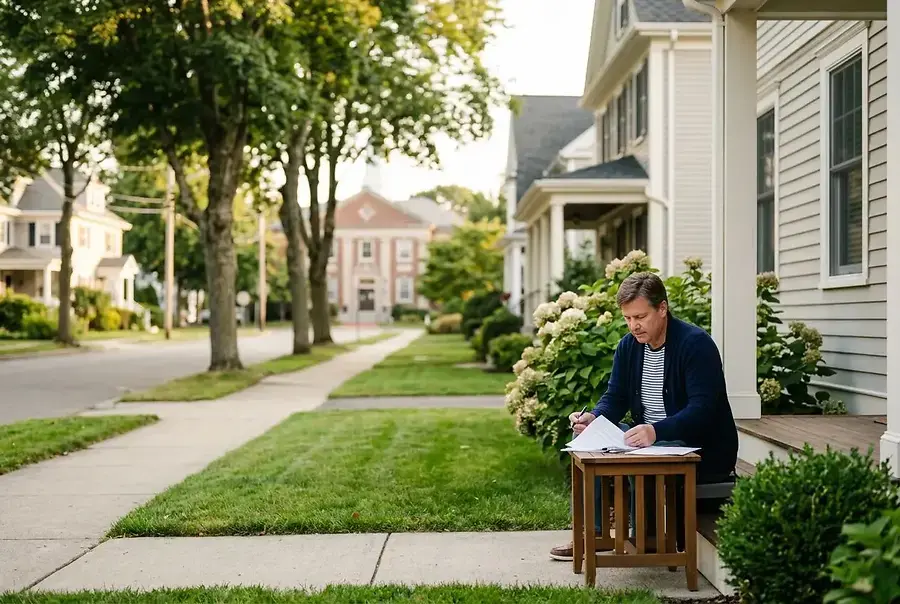
Understanding Wakefield's Property Tax System and Assessment Process
Property taxes are a significant expense for homeowners in Wakefield, but understanding how the system works can help you make informed decisions about your investment. The property tax system in Wakefield is based on the assessed value of your home, which is determined by the local assessor's office.
The assessment process begins with a professional evaluation of your property. Assessors consider several factors when determining your home's value, including:
- Location and neighborhood characteristics - Properties in desirable areas typically have higher assessments
- Property size and lot dimensions - Larger homes and properties generally have higher values
- Age and condition of the structure - Newer homes or those in excellent condition may be assessed higher
- Recent comparable sales - Similar properties sold recently influence current assessments
- Improvements and renovations - Updates and additions can increase your assessed value
Once your property is assessed, the tax rate is applied to determine your annual tax bill. The tax rate is set by local government and varies based on community needs and budgets. It's important to review your assessment notice carefully and understand how your property was valued.
Tax Exemptions and Deductions Available to Residential Homeowners
Wakefield offers several tax exemptions and deductions that can significantly reduce your property tax burden. Understanding which programs you qualify for is essential to maximizing your savings.
Homestead Exemption
The homestead exemption is one of the most valuable programs available to primary homeowners. This exemption provides a reduction in assessed value for properties that serve as your principal residence. Eligibility typically requires that you own and occupy the property as your primary home.
Senior Citizen and Disability Exemptions
Homeowners aged 65 and older, or those with documented disabilities, may qualify for additional exemptions. These programs recognize the fixed-income challenges many seniors and disabled individuals face and provide meaningful tax relief.
Veterans' Exemptions
Military veterans may be eligible for property tax exemptions or reductions. The extent of the benefit often depends on service-related disability status and other qualifying factors. Contact your local assessor's office to learn about specific veteran benefits available in Wakefield.
Agricultural and Open Space Exemptions
If your property includes agricultural land or qualifies as open space, you may be eligible for special exemptions that recognize the value of preserving these areas. These programs encourage landowners to maintain natural spaces and productive agricultural land.
Important: Most exemptions require formal application and documentation. Don't assume you're automatically eligible—reach out to your assessor's office to learn about programs that apply to your situation.
Strategies to Manage and Reduce Your Annual Property Tax Burden
Beyond exemptions, several proactive strategies can help you manage your property tax expenses effectively.
Challenge Your Assessment
If you believe your property has been overvalued, you have the right to appeal your assessment. Gather evidence such as recent appraisals, comparable property sales, or documentation of property defects. Present your case during the formal appeal process, which typically occurs during a designated period each year.
Document Property Improvements Carefully
While improvements increase your home's value, they also increase your assessed value. Before undertaking major renovations, consider the tax implications. Some improvements may not justify their cost when factoring in increased property taxes over time.
Monitor Market Trends
Understanding local real estate trends helps you anticipate assessment changes. If your neighborhood is experiencing rapid appreciation, expect your assessment to increase accordingly. Conversely, declining markets may result in lower assessments.
Explore Tax Payment Options
Some municipalities offer payment plans or deferrals for property taxes. Investigate whether Wakefield provides options for spreading payments throughout the year or deferring taxes under specific circumstances, such as financial hardship.
Work with a Property Tax Professional
Consider consulting with a property tax consultant or attorney who specializes in assessment appeals. These professionals understand local assessment practices and can identify opportunities for tax reduction you might otherwise miss.
Planning Ahead: How Property Taxes Impact Your Long-Term Investment
Property taxes should be a central consideration in your long-term homeownership and investment planning.
Budgeting for Tax Increases
Property taxes typically increase over time as property values rise and municipal budgets expand. When planning your long-term finances, budget for gradual tax increases. A property that costs $3,000 annually in taxes today may cost significantly more in ten years.
Comparing Total Cost of Ownership
When evaluating properties or neighborhoods, consider the complete picture. A less expensive home in a high-tax area might ultimately cost more than a pricier home in a lower-tax jurisdiction. Calculate your total annual housing costs, including property taxes, insurance, and maintenance.
Tax-Efficient Investment Strategies
If you own multiple properties or investment real estate, work with a tax professional to develop strategies that minimize your overall tax burden. This might include timing property acquisitions, structuring ownership entities, or utilizing available deductions strategically.
Planning for Retirement
If you plan to retire in Wakefield, understand how property taxes will affect your fixed income. Some communities offer tax relief programs specifically designed for retirees. Explore these options well before retirement to ensure your housing costs remain manageable.
Bottom Line: Property taxes are a permanent part of homeownership, but they're not unchangeable. By understanding Wakefield's tax system, utilizing available exemptions, and implementing strategic planning, you can effectively manage this significant expense and protect your long-term investment.


