Understanding Wilmington Home Inspections: A Buyer's Essential Guide
Learn what to expect during a home inspection and how to protect your investment in Wilmington's competitive real estate market.

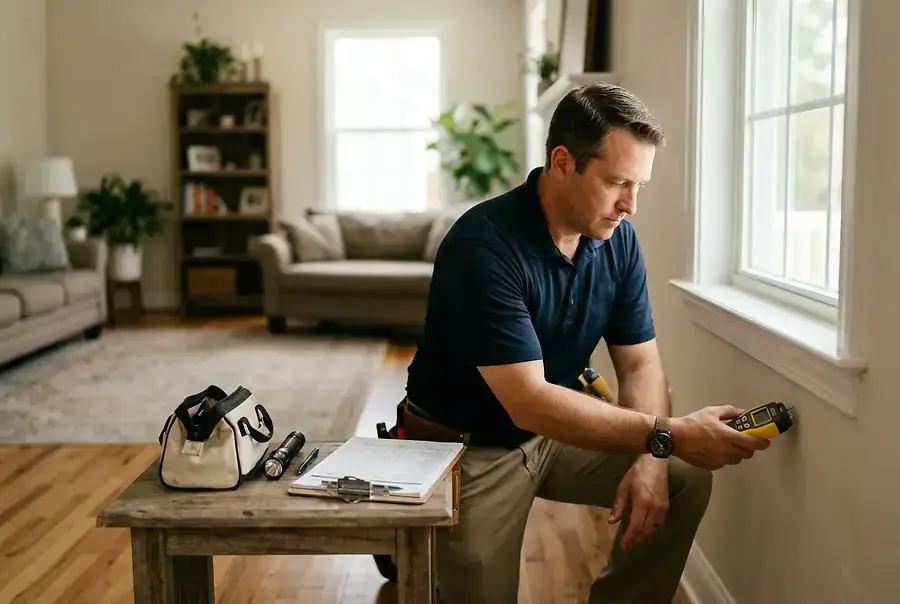
What Home Inspectors Look For in Wilmington Properties
A comprehensive home inspection is one of the most critical steps in the home-buying process. In Wilmington's competitive real estate market, understanding what inspectors examine can help you make informed decisions and avoid costly surprises after closing.
Professional home inspectors evaluate multiple systems and structural components of a property. They begin with the foundation and structural integrity, looking for cracks, settling, or water damage that could indicate serious problems. The inspector will examine walls, floors, and ceilings for signs of movement or deterioration.
Key Areas of Inspection
- Roofing System: Inspectors assess the roof's age, condition, and remaining lifespan. They look for missing shingles, leaks, and proper ventilation.
- Electrical Systems: The inspector checks the panel, wiring, outlets, and switches to ensure everything meets current safety codes.
- Plumbing: Water pressure, drainage, pipe condition, and water heater functionality are thoroughly evaluated.
- HVAC Systems: Heating and cooling systems are tested for proper operation and efficiency.
- Windows and Doors: Inspectors verify that all windows and doors operate smoothly and seal properly.
- Insulation and Ventilation: Proper insulation levels and attic ventilation are essential for energy efficiency and preventing moisture issues.
Wilmington's coastal climate presents unique challenges. Inspectors pay special attention to moisture intrusion, salt air corrosion, and hurricane-resistant features that are particularly important in this region.
Common Issues Found in Older Wilmington Homes
Wilmington boasts a rich history with many charming older homes. While these properties offer character and appeal, they often come with age-related issues that buyers should understand.
Moisture and Water Damage
One of the most prevalent problems in older Wilmington homes is moisture intrusion. Years of exposure to the coastal environment can lead to water damage in basements, crawl spaces, and attics. Inspectors look for signs of past or present water damage, including staining, mold growth, and structural rot.
Outdated Systems
Older homes frequently have outdated electrical and plumbing systems that may not meet current building codes. Knob-and-tube wiring, galvanized pipes, and inadequate electrical capacity are common findings. These issues often require significant upgrades to ensure safety and functionality.
Roofing and Exterior Concerns
Many older Wilmington properties have roofs that are nearing the end of their lifespan. Additionally, wood rot, deteriorated siding, and compromised flashing are frequently discovered during inspections. The coastal climate accelerates wear on exterior materials, making regular maintenance crucial.
Pro Tip: If an older home inspection reveals significant issues, don't panic. Many problems can be addressed through repairs or replacements. Use these findings as negotiation points with the seller.
How to Use Inspection Results in Your Offer Negotiation
Once you receive the inspection report, you have several options for moving forward. Understanding how to leverage these findings can significantly impact your final purchase price and the condition of the home you receive.
Request Repairs or Credits
If the inspection reveals issues, you can ask the seller to either repair the problems before closing or provide a credit toward repairs you'll handle yourself. For major issues like roof replacement or foundation work, requesting a credit is often preferable, as you can choose your own contractor.
Renegotiate the Price
Inspection findings provide concrete justification for renegotiating the purchase price. If significant repairs are needed, the home's value decreases accordingly. Present the inspection report along with repair estimates to support your request for a price reduction.
Walk Away if Necessary
In some cases, inspection results may reveal problems so severe that proceeding with the purchase isn't wise. Most purchase agreements include an inspection contingency that allows you to withdraw your offer without penalty if major issues are discovered.
Schedule a Follow-Up Inspection
For specialized concerns—such as mold testing, radon detection, or pest inspections—you may want to hire additional specialists. These targeted inspections provide detailed information about specific issues and help you make better-informed decisions.
Conclusion: Making Informed Decisions as a Wilmington Homebuyer
A thorough home inspection is your best defense against unexpected problems and expenses after closing. In Wilmington's dynamic real estate market, taking time to understand inspection results and use them strategically in negotiations can save you thousands of dollars and prevent future headaches.
Remember that no home is perfect. The goal of an inspection isn't to find a flawless property—it's to identify issues so you can make an informed decision about whether the home is right for you at the right price. By understanding what inspectors look for, recognizing common issues in older homes, and knowing how to negotiate based on findings, you'll be well-equipped to protect your investment and move forward with confidence in your Wilmington home purchase.
Work with a qualified home inspector who has experience with Wilmington properties and understands the region's unique challenges. Your inspector is your advocate, helping ensure you're making one of the most important financial decisions of your life with full knowledge of what you're buying.