Understanding Your Home Inspection Report: A Buyer's Complete Guide
Learn what inspectors look for and how to use their findings to negotiate confidently and avoid costly surprises.

Why Home Inspections Are Your Best Investment
Purchasing a home is likely the largest financial investment you'll ever make. A professional home inspection is your opportunity to uncover potential problems before you sign on the dotted line. Rather than viewing the inspection as an obstacle, savvy buyers recognize it as a critical safeguard that can save thousands of dollars in unexpected repairs.
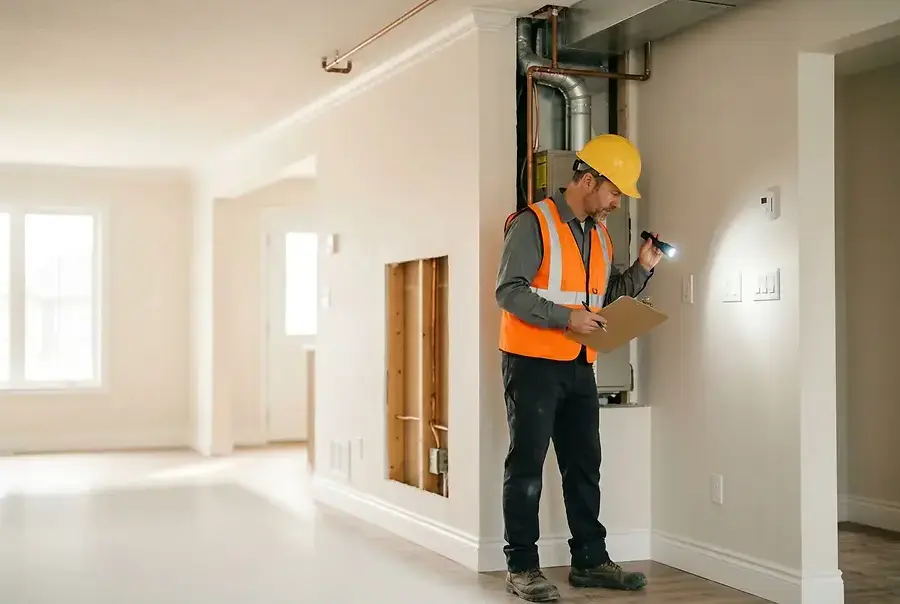
Home inspectors are trained professionals who examine the structural integrity, mechanical systems, and overall condition of a property. Their detailed reports provide you with objective information about what you're actually buying. This knowledge empowers you to make informed decisions and negotiate from a position of strength.
Decoding Common Issues Inspectors Uncover During Walkthroughs
Structural and Foundation Concerns
Inspectors carefully examine the foundation, walls, and overall structural integrity of a home. Common findings include:
- Foundation cracks – Minor settling cracks are normal, but significant or widening cracks warrant professional evaluation
- Water damage and moisture – Signs of past or present water intrusion can indicate serious problems
- Uneven floors – May suggest foundation settling or structural issues
Roofing and Exterior Issues
Your roof is your home's first line of defense against the elements. Inspectors look for:
- Missing or damaged shingles – Can lead to leaks and interior water damage
- Flashing problems – Improper sealing around chimneys and vents allows water penetration
- Gutter and downspout conditions – Poor drainage can cause foundation and basement issues
- Exterior paint and siding damage – Indicates exposure to weather and potential underlying problems
Plumbing and Water Systems
Water-related issues are among the most expensive to repair. Inspectors evaluate:
- Pipe materials and age – Older galvanized or polybutylene pipes may need replacement
- Water pressure and flow – Indicates the health of your water supply system
- Drainage systems – Slow drains or backups suggest clogs or deteriorating pipes
- Water heater condition – Age and maintenance affect remaining lifespan
Electrical Systems
Electrical problems pose safety risks and can be costly to fix. Inspectors check for:
- Outdated panels – Older panels may not meet current safety standards
- Improper wiring – Can create fire hazards
- Insufficient outlets – May indicate inadequate electrical capacity
- Grounding and bonding issues – Critical for safety
HVAC and Climate Control
Heating, ventilation, and air conditioning systems are essential for comfort and indoor air quality. Common findings include:
- Aging furnaces or air conditioners – Nearing the end of their lifespan
- Inadequate insulation – Leads to higher energy bills
- Ductwork problems – Leaks reduce efficiency
Leveraging Inspection Results to Strengthen Your Negotiating Position
Prioritize Issues by Severity
Not all inspection findings are created equal. Categorize issues into three tiers:
- Critical issues – Safety hazards or major structural problems that require immediate attention
- Important issues – Systems nearing end of life or significant repairs needed
- Minor issues – Cosmetic problems or routine maintenance items
Focus your negotiations on critical and important items. Sellers are more likely to address these concerns seriously.
Get Professional Estimates
Before negotiating, obtain repair estimates from licensed contractors for significant issues. Concrete numbers are far more persuasive than vague concerns. A detailed estimate shows the seller you're serious and provides a factual basis for your requests.
Know Your Options
You have several negotiating strategies available:
- Request repairs – Ask the seller to fix issues before closing
- Request credits – Receive a monetary credit to handle repairs yourself
- Request price reduction – Lower the purchase price to account for repairs
- Walk away – If issues are too severe, you may choose to terminate the deal
Present Your Case Professionally
When presenting inspection findings to the seller, maintain a professional and factual tone. Avoid emotional language or accusations. Instead, reference specific inspection findings and provide supporting documentation. This approach is more likely to result in productive negotiations.
"A well-documented inspection report is your strongest negotiating tool. It removes emotion from the conversation and focuses on facts that both parties can understand and address."
Understand Your Timeline
Most purchase agreements include an inspection contingency period—typically 7-10 days. Use this time wisely to review the report thoroughly, obtain estimates, and decide on your negotiating strategy. Don't rush this critical phase.
Making Confident Decisions Based on Facts
A comprehensive home inspection report transforms you from a passive buyer into an informed decision-maker. Rather than discovering problems after you've already purchased the home, you have the opportunity to address them upfront.
Remember that no home is perfect. Every property has some issues. The inspection report helps you understand what you're dealing with and whether those issues are manageable or deal-breakers for you.
By understanding what inspectors look for, decoding their findings, and using that information strategically in negotiations, you protect your investment and avoid costly surprises down the road. Take the inspection process seriously, ask questions, and don't hesitate to seek professional advice when needed. Your future self will thank you for the diligence you invest today.